Re-Cycle Re-Use Re-Mix
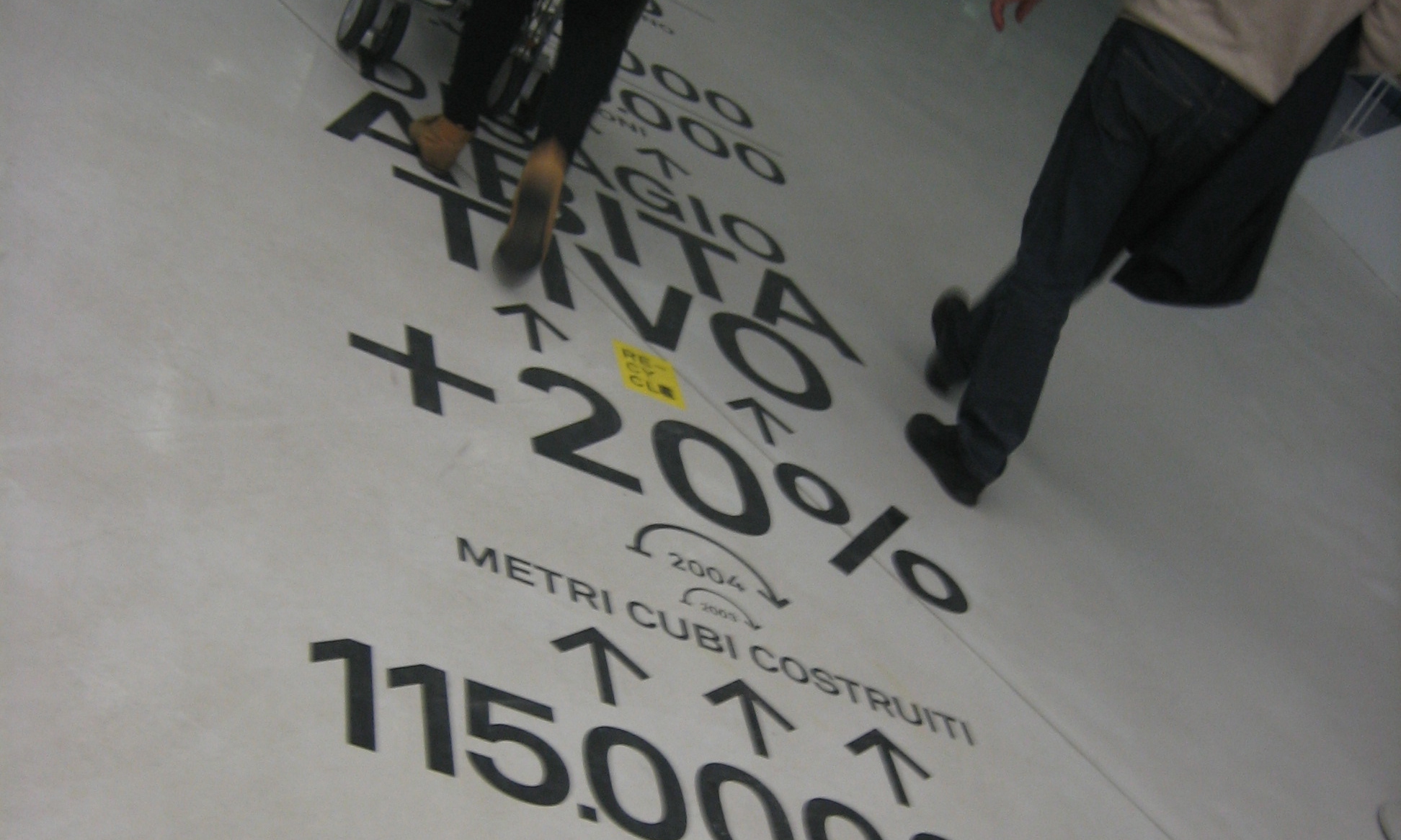
Yesterday afternoon I stopped by the MAXXI to see the exhibit “Re-CYCLE Strategies for architecture, the city and the planet”. The idea is a timely one, a show dedicated to a re-consideration of the waste our society produces. Most of the projects on display are architectural in nature, ranging from the reuse of buildings (new inserts in abandoned pigsties and farmhouses) and infrastructure (adaptation of a highway tunnel in Trento) to the use of recycled materials. Ever since the 2006 Biennale and Ricky Burdett’s Endless City project, statistics denouncing urban inequities and catastrophes have been “hot” and this show makes use of them dramatically by painting data on the floor leading the way into the exhibit. There was bitter irony in some of the statistics. Sustainable mobility? (I had just been told by the guards that MAXXI has nowhere to lock bicycles) And the wastefulness of cement (MAXXI architect Zaha Hadid’s material of choice)? Even the slick MAXXI bar continues to use and discard disposable cups; so much for “re-cycling.”
The stated intention of the exhibit is to establish a dialogue between two worlds, that of Architecture where recycling (whether it be materials, buildings, spaces, waste, or what have you) has an environmental objective, and that of Art where re-use (of Duchamp’s urinal or Warhol’s soup cans) carries meaning. This notion of “middle ground”, neither/nor rather than either/or, is also a sign of our times and I think a healthy one. Danish architect Bjarke Ingels, whose works are present in the show, writes of architecture being “entrenched between two equally unfertile fronts”, the utopian avante-garde and corporate realism, and his firm BIG “operates in the fertile ground between the two,” practicing what he calls “utopian pragmatism.” Landscape “gardener” Gilles Clemente advocates the “third landscape”, a ‘residue’ rich with biological potential between nature the landscape of man. LO-TEK works in “slash and retool” architecture, a kind of industrial bricolage. I learned a lot about these and other firms in what was, for me, one of the best parts of the exhibit: the reading area where monographs and theoretical texts are available for consultation.
The most moving component of the exhibit, not to be missed, is the photographic exhibit by Pieter Hugo entitled “Permanent Error”. This exposes the resting place of technological waste of the developed world, in places like the eerie polluted wasteland of Agbogbloshie in Ghana. If this is how our planet operates, Hugo says, it represents a kind of “system error” from which we would do well to “reboot”.
The exhibit reminded me of the (far more humble) panels I curated for the Cal Poly Rome Program last year at the Foreign Architects Rome exhibit at the Tempio di Adriano. The goal of that workshop, co-taught with architect Cinzia Abbate, was to create a sort of “Village of Alternative Consumerism,” an urban resource center or a center for material reuse. From the project brief:
Cities produce waste and consume materials and energy, but this is not necessarily “by nature”. A well-functioning city in which inherent synergies and efficiencies are maximized by design can reduce this “waste” to close to zero. Products which today become broken or obsolete are discarded when they could be repaired, reused, regenerated or as a last resort see their component materials recycled. Traditionally such activities have often been marginalized, performed by outcasts in blighted parts of cities. Rome, however, has a tradition of productive workshops in its historical center, now being rapidly forced out of existence by global economics. In an emergent green economy this work will become more appreciated and more central to a mixed use urban ecology.
I’m excited that this approach to design, more about finding solutions to complex, systematic problems using existing resources than creating new forms out of new resources, is finally taking root.
Watering the Garden

On my lunch break today I biked down to the other end of Circus Maximus and joined the folks of Occupy Rome. I’m not sure if that’s the official name; I knew of them for the urban gardening experiments (Zappatta Romana and Orti Erranti), Primavera Romana and for the activism to defend Rome’s public water supply, but the association with the global Occupy movement is self-evident. General Assembly circle, tents, a community set up respectfully of the public space it occupies, re-use and recycling throughout. This is the kind of prototype for an alternative system that my friend Douglas Rushkoff blogged about recently.
I have extreme respect for these people and want to spread the word. Visitors to Rome, residents, neighbors, drop by at mealtime and have a plate of pasta (leave a voluntary donation and wash your own dishes). Bring things that might be useful: water containers, dishes, photovoltaic cells (they have no electricity), furniture, camp stuff. Find out if there’s a way to volunteer in the garden.
Spread the word that Rome is not all tour buses and pessimistic Italians.
Biking the First Highway

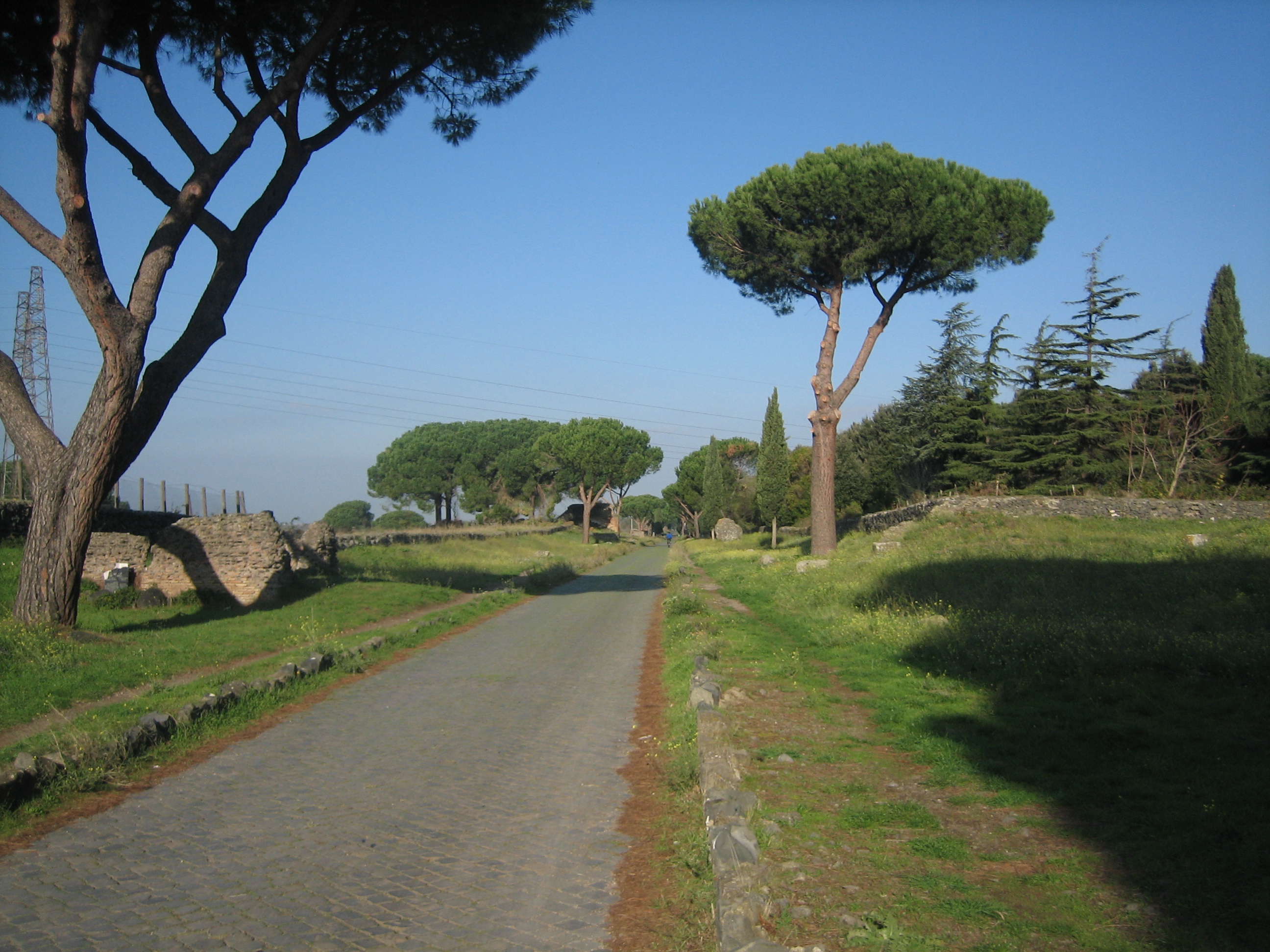
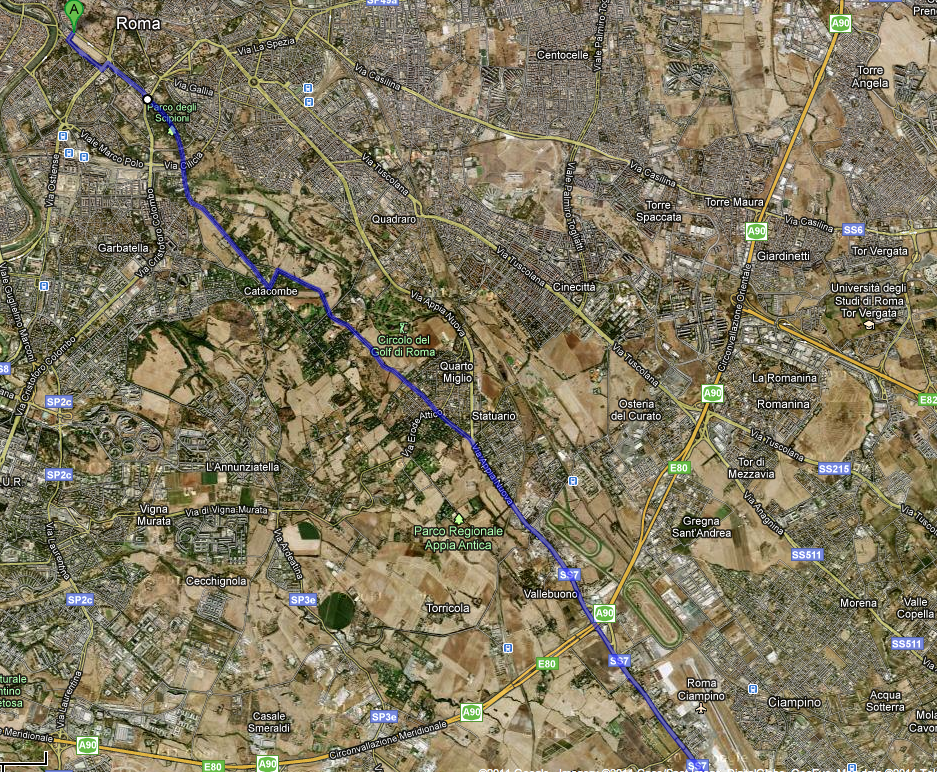
This morning I biked the Via Appia, from the Aurelian Wall out almost as far as the Castelli and then back to Circus Maximus. This was the longest ride I’ve done in a while and my legs are hurting. But what a fantastic experience. Thanks are due to Appio Claudio for making the road in the 4th century BC, for Luigi Canina for preserving it as a park in the 19th century, and to the Parco Regionale dell’Appia Antica for maintaining it today. I took travel-writer Rick Steves biking out here for his show about Rome many years back and since then have seen interest in the road and its park grow, with good reason. It’s one of Rome’s most impressive green archaeology sites.
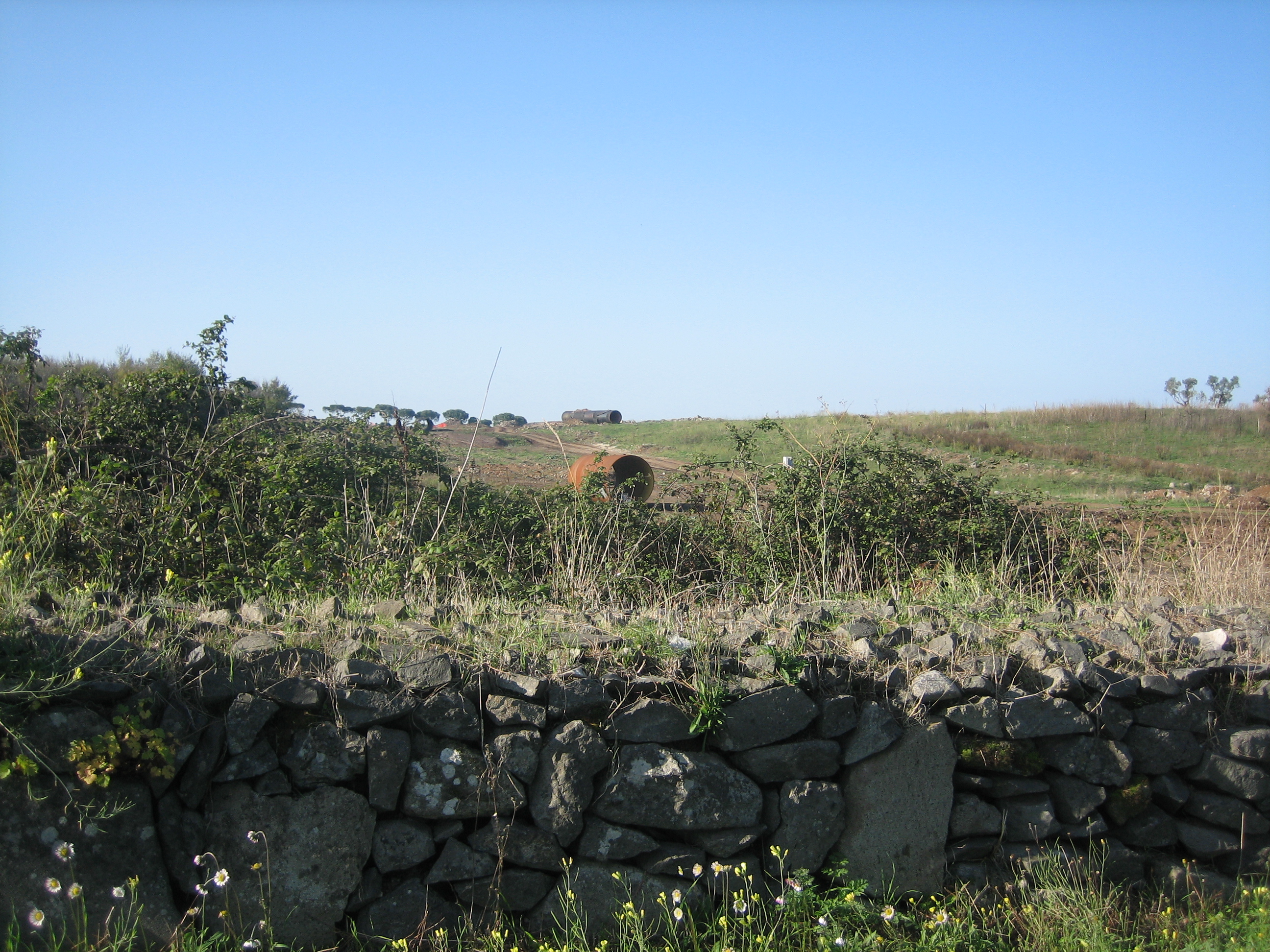
Today my goal was the Grande Raccordo Annulare, the ring road that circles the city. The last time I really explored the outer reaches of the road it was still bisected by this high-speed artery but some years back the GRA was buried to allow the ancient road to continue uninterrupted on its course towards Capua, Benevento and then Brindisi.
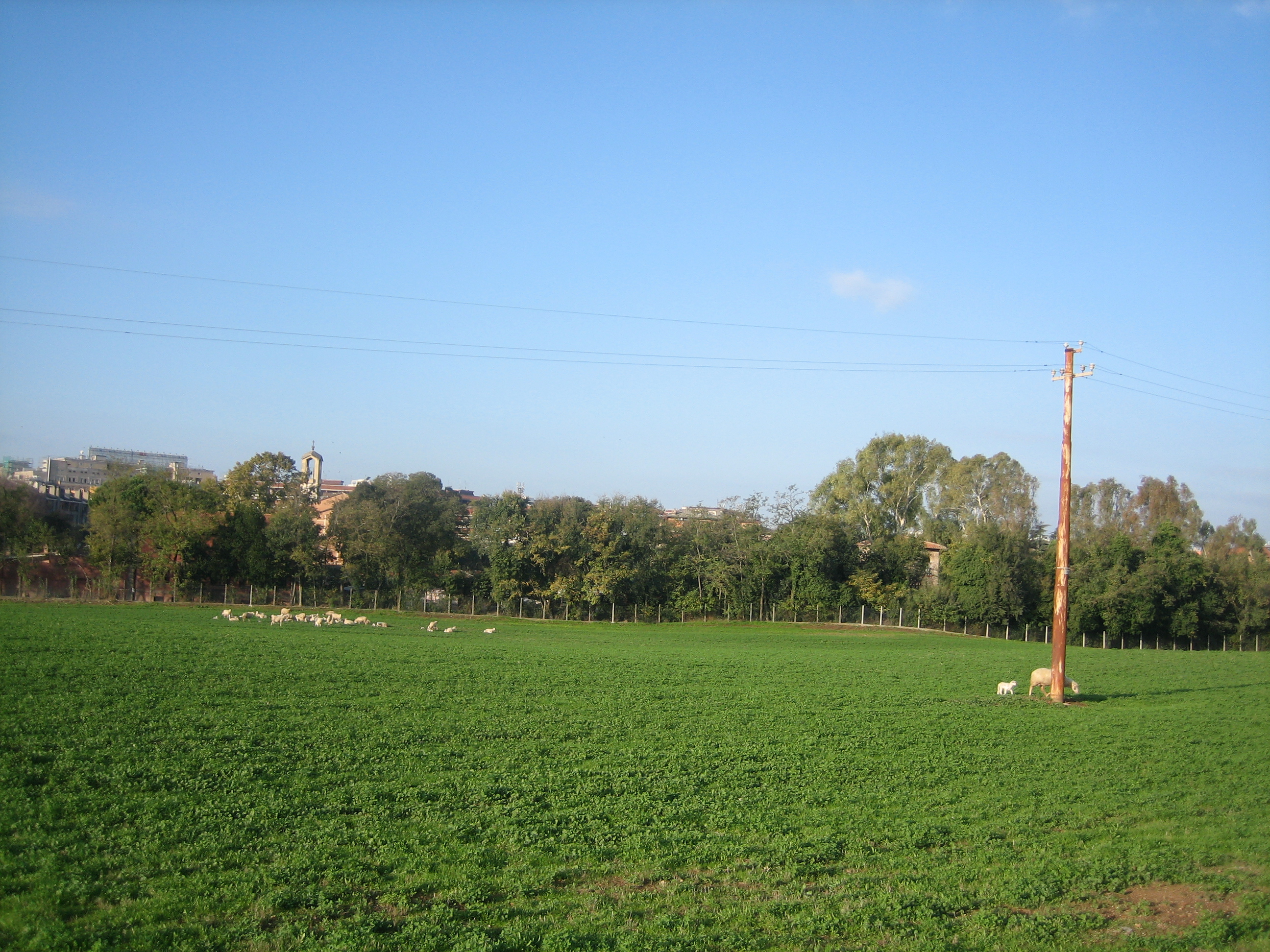
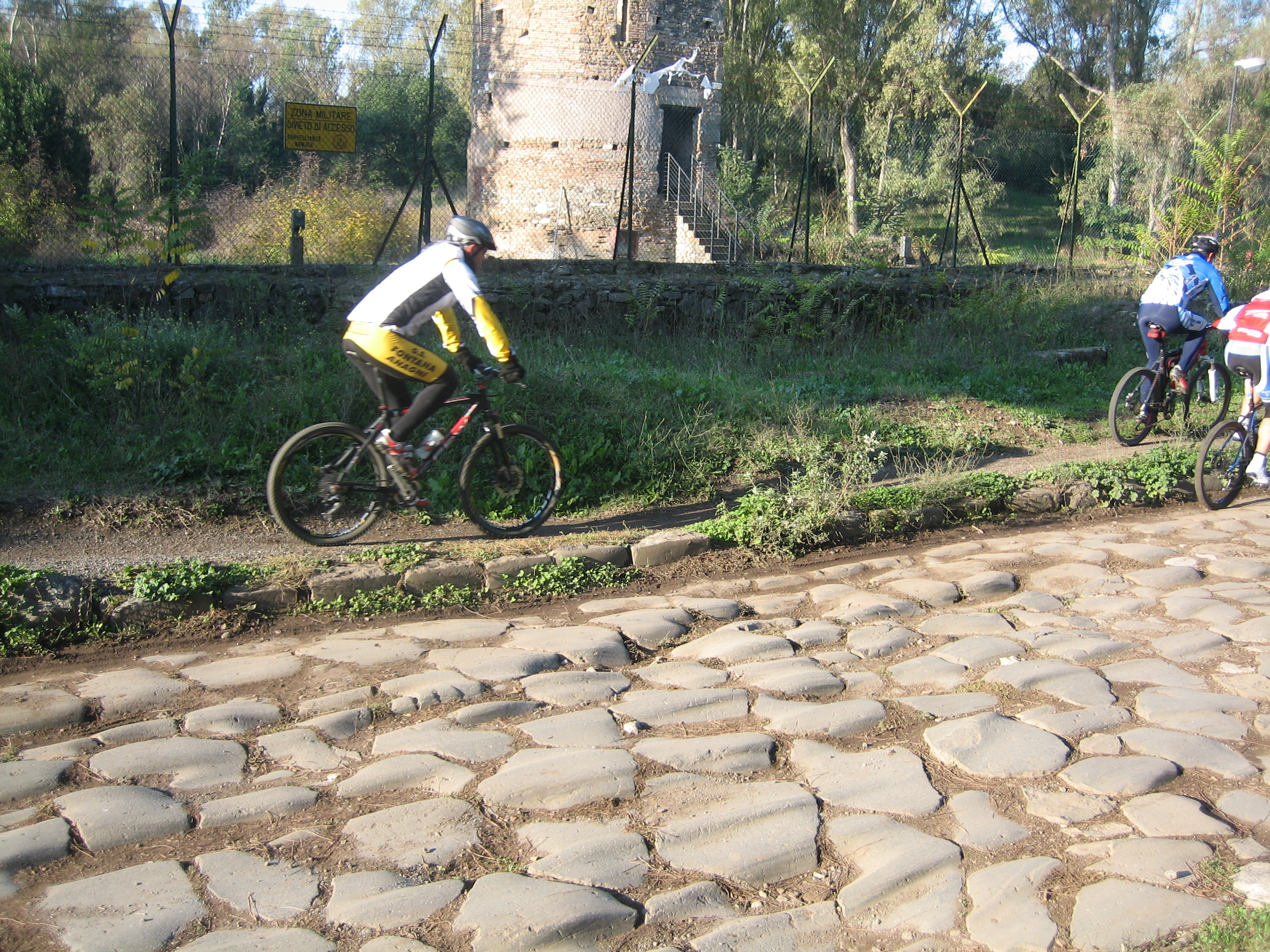
The light was fantastic and the temperature just right, chilly enough to make the effort of biking fast pay off in warmth. The first big climb after leaving the gates was a detour through the pastures above (literally) the catacombs of San Callisto, where sheep were grazing on the greenest of grass. I stopped for water and then biked on past the Mausoleum of Cecilia Metella (stopping for a coffee at the bar, which also rents bikes by the way), on to where the road gets bumpy with its ancient basalt blocks, past tombs and statuary. Other than a few other cyclists and joggers (maybe one car), it was quiet.
As I biked I reflected on how this great road paved the way (pun intended) for the network of intercity highways that spans continents today. But unlike those toxic arteries, this one is idyllic in its pastoral calm. In truth, the Appian Way was scaled for people (Roman legions) and not machines, and still today anything bigger than a bicycle is out of place on it. The Appian Way allowed occasional movement of individuals or groups across great distances, but was not made for pointless over-mobility between non-place destinations as so many motorways are today. Most trips were still local, on foot, between places well situated in dense city centers.
Reaching the Villa dei Quintilli I know I am near the GRA, my final destination, and I pedal on along what was for me unexplored terrain. And on and on. Can it really be this far? I see airplanes landing and realize I’m near Ciampino airport, which I know is farther out than the GRA. I check the GPS on my iphone. Yes, indeed, I have biked right over the multilane high-speed road, as unaware of it as most people are of the catacombs beneath the road closer to Rome. So I turn around and backtrack until the GPS tells me I am right above the highway. Now I notice the telltale signs of bulldozed earth and young trees but the road has been rebuilt pretty seamlessly where a few years ago it was severed in two. I wish the engineers had left more visible traces instead of consciously burying the modern infrastructure the way time often buries ancient infrastructure. Nearby the arches of the Acqua Appia aqueduct parade across a field above grazing sheep, a scene which says a lot about the city dweller’s need for water, food and clothing, as the ancient Roman road speaks clearly of our need for interconnection. Perhaps by burying our own roads, waterlines, sewers and other infrastructure we lose the clarity that civilizations once had. When our systems are less legible, so is their impact on our lives and our planet.
With that thought, I head back towards Circus Maximus, which I reach, exhausted, just in time to shop for produce at the weekend Farmers’ Market. Next time I’m going to make a long day of it and bike all the way to Terracina. (Anyone want to join me, comments are open below?)


Car-Free Sunday
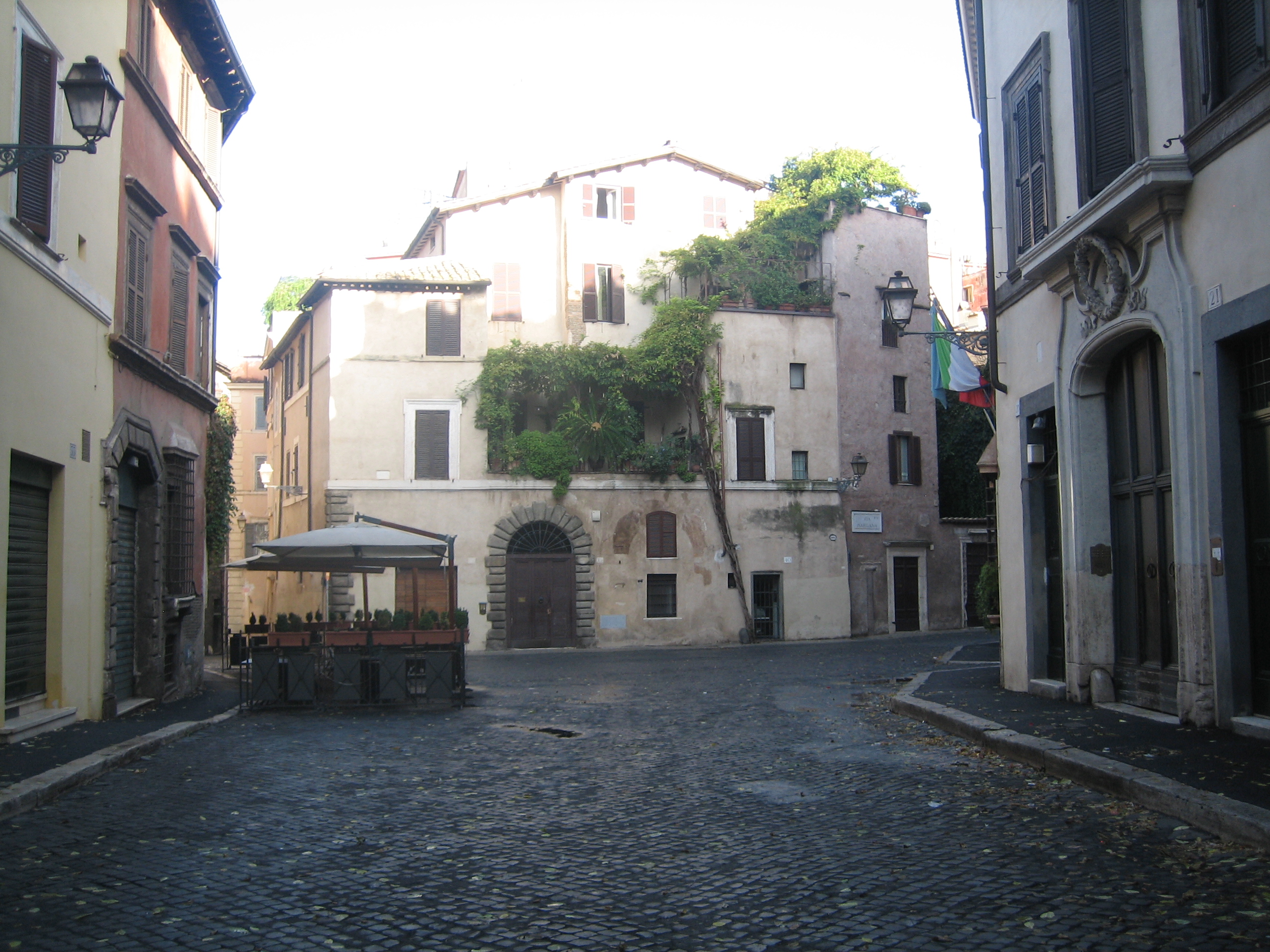
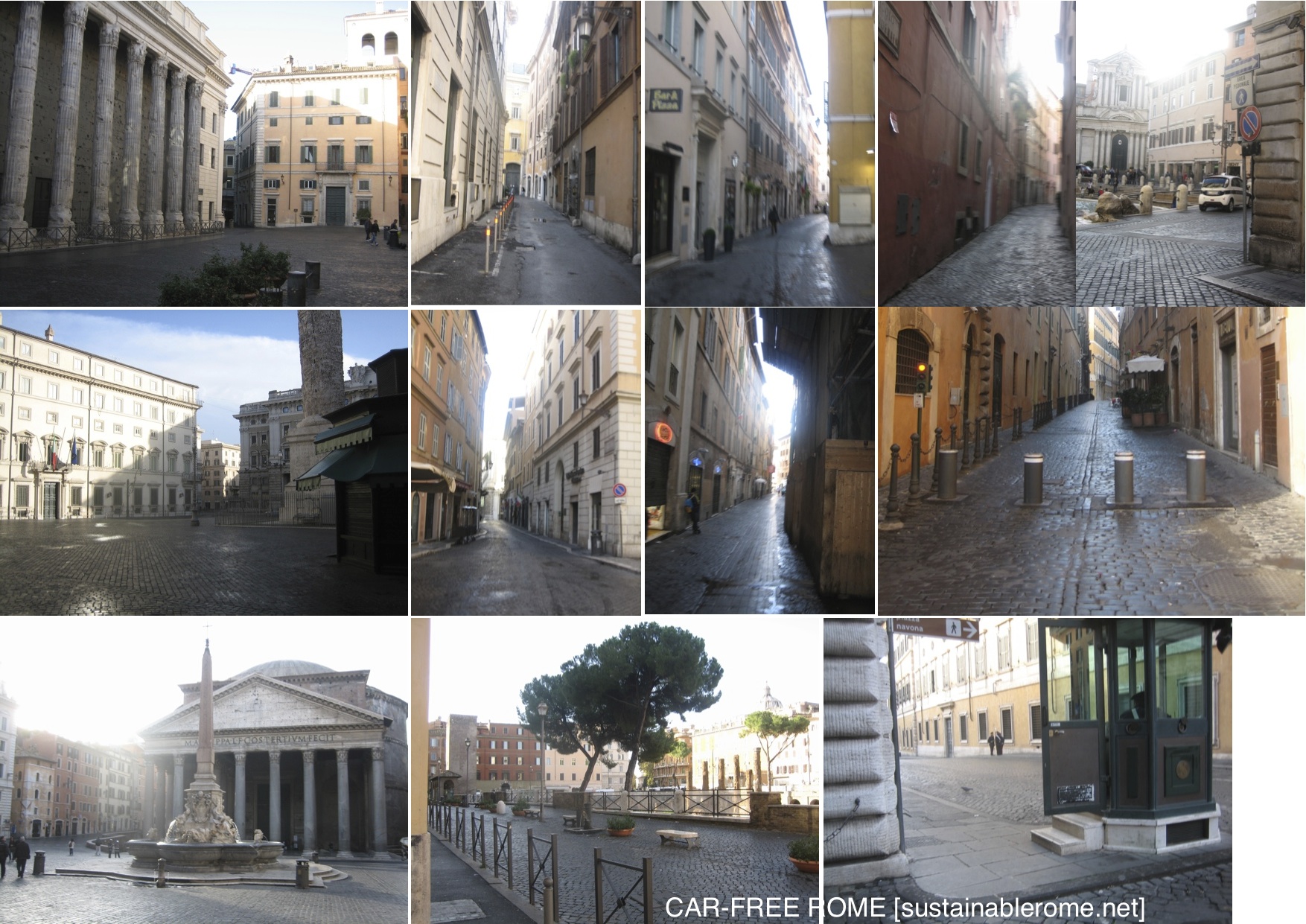
Piazza Margana, car-free most days of the week
I like to go for bike rides early Sunday morning, when the city is quiet and relatively traffic free. Biking makes me feel free and even in the usual chaos of Rome it has a calming effect, compared to waiting for a bus or, worse, searching for a parking spot.
But it conversely makes me angry because it’s hard to bike 100 meters without encountering acts of incivility, usually on the part of motorists. Even when I tell myself, again and again, that fixating on these problems doesn’t solve them, it’s really hard to practice what I preach.
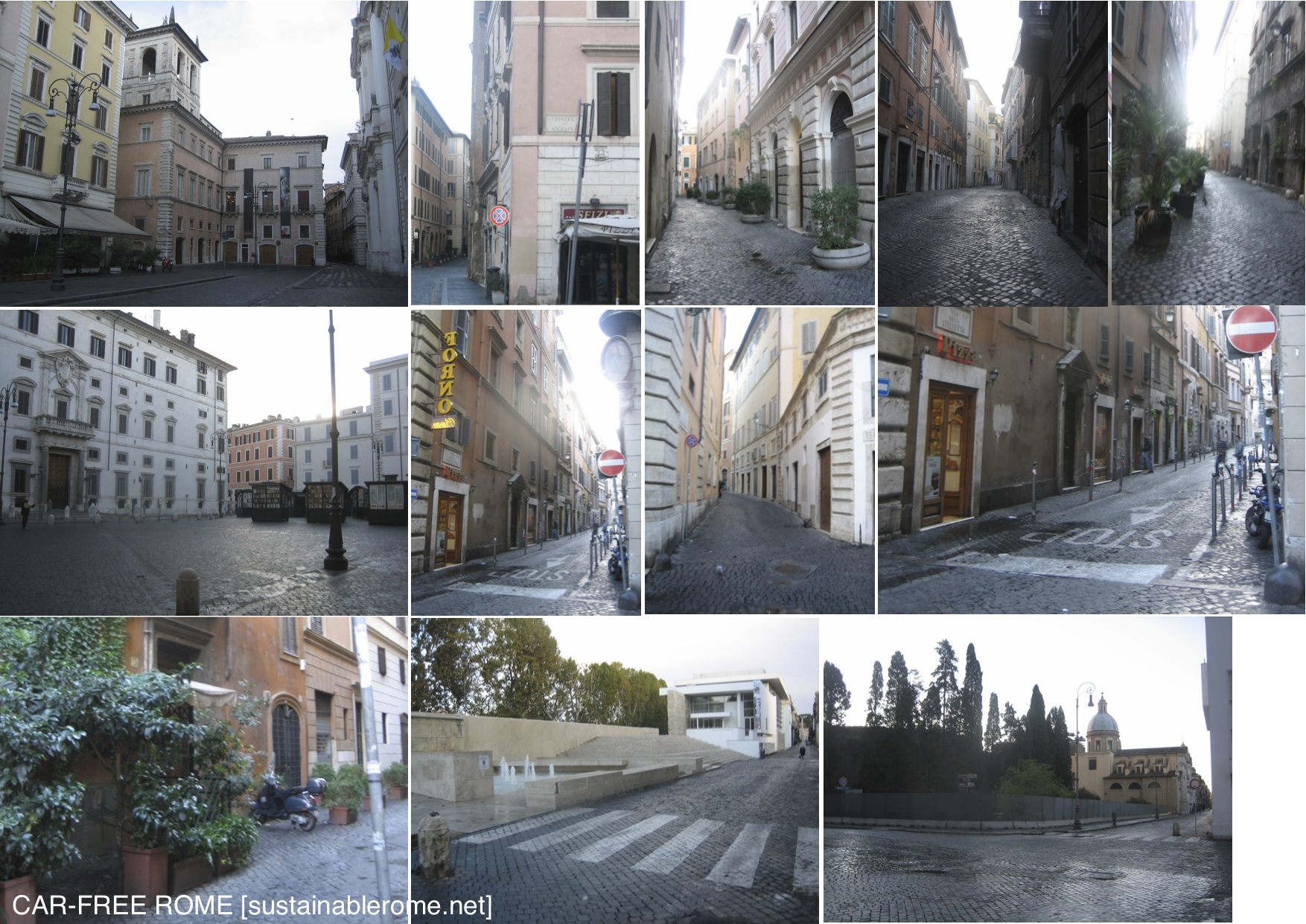
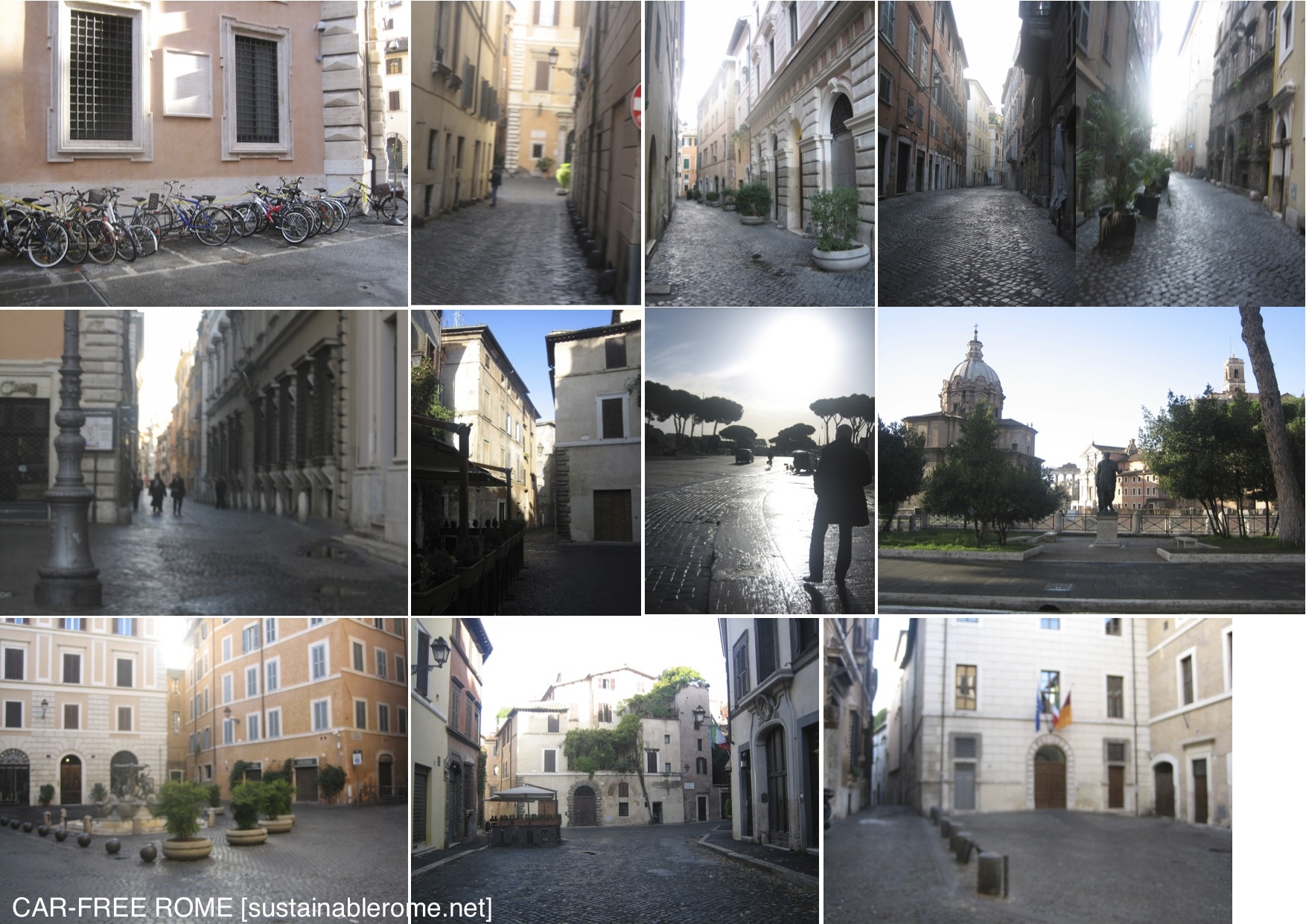
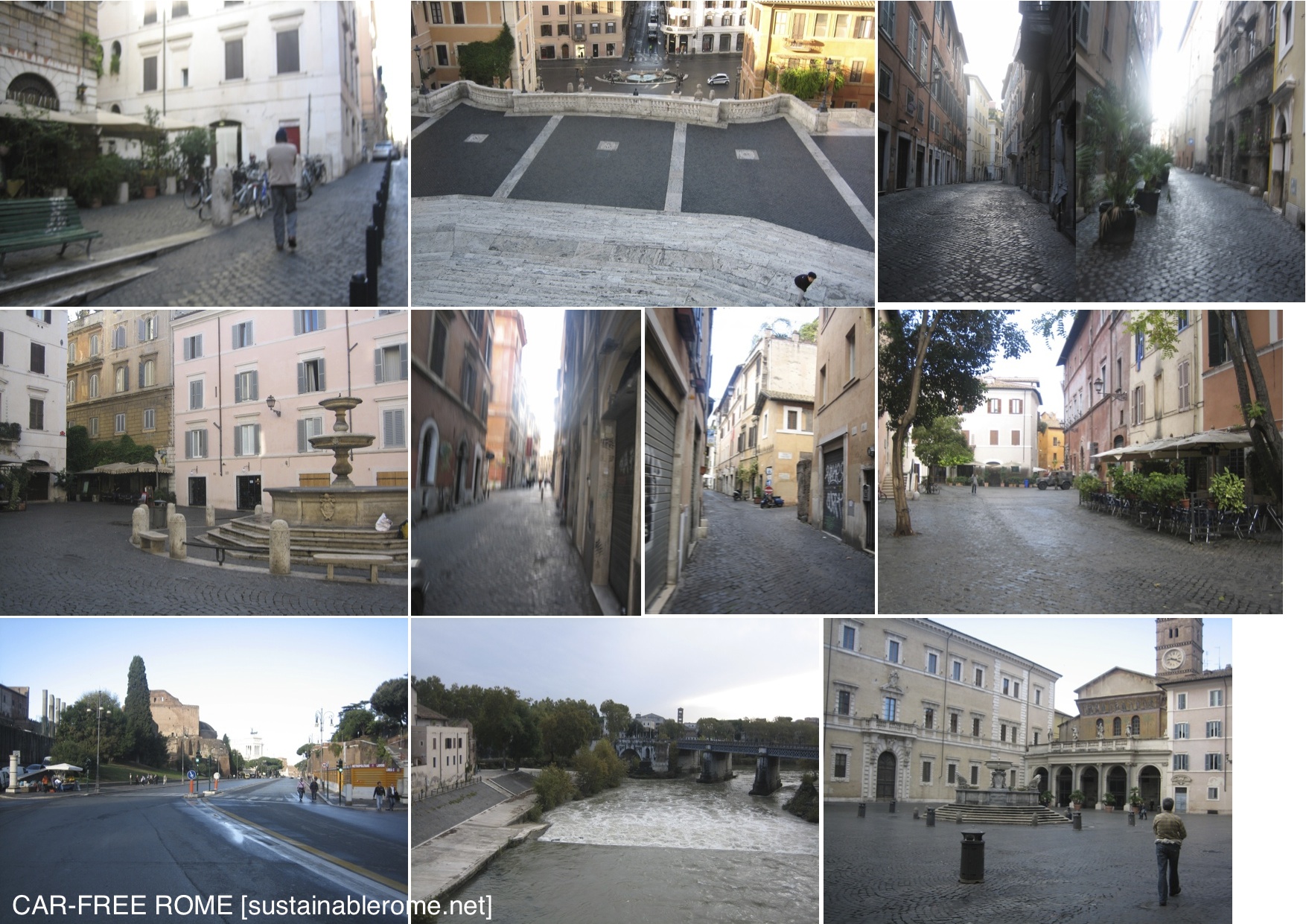
So today I went out with a goal in mind, to see past the problems to the city which persists despite them. Without really planning it, this turned into a project to photograph the city without cars. This is the opposite of what I often do, photographing the illegal presence of cars in pedestrian space to report or denounce; it turned out to be a bit more difficult. But on a Sunday morning, with shops and city offices closed, many streets and squares were pleasantly car-free. I’ve often used stills from neo-realist films in talks to show a Rome which functioned with little automotive traffic, bustling with trams, buses, bikers and pedestrians. And I’ve pointed out how certain “emergencies” such as political demonstrations or last month’s torrential rains create defacto car-free zones. But today I looked at the everyday city for glimpses of the promise of car-free urban space.
As I pedaled through the sleepy early-morning city, through Trastevere, across Ponte Sisto to Via Giulia, across to Piazza del Orologio and northward to Piazza del Popolo, I kept my eyes peeled for any vista which could be captured devoid of automobiles. It became a sort of game. Was there a vantage point from which Piazza Fontanella Borghese really was a pedestrian space (as the posted signs indicate)? Could I frame a view of the Pantheon with no cars (with some creative use of the fountain to mask the souvenir truck)? I was not going to fall back on photoshop (that’s another project).
Sadly, it would have been much easier to capture views of incivility; cars parked on sidewalks, in pedestrian zones, blocking wheelchair ramps, etc. etc. There’s no challenge in uncovering such violations, so rampant in Rome to have become boring. Some streets that I had assumed I could photograph, such as Via Margutta or Via Condotti, were cluttered with cars. But Piazza del Popolo lived up to its claim as car-free, as did much of the Villa Borghese park. Piazza di Spagna and the Trevi Fountain were almost car-free, except the presence of police cars (no comment). Many squares outside government offices, usually cluttered with illegally parked cars (guess whose), were empty on Sunday morning.
I ended my ride at Via dei Fori Imperiali, the grand traffic artery which is closed to cars every Sunday from 9:00 am. The city was starting to wake up which meant engine noise, whizzing cars, angry drivers who slipped onto the Fori Imperiali just before the barricades went up honking as they sped through the pedestrian zone towards the Colosseum. Roma, you gotta love it.
Back in the studio I assembled my photos. Given the time of day there are few people in the shots, so the image is a bit post-apocalyptic, but imagine this city with residents and tourists, bikers, children, seniors, all strolling or cycling safely through the quiet streets, breathing clean air. If you can envision it, it can happen.

Policing the Streets on Two Feet or Two Wheels
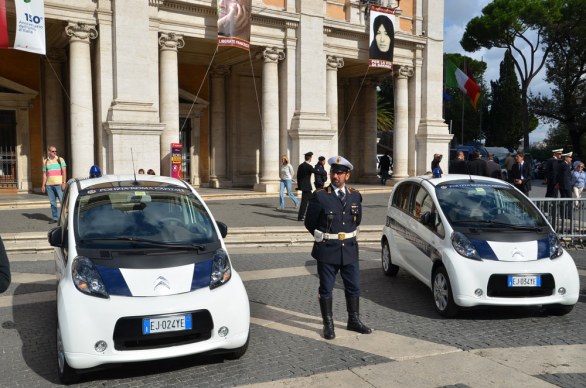
New "green" police cars in the pedestrian-only zone on the Campidoglio (foto: da RondoneR, 06blog.it)
Yesterday the city purchased 14 new electric police cars as part of its sustainable mobility initiative. Interesting, and perhaps a step in the right direction. But from a practical point of view I have to ask if this is the best use of limited city funds. I haven’t been able to find data on the cost but these things are not cheap. Perhaps Citroen offered a good deal in exchange for being allowed to use the pedestrian zone outside the Mausoleum of Augustus in Rome’s historical center as their auto showroom this week. The same day the city was shut down by a couple of hours of rain because the drains hadn’t been cleaned out and the streets are constantly clogged with cars and debris, it didn’t seem wise to announce new expenditures on more police cars. After all, they’ll just be stuck in the traffic with everyone else.
Why not send out foot patrols instead, or at most invest 1/10th of the money in 10 times as many bicycles? Not only would the police be much more mobile, able to respond more quickly to calls, they would be more prone to deal with the many problems faced by citizens. Instead of driving past the car on the crosswalk, ignoring the citizens trapped behind it, they might actually fine and tow. Instead of risking injury to pedestrians by piloting tons of metal through crowded streets they would move safely among them.
Google the words “bicycle police” followed by any city in the world and you will most likely come up with images of an efficient modern police force using cheap, high-tech, green transportation. When will these images pop up for Rome?
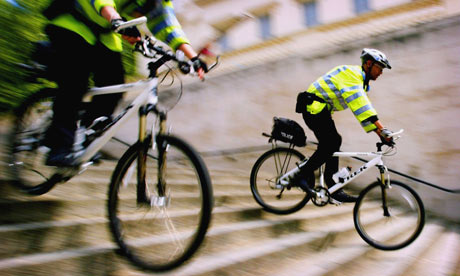
London Police
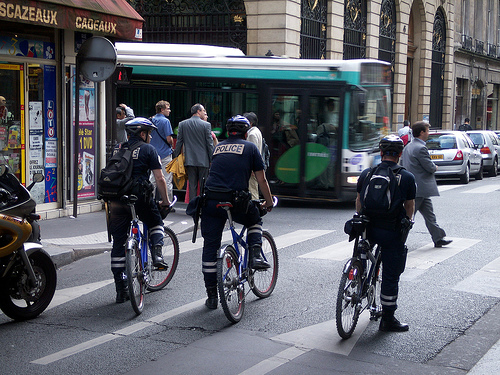
Paris Police

Barcelona Police
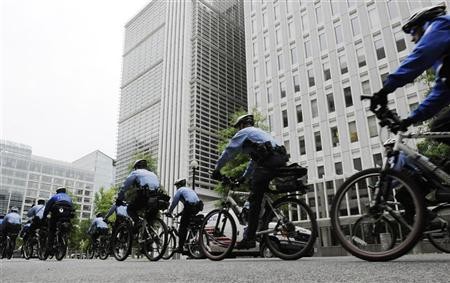
Washington Police
* (A special thanks to the Rome-based blog 06blog.it for reminding me to credit their image above. I almost always use my own photos but got lazy this time. Also, my apologies to the authors of the little photos above which I quickly pulled off of a variety of websites without thinking to note the source; if it’s a problem I’ll replace them with ones I can cite)
Cities and their Piazze: Boston, New York, Rome
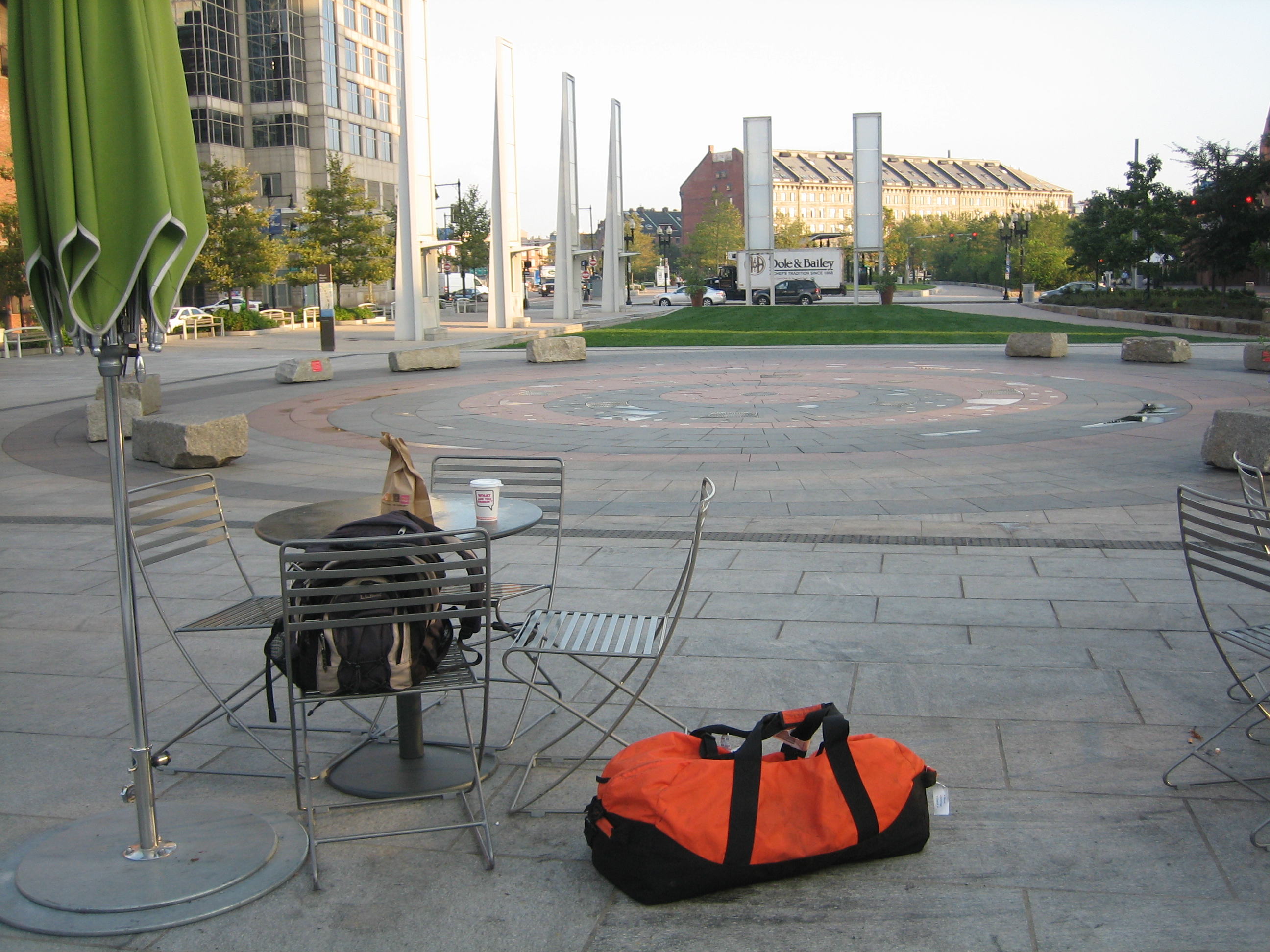
Boston's Greenway, complete with free cafe tables and public wifi
The third and last entry in this series addresses three of the cities where citizens are calling for change.
Boston, my former home town, was the last American city on my itinerary in September. New York, I didn’t actually visit this time but I’ve been there in spirit, supporting the Occupy Wall Street movement from afar. And Rome, my current home town and focus of this blog, was this weekend the scene of some of the most extreme protests to date in the global uprising against the old, broken economy. (For my commentary on this, read to the end of the inexcusably-long post.)
I arrived in Boston’s Logan Airport from Chicago in the wee hours of the morning. Not wanting to drive over an hour to my dad’s, only to return to the city where I had business to do, I decided to catch a few hours of sleep in the airport and then head into Boston at daybreak. Quite a few people were sleeping at the airport that night, and I wondered if these great structures, designed to attract and impress the global business traveller especially in the era of cheap energy may end up providing shelter for the multitude, like the Colosseum after its abandonment as a venue for “games”.
Boston is rich with such public spaces, many relatively kitsch like the lobbies of 80s office buildings or touristio-commercial Bostoniana theme zones (Quincy Market, Freedom Trail, etc.) but others are just beautiful. In the early morning I freshened up in the (clean and modern) airport rest room, took the (efficient) Silver Line (Bus Rapid Transit) downtown, and strolled out to the end of Aquarium Wharf to watch the sailboats and seagulls (and seals, visible under a beautiful new roof structure in the pool of the Boston Aquarium). Then, after picking up a coffee and pastry, I had breakfast at a free, public cafe’ table provided by the city in the newly landscaped Rose Fitzgerald Kennedy Greenway. I used my laptop to read the news, check email, and skype my family in Italy, thanks to the free public wifi network. I even got to witness something I rarely see in Rome, one of the few cars I saw, an SUV that briefly parked in a tow-away zone, was loaded onto a tow-truck and removed. And all of this urban splendor part of our collective wealth.
In the past week, I’ve followed from afar the Occupy Boston movement which has camped out in this same Greenway and then been evicted. While I hope the demonstrators (and the police) have been careful custodians of the public space, I think such uses are just fine. After all, common space serves everyone, encouraging the kind of messy but transformational action that brings about lasting change. This was true in the Roman Forum of the late Republic, before security forces started substituting it with the more controllable Imperial Fora. It was true in the medieval market squares before Renaissance princes began enforcing their monopolistic control. Today it occasionally seems that the only public forums left are virtual ones, omnipresent social-media where we can decide who to expose ourselves to and who to filter out, leaving physical places as pretty places for office workers to eat their salads. But history (and writers like Hannah Arendt) shows that the “piazza” is always the best place of resistance.
A few days after Boston, in Barcelona with my students, I led a walk through the Raval neighborhood teeming with immigrants and their informal economy, phone-centers, prostitution and drug-trade. When, just after walking through the middle of a drug bust, we emerged onto the Rambla del Raval, we watched a group of “suits” in front of the new 5-star hotel. Were they bank managers discussing foreclosures or new real-estate ventures? Were they involved in the global pharmaceutical market, or petroleum companies, or maybe the arms trade? Of course we were only guessing, but someone asked, with reference to the drug-bust across the street, how we knew who the real criminals were here and suggested that, yes, the guys in suits might well be responsible for far greater crimes but at a distance, cloaked in protective layers so that even they themselves might not be aware of their heinous effects.
The great thing about the “piazza” is that it makes you ask these questions. While on Facebook you are unlikely to see a homeless person unless you are homeless yourself, in the piazza it’s hard to pretend that everything is okay when it’s not. This is why the work being done by the Occupy Wall Street participants is so inspiring and useful; “making legible the obscure” as Saskia Sassen puts it. I don’t really blame the bankers and brokers for playing the game, getting rich, and insulating themselves from even recognizing the negative effects of the game. The old economic system (and the commercial media that was its mouthpiece) was biased toward this kind of ignorance. Now, thanks to Web 2.0 and the “piazza”, the game is changing and many of those same bankers and brokers to their credit are starting to realize that their actions have consequences beyond their own bonuses and purchasing power.
In Rome, the Occupy movement targeted the Bank of Italy on via Nazionale with peaceful and festive protests for a few days, camping out on the steps of the Palazzo degli Esposizioni across the street. As always, the police response created tension, blocking streets and sidewalks, presenting tourists to Rome with a picture of hostility which appeared ridiculous next to the small and highly creative group of demonstrators. Sadly, the exhibition hall, in the past a venue for many interesting shows, instead of welcoming the movement as a truly contemporary expression, a grassroots affirmation of culture in the face of profiteering, opted to shut its doors and turn its back on the movement.
On Saturday, as traditional media were happy to report, violence broke out on the streets of Rome. As we know, sensationalism sells and reports of rioting translated into millions of hits on the news sites, where pictures of burning cars and smashed windows shared screen space with ads for new cars and banks and consumer products. When this happens it’s hard not to question where the responsibility lies.
- Is this really the outcome of pure pent-up rage? The anger is understandable, but I thought those demonstrating were smarter and would avoid falling into the trap of spiraling violence which always plays right into the hand of the forces of repression.
- Or is this violence perhaps instigated by those very forces of repression? Our gut response to such a suggestion–”come on, don’t be ridiculous”, or, in Italian, “ma, ti pare?”– goes a long way toward explaining just why it would be so effective. Burn a few cars and beat a few underpaid cops and you 1. discredit what is starting to emerge as a truly global uprising on the part of 99% of humanity, (no, not just a few hippies) 2. justify, in the name of public safety, repression of free-expression by those 99% and 3. give a boost to the media and the advertising which now pays its bills. The violence that broke out in Rome this weekend is typical of the old economy where destruction of property, just like wars, diseases and natural disasters, actually show up on balance sheets as positive events because they increase consumption and spending.
Most likely what transpired was a combination of raw, ignorant anger and calculated infiltration. Fortunately, in today’s piazza and today’s network the truth tends to surface.
Rome, Chicago, Barcelona
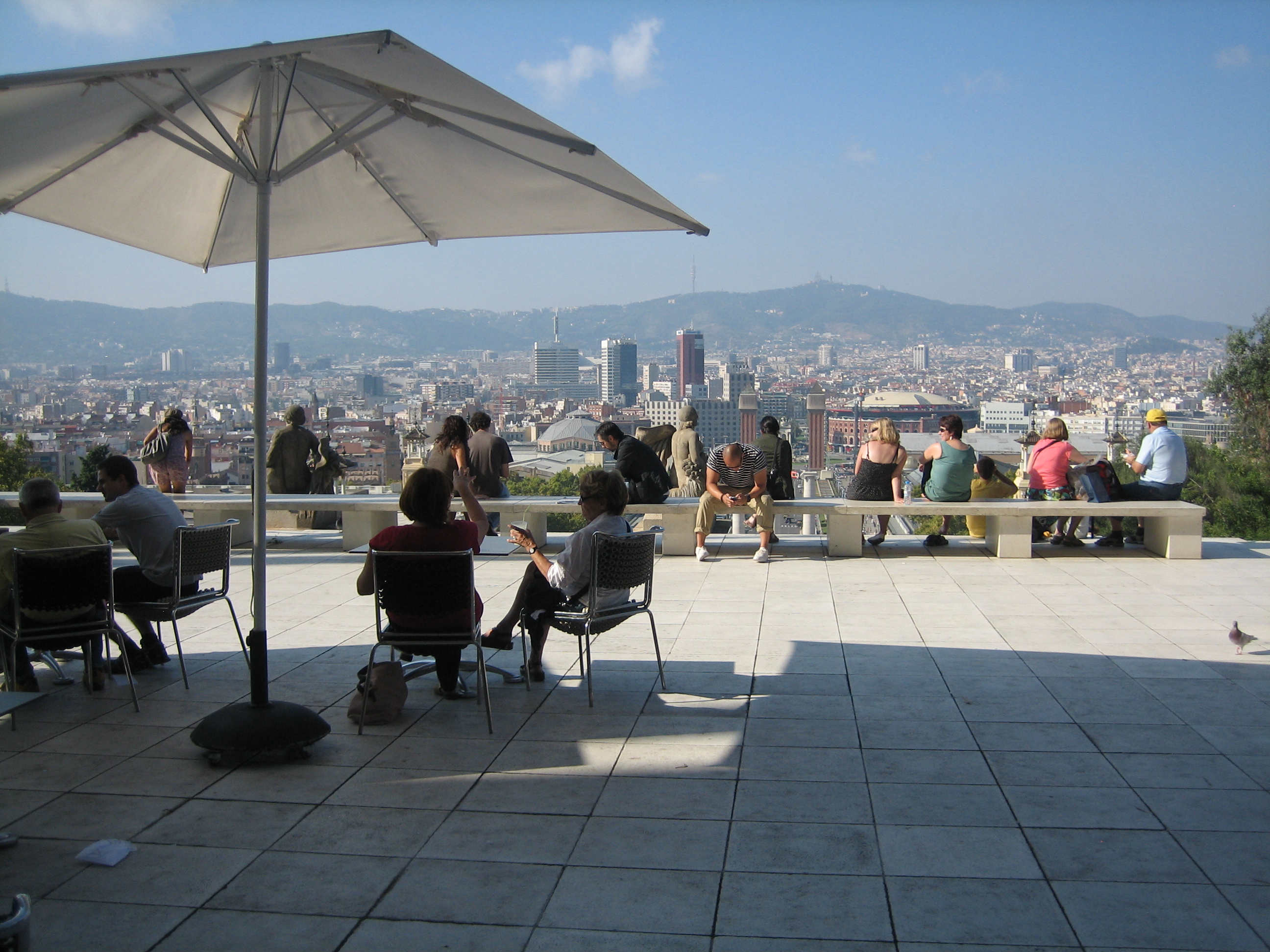
Barcelona skyline from Montjuic
Yes I know that reads like a shopping bag from a fashion boutique but …I’ve been travelling recently. A lot. Here’s part two of my observations.
I learned in Barcelona that in the early 20th century as the city expanded into the Eixample there was a great interest in the Chicago school of modernism, while in Chicago, with the “greening of the city” projects I saw great interest in European models of transit-oriented development and sustainable urbanism, such as Barcelona’s last few decades. Both cities grew around big events like the 1893 Chicago World Fair and the one in Barcelona in 1929 (as well as the 1992 Olympics there). Both cities strive to be cutting edge while leveraging their particular cultural heritage.
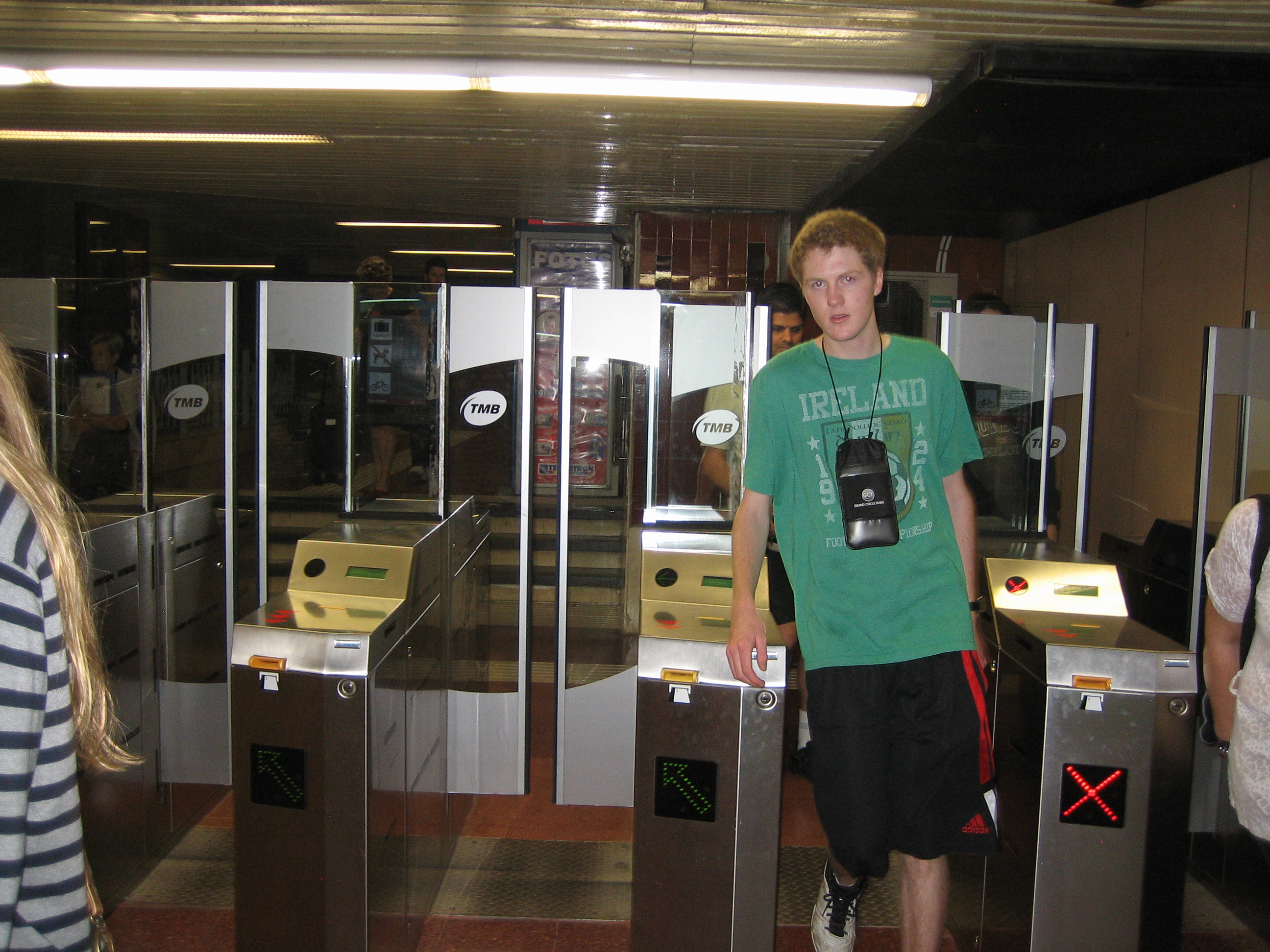
At the Chicago Architecture Foundation and exhibit of ideas for a greener Chicago included a John Ronan’s ingenious scheme for modernizing the “L” with a new suspended Mag-Lev rail system. In Barcelona I rode the new metro and tram lines which leap-frogged the technology of late 19th century cities like Chicago or New York, creating smart late 20th century transit solutions. And returning to Rome, well, I can only get to work on finding the best solution that will leap-frog both the 19th and 20th centuries. The good news is that Rome doesn’t really have a decaying transit infrastructure (just a couple of Metro lines, a few more trams and a web of buses stuck in a sea of private cars.) Despite what people say there is no structural or archaeological impediment to introducing smart transit to Rome. Solutions are possible, and cities like Chicago and Barcelona provide inspiration and ideas.
Both Chicago and Barcelona also boast great bike-sharing programs. Will Rome reactivate its own bike-sharing any time soon? Please.
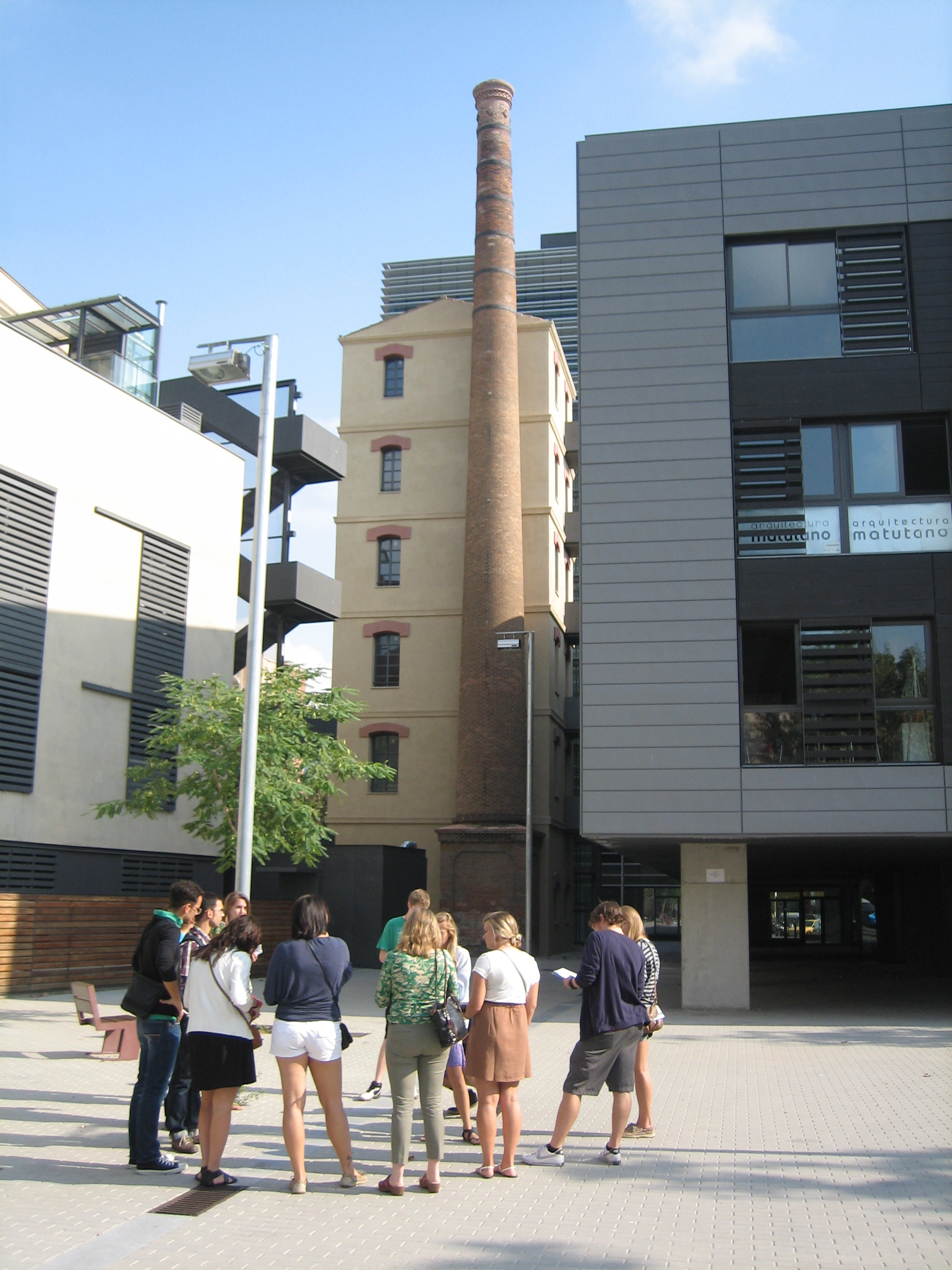
Both Chicago and Rome have active civic organizations which help disseminate information about contemporary projects: the Chicago Architecture Foundation famous for its tours, exhibits, talks and other events, and CCCB (the Barcelona Center for Contemporary Catalan Culture) famous for its facilities next door to Meier’s MACBA museum but also for the neighborhood walks they organize. My students were lucky to attend a fascinating walk of the Poblenou neighborhood where the high-tech 22@ project is underway. While Rome has hundreds of grass-root organizations, it lacks one clear, efficient point of reference for urban design and architectural culture.
Years ago when I founded Scala Reale Architectural Itineraries (an idea now carried forward by Context), I was especially inspired by the architectural walking tours I had taken in Chicago. It’s wonderful how occasionally traveling and then coming back to Rome inspires.
On the Road

Jean Nouvel's Guthrie Theater next to the Mill Museum
Minneapolis | Chicago | Boston | Barcelona | Rome | New York
Yes I know that reads like a shopping bag from a fashion boutique but it’s the life I live. I’ve been travelling recently. A lot. I’ve been burning up jet fuel refined from ancient sunlight and, other than feeling guilty, not doing anything concrete to offset my carbon. So in order to at least make the most of such travel, before my experiences fade and my insights get lost, I’ve decided to send out a series of rapid fire blog posts, one inspired by each city that has touched me of late. Here we go.
Minneapolis
I was invited by the University of Minnesota, whose architecture students I teach in Rome, to give a series of talks recently so I spent 3 days in the Twin Cities (well, in Minneapolis for the most part). I had no preconceptions apart from images from Prairie Home Companion. Just a list of people to meet and buildings to see and an open mind.
My arrival from Rome coincided with the execution of Troy Davis in Georgia, making me feel that I had touched down in a barbaric wild west, but pleased to learn that Minnesota has no death penalty. In fact, I found a very civilized city, one undergoing a healthy transition.
I saw the construction of new light rail lines and experienced the efficiency of those already in place (ironically connecting the center to America’s largest shopping mall!)
I used the NiceBike sharing system and discovered that Minneapolis is a biker’s paradise, with cycle routes everywhere from downtown to the parks, lakes and waterways. I learned that thanks goes to an active community of cycling advocates, and I collected at the Hub Bike Coop a bunch of brochures about cycling tours, inspiring me to reactivate the Rome bike tours I use to run in the days of Scala Reale.
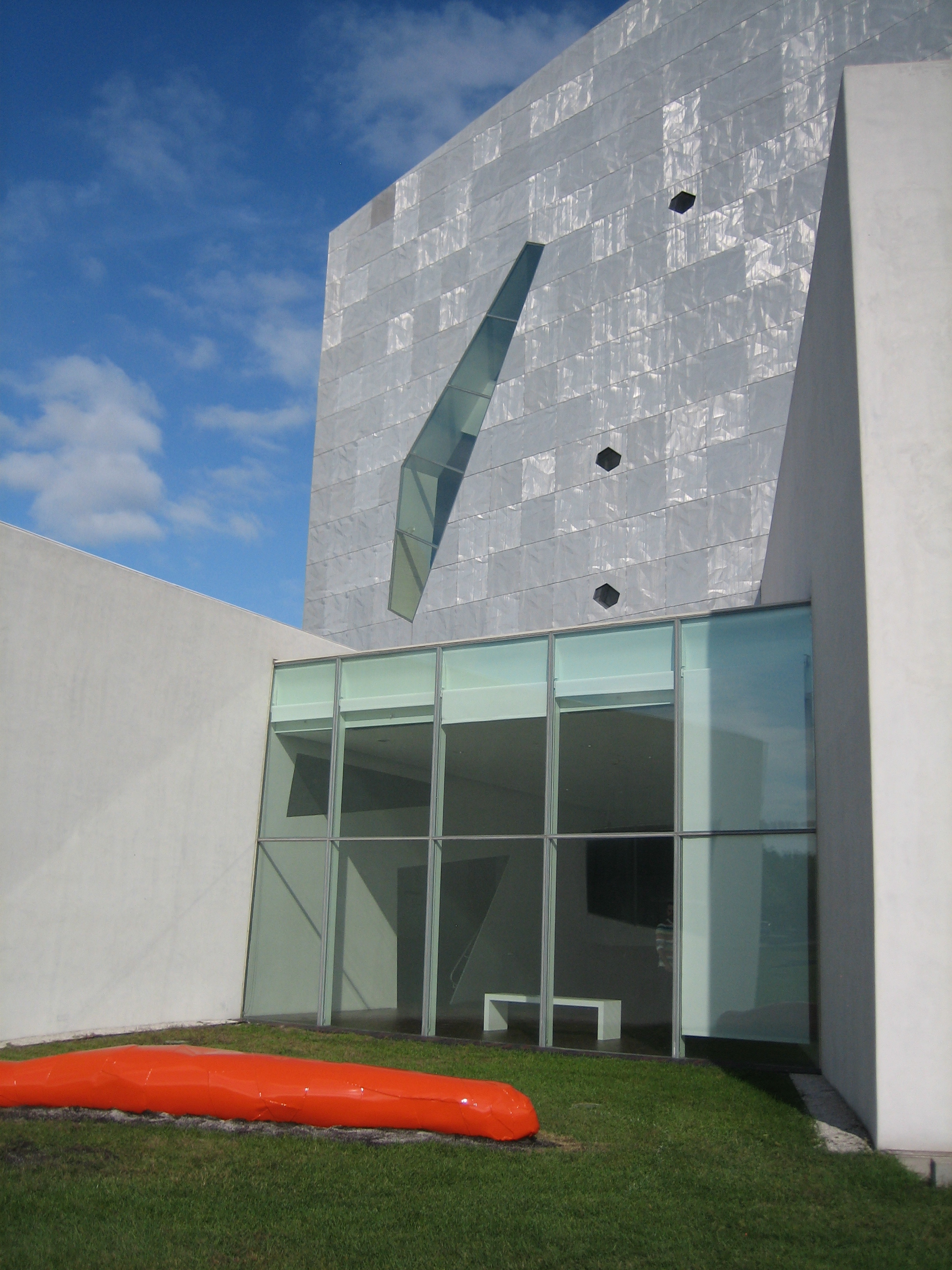
De Meuron's Addition to the Walker Art Museum
I visited a great museum, the Walker, with the strong addition by Herzog and De Meuron to the strong original volume by Larrabee Barnes. And I found in the revitalized mills around Guthrie Theatre an inspiration for any city with underused industrial infrastructure, such as Rome’s Ostiense neighborhood. Oh, and I forgot to mention the Mississippi, what an amazing river.
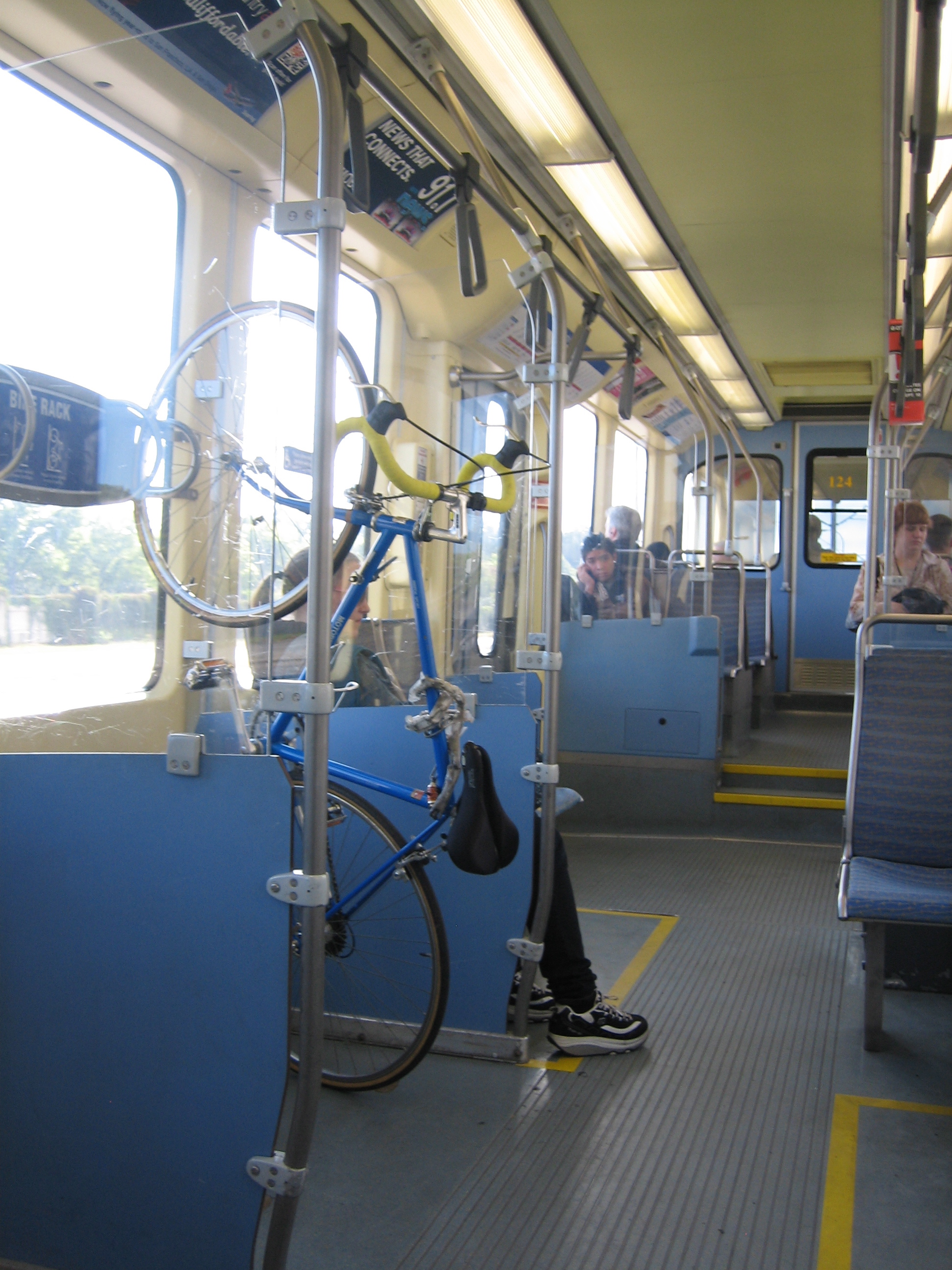
Bikes on light rail in MinneapolisHerzog and
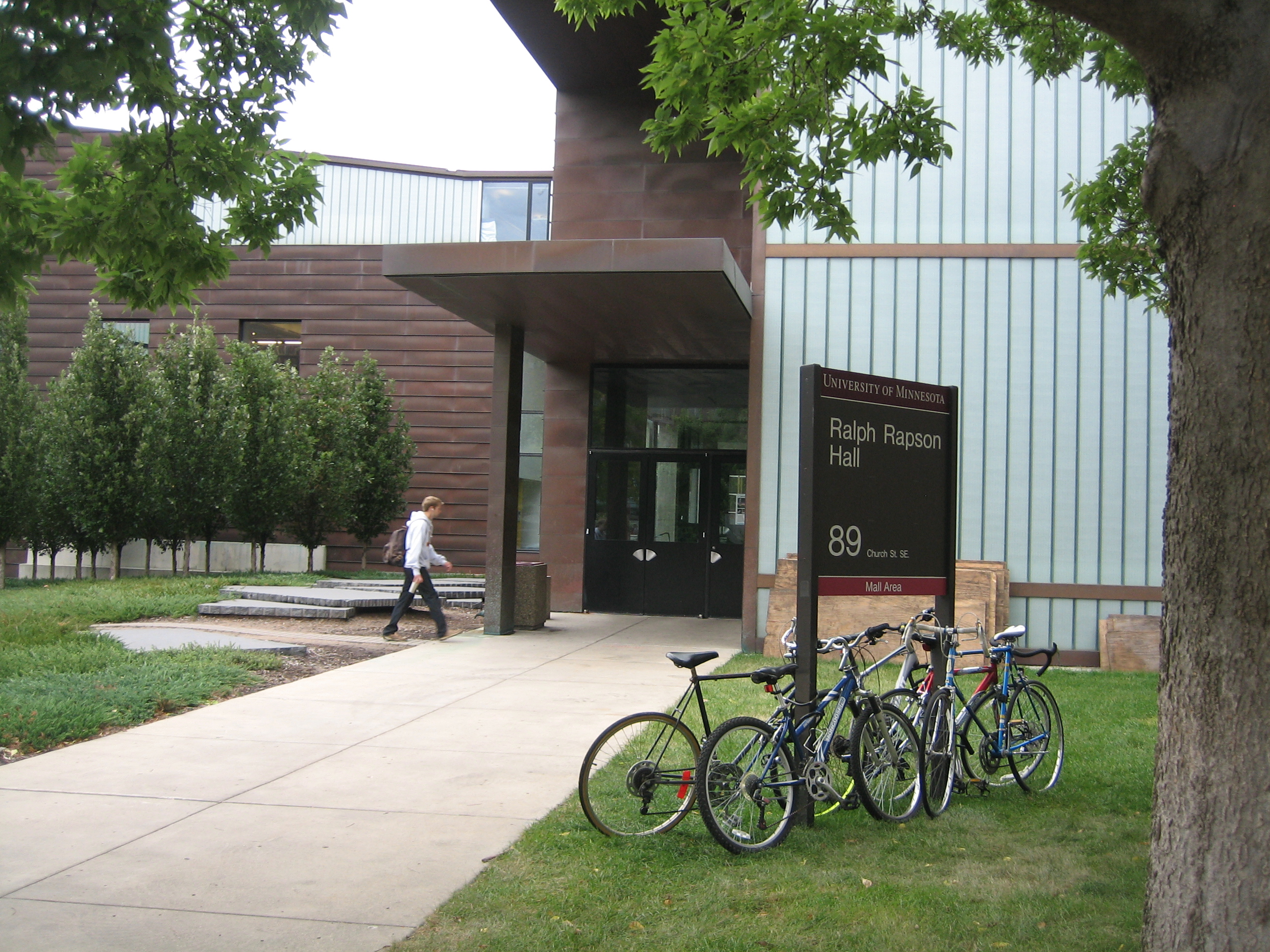
Rapson Hall, Stephen Holl Addition
From Bali to Rome, a wacky global green experiment
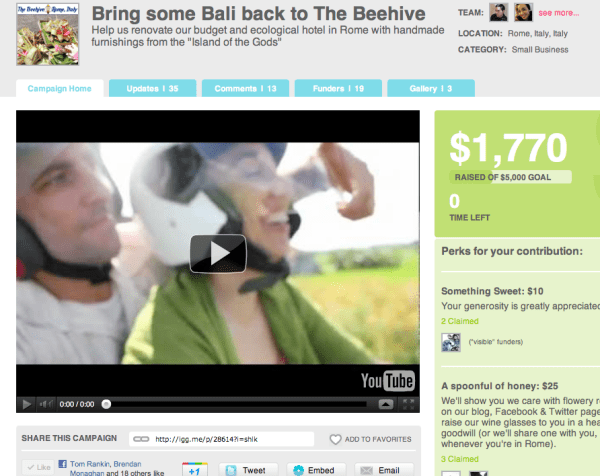
I talked with Steve (via email and in person) a while back and asked him a few questions about this project and, more in general, about his experience in Italy.
Both Rome and Bali are “foreign” cultures to you. How did you feel received by them as an outsider, and what challenges did you face in adapting? What were some key differences?
A few thoughts jump to mind. One is that Bali is much more efficient than Italy, which is very disturbing. My neighbors in the village I live have a dirt floor and no running water, but I can get things done faster here and there is more openness and transparency about what drives commerce and motivates people. As with most places in the world, people want to work and get things done and when they find opportunities where they can do so, the natural progression is to perfect the system so that it’s easier to get product to market, and person to market, and make the exchange between the buyer and seller. In Italy, this basic principle of commerce is always overcomplicated by government and as a result (or maybe as the cause) the culture doesn’t really understand how to integrate commerce into life. I was often baffled to see the small shop selling doodads in Rome still open after 10 years with no customers – and yet, no ambition to change with the times, modernize, try and understand what people want and deliver it to them. Or when my attempts to give business to someone only to find my inquiries are a disturbance. Sometimes in Italy it is clear that people don’t want to work. Most Italians, when it comes to manual labor jobs, or things that are just sort of ‘messy’, will suggest you find a few polacchi who are willing to do it for you. Statistics I’ve seen shows that there is plenty of opportunity in Italy (just as much as Italians believe there is in America) but that they are unwilling to move to a different city to get it or unwilling to perform the tasks requested. I think it’s great that Italy is not entirely driven by a need to get ahead and produce and accumulate wealth, but it’s always seemed silly to me that people who are clearly in business for themselves can’t be bothered to ‘do business’. And then to hear young Italians complain about how little opportunity there is for them shows how little they really understand the cause of their predicament. There isn’t more opportunity elsewhere – there is more willingness. To protect those that are unwilling to do things, under the disguise of nationalism, is really the wrong message to those who do want to do things – even if they are on the other side of the world.
As for being received, Bali is a place where the westerner has no anonymity. We have expat friends who have lived here for decades and will never be treated as a local. Their children will never be Balinese. The Balinese are very tribal and they put up a wall between you and them culturally. They are very amiable and friendly, but it’s on a very superficial level. I’ve always felt accepted in italy – sometimes to point where they don’t consider me the extra-communitario that I am. My children are Italianized. It is the one place I’ve ever felt at home at.Do you think there is a risk of diluting geographic identity by spreading it thinly across the globe? What is the difference between your use of Balinese furniture in Rome and the presence of Italian restaurants in London?
The only risk I’ve seen from globalization is from the Mcdonaldization of the world. The idea that when I’m in Toyko or Toronto I want to find an identical, cheap hamburger, is what undermines the particularities of an individual place. Bringing those particularities elsewhere, such as Balinese furniture to Italy or Italian food to London, spreads what is truly valuable in those cultures. What should spread is what is greatest about each unique place. The opposite is when a multi-national imposes their products, and thus – their way of life, by way of leveraging their costs and offering something cheaper that what is produced locally using tradition and better qualities. If I want olive oil in Bali, there is no local version to choose from. I see nothing wrong with having Italian olive oil available in Bali, but I see no point in buying rice from another part of the world that is made cheaper through dubious methods of genetic engineering when there is local rice right here.The beehive has never tried to evoke a typical Italian atmosphere, and yet has emerged as an authentic Roman institution. Did you ever have any second thoughts about your aesthetic choices? Have visitors ever expressed disappointment at your not meeting their expectations or preconceptions of Italy (you know, checkered table-clothes, Chianti in straw flasks, fat ladies in black…)?
Our choices in Italy always seem dictated by the confines of what’s available and at what cost. Between Ikea and Minotti there is a nothing. We have Indonesian and other ethnic furniture that was bought long before we ever even considered coming here that was the only non-Ikea option still in our budget – that you could purchase and walk away from. Ikea is hugely popular not just because of the price, but because you don’t have to order it and wait 30 days for them to make it. If you want to buy Kartell furniture, you can’t even buy it direct from Kartell. You have to go through company who sells it but doesn’t even have it in stock. You have to write them with what you want and wait for a preventivo. It’s absurd. So no, we’ve never regretted it. We never wanted to do something akin to the “antica trattoria” look, and even if we did, I don’t know how easy that would have been either. Ever try to buy chianti bottles in straw flasks? Do you know where to buy those checkered table-clothes? I have no idea where they come from. Probably there is one supplier and he has one item.By eliciting donations for the purchase of furniture are you experimenting with an alternative monetary model, one that bypasses the banks to favor a community-based currency, one through which instead of paying interest to an anonymous corporate bank you pay back your friends in less tangible but more focused, tailored ways? Or are you just hoping to get good stuff cheap?
When I first found out about crowdfunding I thought it was very cool and wanted to do it even though I didn’t have a project to fund. I just loved the idea. At some point we had to decide whether to get rid of the things we’ve acquired here (some furniture we bought for the house we live in, books, etc) or if we had enough to justify a shipping container, at which point we’d then have enough space already paid for to justify bringing things back. We new we’d need help and that if we didn’t raise some money that we’d pay for our things to ship back in a mostly-empty container, which is hugely wasteful. Banks aren’t particularly generous with me, nor are they easy to work with or speedy, so that was never considered. Initially, we feared that this would be seen as us basically asking for money, but really I think we’re offering enough rewards that are valuable on different levels that what we’re doing is seeking a fair exchange. We’re trying to raise some money, just like you’d do at a garage sale. Maybe the exact price asked isn’t completely comparable, but we’re also offering an opportunity for people who have enjoyed staying with us, or might someday stay with us, to be a part of our growth and their own comfort. We want people to feel as though their contributions were valuable despite what they got in return.My parents owned a small grocery store that had been in my family for a few generations. In the 80′s I remember it was really fashionable to shop at big, mega stores (which if you compare them to today’s megastores are pretty small). My parents sold the business as they couldn’t compete. Now, in 2011, with main street dead, people realize that they liked buying things from the guy who knew their name. Part of the appeal of Italy is that main street never died there for a series of cultural and architectural reasons. So I see the world – and I mean the modern, Anglo world – as having a huge appetite for things that are bought from a real family business – something that many American kids under 20 years old have never really experienced. Now, when you pay for something at a big, impersonal store, you get the thing you paid for – and most times because of volume, you get it for less than what you’d pay at the family run business. But when you know that family, and you know your money is helping them pay for their kids’ education, or that the money is then going into the other family’s pocket who owns the bakery, you start to feel a benefit that is impossible to quantify and monetize from being part of an economy that grows more than just pieces of green paper. For me, crowdfunding and the kind of web commerce 2.0 you mention allows us to be global but always buy local and see the impact of where our money is going.What strategies do you have for telling the story of Bali in the Beehive in Rome that will distinguish your project from the simple purchase of cheap foreign furniture?
Well the furniture certainly less expensive here than it is in Italy, but for good reason. When you add the costs of shipping, the cost of duty and IVA, the cost of transport from the Italian port to wherever it’s going (which is more than from Bali to Italy actually), and you put it in a shop and a pay a few people to stay there when the door is open, you end up having a price to the end user that is totally justified. For us, the benefit of buying it here ourselves is that we are bringing a container anyway, and are cutting out the costs involved in selling furniture as a business. But this is much different than buying cheap tomatoes in California that come from Mexico. In that scenario, they’re cheaper because someone is getting screwed. I don’t think we’re exploiting the Balinese or the situation, or even really capitalizing on a great opportunity. If that were the case, I’d bring back furniture and sell it. The story of what we’re doing is that we love it here and we love our hotel and we know that once we get back to Italy, and the half-empty container gets emptied and goes back to the port, the Beehive will be restricted to the Italian lack of choice at uncompetitive prices (because when there’s no choice, there’s no competition) and we’d end up buying ethnic, interesting, unique furniture anyway at prices that reflect the trouble someone else had to go through to get them there.
Ecological Itineraries
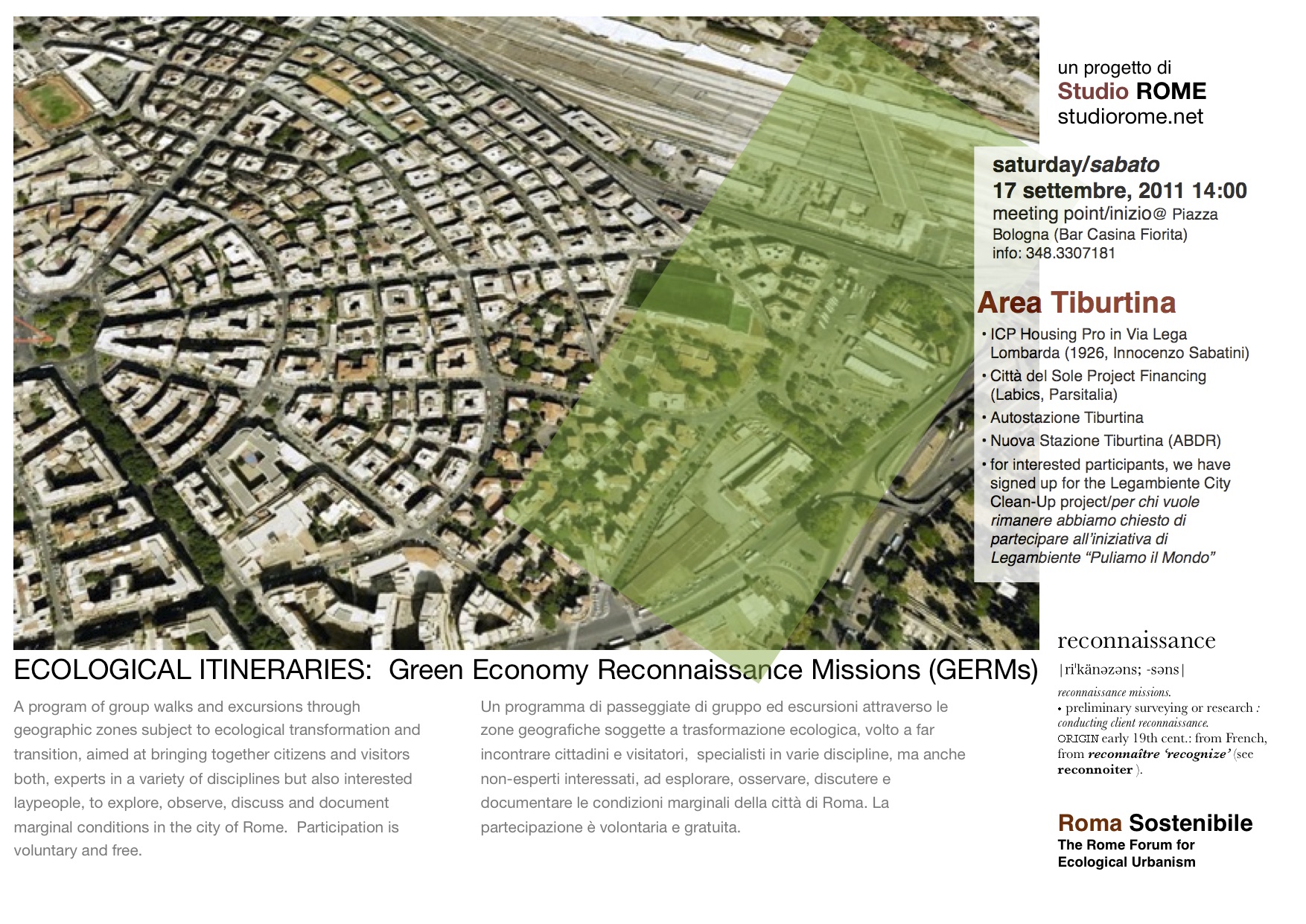
After much talk, I’m finally launching the Ecological Itinerary initiative, code-named Green Economy Reconnaissance Missions (GERMs). The first date is coming up soon so I’m counting on the blogosphere to spread the word fast and try to bring a good turnout. Feel free to print, post, share, link, etc.
Here’s what we’re looking at:
A program of group walks and excursions through geographic zones subject to ecological transformation and transition. The goal is to bring together participants, citizens and visitors both, experts in a variety of disciplines but also interested laypeople, to explore, observe, discuss and document marginal conditions in the city of Rome, what Labics calls the “Borderline Metropolis” which is not necessarily at the city’s edge. Each event strives to involve key stakeholders in the area, from developers and entrepreneurs to citizen’s committees and administrators. The events are non-political and non-confrontational, as well as rigorously non-profit (with any third-party expenses being paid individually on the spot by participants).
The first itineraries are being designed by architects and others at Studio Rome but once they are launched we hope that feedback by the participants will lead to their modification, improvement or even obsolescence. In the tentative calendar below we have tried to pinpoint positive initiatives, whether they be proposals for progressive developments (such as alternative energy production, transit improvements, new urban gardens, etc.) or resistance to detrimental change (opposition to environmentally un-sustainable speculative real-estate development, defense of public space, exposure of eco-abuse, etc.). We welcome suggestions and collaboration.
The itineraries will be planned as “operations” with the greatest possible logistical precision, using the tools of the digital era and the advice and indications of locals, to optimize time and energy and reduce waste. Operative models might be peace-keeping missions or movie shoots, or perhaps extreme sports–anything but conventional tourism.
The operations, including their planning (i.e. the email trail, including unanswered or declined requests) will be documented through video, photography and text.
TENTATIVE SCHEDULE
17 September 14:00
Area Tiburtina:
- ICP Housing Pro in Via Lega Lombarda (1926, Innocenzo Sabatini)
- Città del Sole Project Financing (Labics, Parsitalia)
- Autostazione Tiburtina
- Nuova Stazione Tiburtina (ABDR)
15 October 14:00
Mandrione/Parco degli Aquedotti
future dates
Parco Leonardo , EUR: From the Nuvola to EUROSKY, Malagrotta, Porta di Roma,
 SUSTAINABLE ROME