The Real Thing
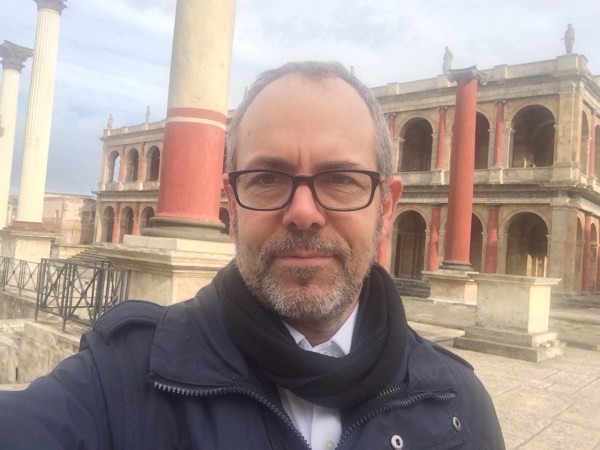
Two outings in two days have me thinking about authenticity and meaning. No answers, just observations.
Yesterday I accompanied a class I co-teach on a studio your to Cinecittà, Rome’s film studios. The five acres of backlots have twice been the center of a thriving film industry: once in the fascist era when Hollywood films were unwelcome in Italy, and again in the post-war, dolce vita years when the lots were bustling with everything from sword and sandal blockbusters to the masterpieces of Fellini. Today they are barely in business, but this actually makes it easier for the general public to visit without getting in the way.
Green Modernity
Villa Borghese and the Modern City
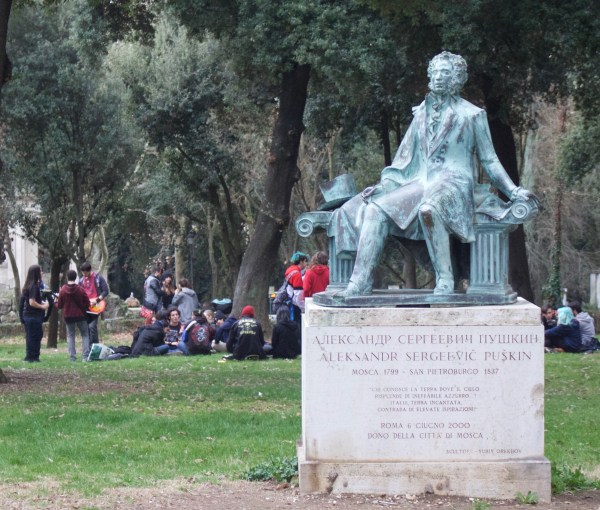
Of the many public parks in Rome none is better known than the Villa Borghese which comprises nearly 200 acres to the north of the Spanish Steps. Long the property of the wealthy and noble Borghese family, the gardens were purchased by the Italian state after the unification of Italy and make public in 1903 and are today a destination for those seeking green space, but also culture.
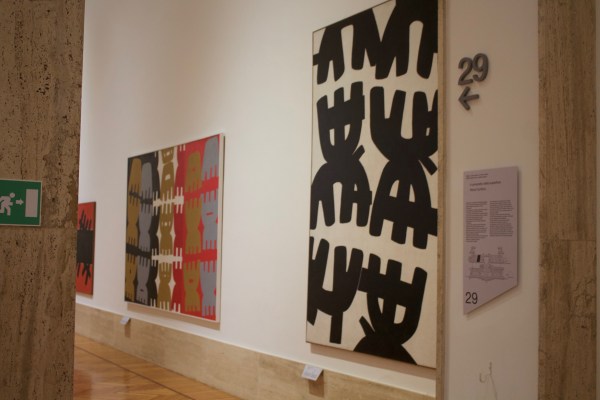
Works by Giuseppe Capogrossi at the Galleria Nazionale di Arte Moderna
Many foreign visitors, unaware that the word “Villa” in Italian refers not to a building but to the entire estate, confuse the vast park with the “Casino Nobile” the summer “cottage” created by Cardinal Scipione Borghese in the early 17th century to the designs of Flaminio Ponzio e di Giovanni Vasanzio. This elegant building now hosts the Borghese Gallery, one of the most impressive collections of sculpture and paintings in Italy and, indeed, the world.
But the Borghese Gallery is just the first of many cocktails of nature and art I love to sample and a visit to the Borghese this weekend brought me for the first time in years into one of the least known artistic treasure chests, the Gallery Nazionale di Arte Moderna (or GNAM, which in Italian sounds comically like the word for “yummy” and leads to endless puns about culture and sustenance).
The grand white neoclassical building which hosts Rome’s largest collection of modern art was completed as part of the celebration, in 1911, of the 50th anniversary of Italy’s unification. I once caught a memorable concert by Patti Smith on the steps outside, and visited frequently when I taught a course on the Art of Modernity a few years, back but I haven’t been through its gates since then.
Inside you can spend hours admiring works from the 19th and 20th centuries (for the 21st century, apart from temporary installations of living artists, head over to the nearby MAXXI by Zaha Hadid). Nowhere in Rome is the shift from elegant bourgeois world of the 19th century to the turmoil and liberation of the 20th so compellingly visible. From Canova to Capogrossi, with a good showing of international stars of the likes of Monet, Miro, Mondrian but also Pollock, Twombly, and Kounellis.


Outside the museum, after stopping for a coffee at the wonderful if slightly overpriced Caffe’ delle Arti, take a stroll around the eleven foreign academies with their eclectic architecture and frequent cultural events and installations which will be the topic of another blog post.
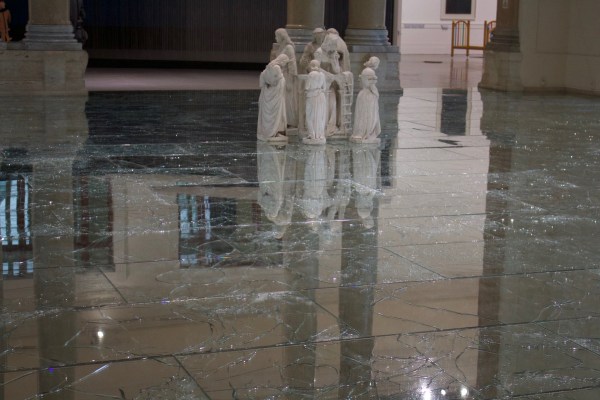
New work by Alfredo Pirri in the entry hall of GNAM


Readers of this blog will notice what a change of tone this post brings, induced by my desire to focus on what makes Rome a sustainable city and not just on what holds it back. There will still be plenty of space for comments (leave your own below or on Facebook!) and critique.
Roma 2025: Ideas for the New Metropolis
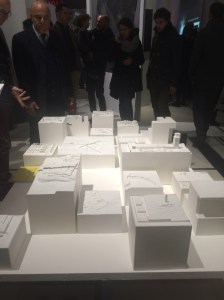
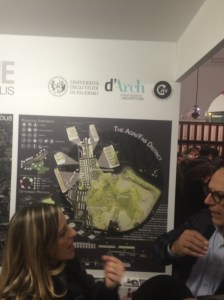
At MAXXI last night (18 December 2015) 25 projects were unveiled for 25 quadrants of greater Rome. Inspired by the 1978 Roma Interrotta project exhibit which saw 12 international architects address the planning of Rome’s historical center, this initiative, titled Rome 20-25: New Life Cycles for the Metropolis addressed the city at a much larger scale.
12 foreign universities, plus 12 Italian ones were invited to work on a 25 kilometers square, gridded into 10k x 10k squares. Yes, that adds up to 24, the central square being left vacant, but late in the game Princeton University was brought on board and given this daunting task.
The research presented in the exhibits, like Rome itself, is heterogeneous and more than a little chaotic. During the inaugural talks one of the presenters (Princeton’s Stan Allen?) observed that the exhibit reflected the structure of the city, and crowded with participants from Rome and all over the world, navigating the narrow warren of passages between the tightly packed exhibition stands, was more like a throwback to the Rome of a medieval jubilee. It warrants a closer look when the crowds die down.
Several of the members of the organizing committee (both Francesco Garofalo and Giovanni Caudo) referred to the disruptive nature of the proposals, creating a paradigm shift away from the 20th century approach to urban planning as property development. All of the projects instead look for systems, treat the city as a quantum rather than linear process, to quote Caudo.
Many of the buzzwords in the presentations are prefaced with “Re” or “Multi.”
They describe strategies for re-enforcing the resilience and resistance of the urban tissue, for re-using existing infrastructure, rethinking, retooling and redesigning more than eradicating and constructing. They speak of multiplicity and multi-culturalism.
The era of big projects is over. In its place we see a culture of dispersion, sharing, viral networking, a culture of interconnected villages which has always been part of Rome’s DNA. The Rome that emerges in this research is about daily life, about the culture of dwelling, (the “abitare” of University of Camerino), of daily life (the “quotidiano” of Roma Tre). It is about infrastructure but not the heavy, costly grey infrastructure of the 20th century but a new soft infrastructure (the “green” and “blue” infrastructure and “slow mobility” of University of Napoli Federico II). It is less about forms and figures than it is about substance and systems (the “energy, food and waste” systems of IUAV).
The discussion of center vs. periphery has final been replaced by a recognition of multiple centers and multiple peripheries.
Landscape, for some time, has been recognized not just as a context for the city’s architecture or an occasional anomaly in its development, but as an alternative to the city. Although Rome was once center of a quasi-global empire whose breadbasket encompassed most of the Mediterranean, at least since its fall it has stood out for the presence of productive agricultural landscape within its city limits, a fact that was highlighted in many of the projects.
Speaking for the Columbia University workshop, Sandro Marpillero noted that the 1978 Roma Interrotta had a devastating effect on American urbanism. It opened the floodgates to neo-liberal strategies for real-estate speculation dressed in formal historicism (at least when I was practicing architecture in the US this was the case). Collage-city, and thus indirectly Rome, provided an alibi for just about anything. Let’s hope that this new metropolitan vision, that privileges ecology, participation and systems thinking, will precipitate an urban transformation in a new, healthier direction.
An Architect Explores the World’s Most Resilient City
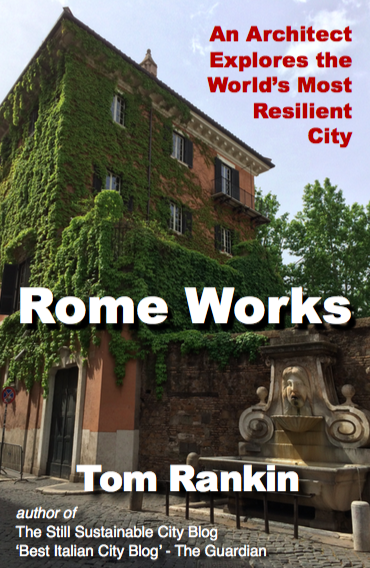
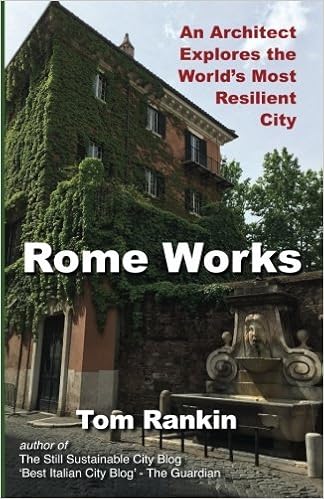
My book Rome Works is done and will be available in paperback and in Ebook formats starting next week. Here’s what it says on the back cover:
Although Rome has triggered countless books, Rome Works is the first to view the city through the lens of environmental sustainability.
Presenting seven case studies in sustainability from across a range of historical periods, it explores in detail Rome’s impressive history of low-impact urban growth.
Tom Rankin draws on his 20 years of experience as a professor and practitioner of architecture in Rome to examine this tradition from several vantage points. He considers the fabric of the built infrastructure, urban mobility and the ways that Romans have dealt with the challenges posed by transportation, energy use, water supply and waste removal. He also explores the roles that political and economic forces and, most importantly, civic values, have played in shaping Rome’s development.
The seven studies are less finished models of sustainability, the author writes, than complex and messy but instructive laboratories of experimentation and adjustment over time.
As he writes about the systems that allowed Rome to function in the past and those that do so today, Rankin also weaves in stories of his own passionate but at times exasperated relationship with the Eternal City.
Rome Works posits that development in Rome stands at a fork in the road. It can proceed along its current, growth-based trajectory, inspired by the American development model, or it can take an historically-grounded, authentically Roman path toward a greener economy.
If you like the writing in this blog, you’ll love the book. Read a sample here and follow the links to Amazon to purchase and leave a review if you want.
End of Degrado
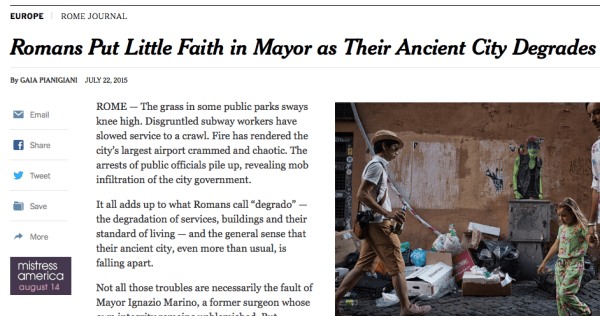
It’s an exciting time to be living in Rome (when is that not true?) and the world is watching to see what happens next. A recent article in the New York Times highlighted the urban blight that reached its greatest depth in recent years, and Mayor Marino’s patient efforts to reverse the trends. Along with the headlines of the past few months regarding Mafia Capitale, the temptation is great to see Rome as another Cairo, a once-great capital fallen into third world conditions (at least when I was in Cairo in the 80’s that was the scenario; it’s probably much improved like Istanbul today).
On the ground in Rome the perception is quite different. The “degrado” described in international newspapers today peaked a few years back and signs of improvement, albeit small and slow, are taking its place. The corruption that was visible to anyone involved in city affairs in recent years is being attacked through arrests and firings. Press releases from the city offices announce concrete solutions to problems of public transit, waste management, public safety and decor, and environmental issues which have been unaddressed for years.
It’s still difficult to be optimistic; the visible examples of before/after improvements are rare, and it is still way too common to witness blatant illegality on the city streets (sadly, also occasionally on the part of public officials). But at least it’s easier to denounce that illegality; whereas the attitude toward civic activism in years past was “it will never change, mind your own business” the message from the city hall is now “we hear you and thank you for your participation.” (Okay, I’ve still never got this answer in writing but I hear the sentiments and respect the intentions)
Organized Legality
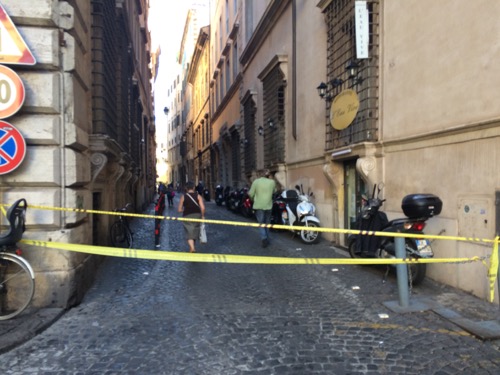
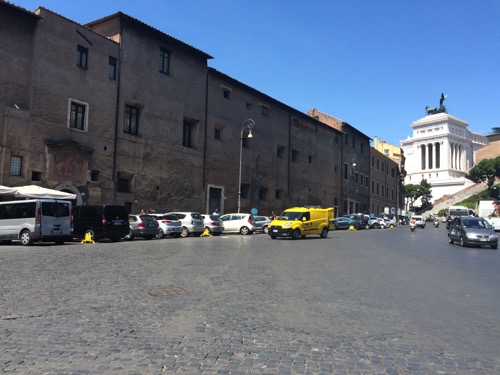
*title introduced to me by Prof. Avv. Christian Iaione, Coordinatore del LABoratorio per la GOVernance dei beni comuni
Waterlogged Cities
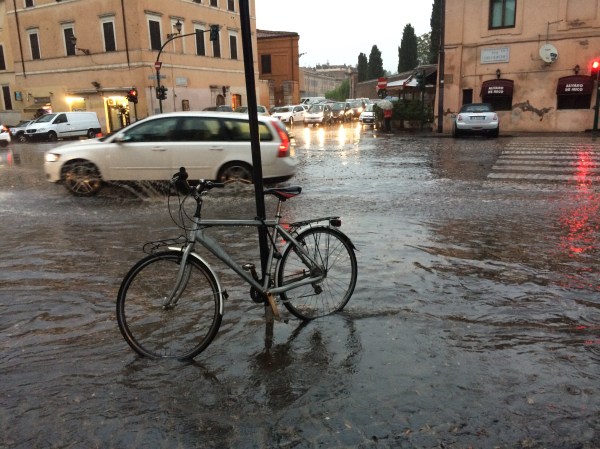
Reposting this post from last year: the rain, and an upcoming trip to Venice made it relevant again.
What can Venice teach the world about preparing for climate catastrophe?
Venice vs. Rome.
Italy is battling hydrological emergencies on various fronts. It seems like half the country is witnessing flood damage and erosion while the other half suffers droughts. Liguria and Tuscany have seen huge water damage in recent weeks.
Last night in Venice I had dinner with a friend at a fantastic little trattoria called L’anice stellato and as we dined on risotto and granchio we watched the Fondamento (sidewalk) disappear under rising water. We had boots, so the walk back to the hotel was not impossible. Wading through 40 centimeters of water, though, I couldn’t help think that this is the future of waterfront cities. Venice has lived with this for generations and adapts with typical seafaring courage and conviction. The high water is a simple fact of life, like the cold temperatures of a Boston winter. But for many cities, this is a glimpse of the now inevitable results of climate change.
In Rome schools were called off today because of predictions of rain, a preventive measure to protect the administration from any accusations of lack of preparation. Better to declare and emergency rather than try to prepare for one.
The closure of Rome today under medium heavy rains is strangely reminiscent of the crowds of protesters (mostly peaceful) that shut down Rome frequently during political demonstrations. Signs of the times in which ecological and economic disasters start to have an impact on our everyday lives. Am I the only one that sees a connection between these events? Violent weather events like this are on the rise as temperatures rise, results of climate change which are irrefutably connected to emissions from human activity, the same human activity which has concentrated money (and thus power) in the hands of the 1%, a situation which has become intolerable to the masses and resulted in uprisings worldwide.
Of course there is no linear causality but rather a web of connectivity. Likewise, the unplanned urbanization of our cities has resulted in impervious surfaces which translate heavy rains into flash flooding. If we incorporated green space into our city-building, rains like this would be absorbed and enrich the aquifers, rather than overflowing into rivers.
Wisely the Mayor sent out a call to citizens to avoid driving during the weather emergency. (Strangely, he also suspended the restrictions on traffic in the historic center, increasing the likelihood of auto related incidents.)
Part of the reason Venice doesn’t shut down in time of flood is that people are far more flexible and resilient without cars (and in Venice, of course, there are no cars.) Our dependence on automobiles traps us in rising floodwaters, blocking emergency vehicles and public transit, effectively shutting down the city in situations where were we on foot, living close enough to our daily needs to walk, we might get wet but still function. On days of rain emergency in Rome, I bike to work as usual (actually better than usual because the clogged traffic means that for once I’m not a target of homicidal drivers). I just bring dry clothes and change when I get to work.
Io Segnalo, and Then?
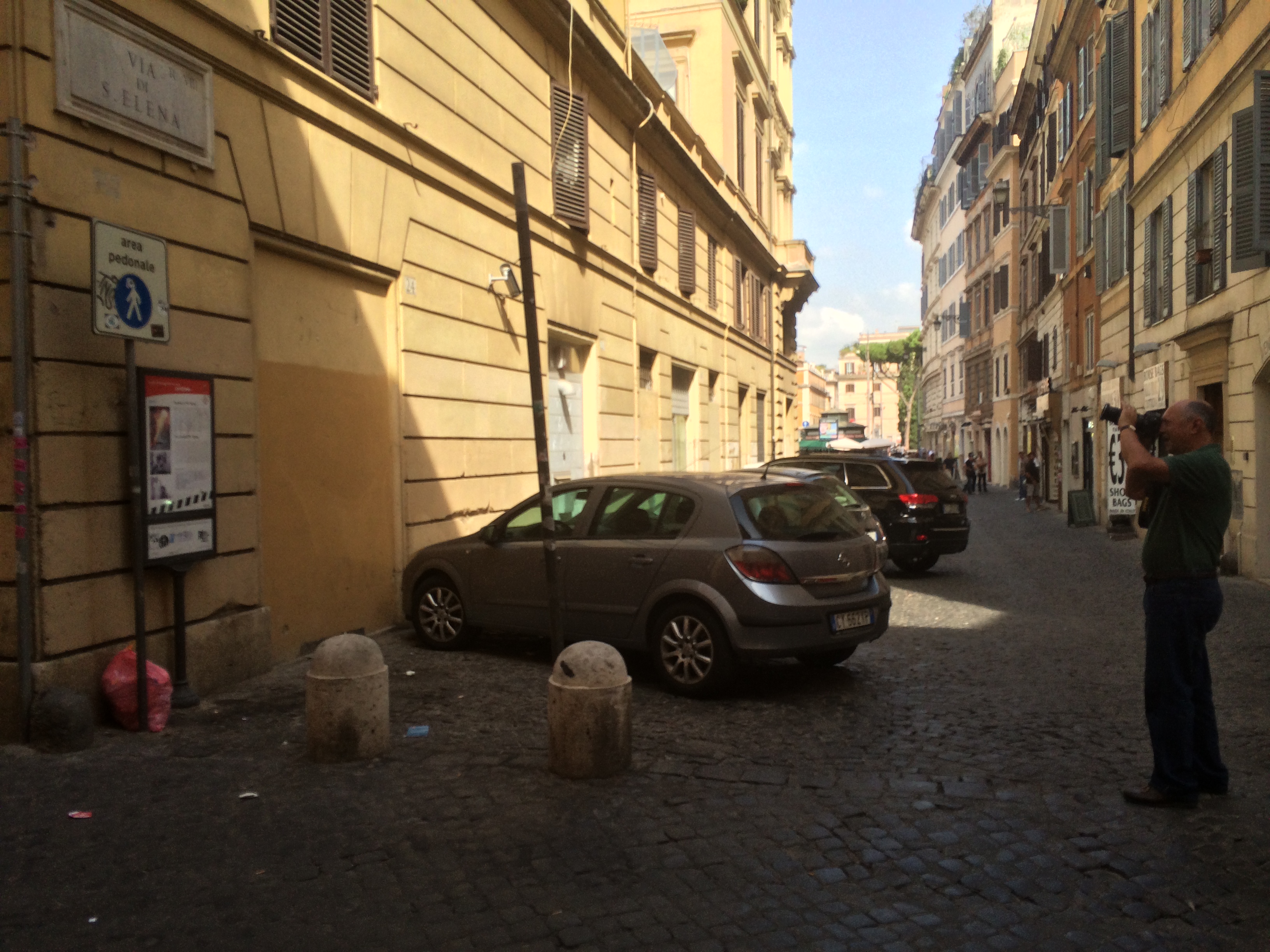
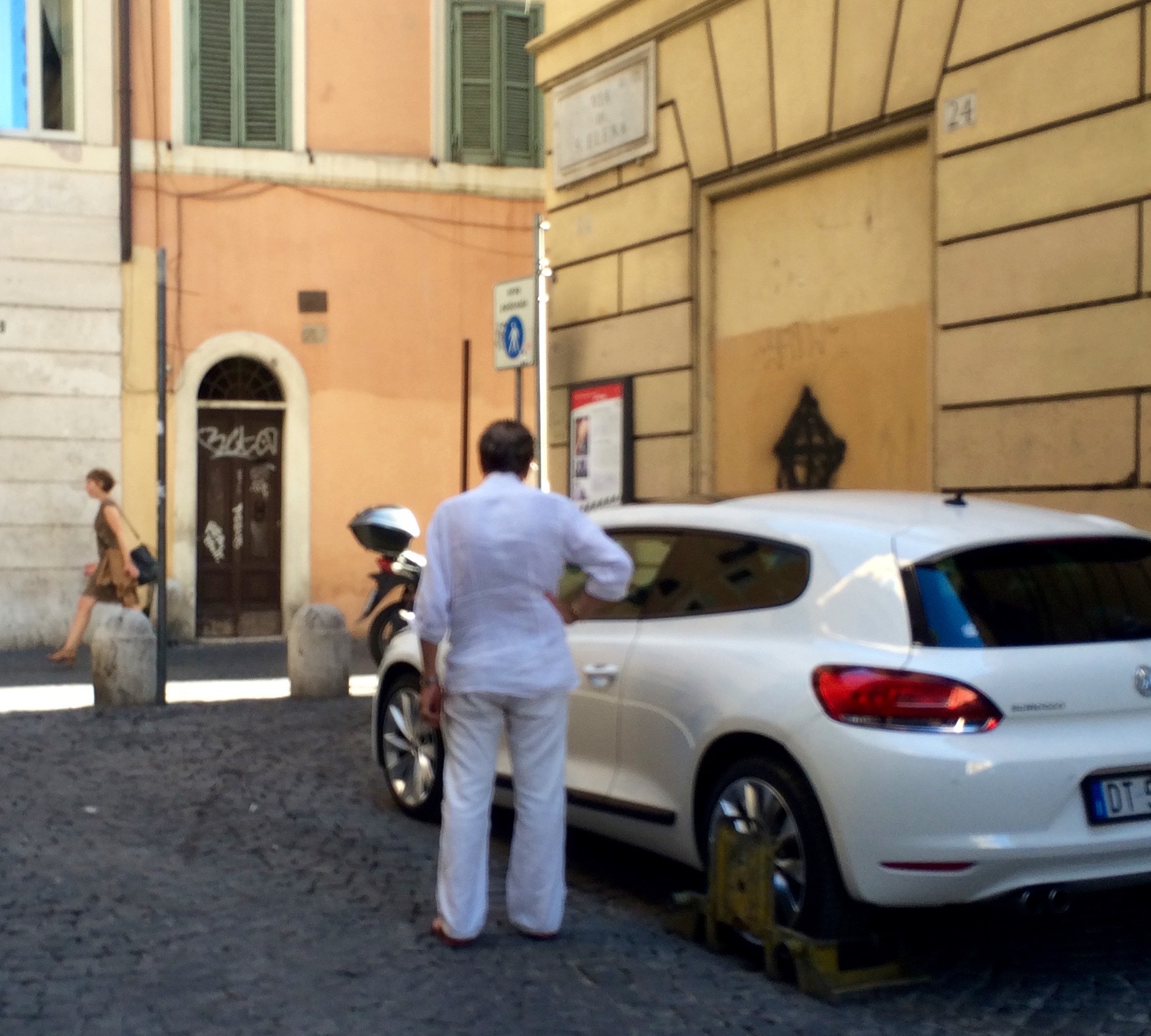
Adding this image long after the original post to show that things are changing.
A revolution is about to take place in the way citizens of Rome interact with the public administration and it is called “Io Segnalo” (I report). The mind behind the project is Commandante Raffaele Clemente, head of the capital’s Municipal Police (the ones who enforce traffic laws as well as various administrative policies, building codes, public space use, etc. while the Polizia and Carabinieri concentrate on felonies). The goal is to make it easy for any citizen, including foreign visitors, to register complaints and insert valuable data directly into the city’s crime prevention system.
The list of violations ranges from illegal parking to potholes, from illegal dumping to abandoned vehicles, from public disturbances to tax evasion by vendors. Some complaints will result in immediate interventions, while others will go into a database which will aid the administration in pinpointing problems.
Great, Sustainable Rome fully supports this.
Under one condition. That Commandante Clemente take steps to ensure that the Polizia Municipale do two things:
1. set a positive example by respecting the law, disciplining any members of the force that commit violations, a rare occurrence of course but still unacceptable.
2. by acting to apply the laws being violated under their own noses, sotto i propri occhi, every day!
There should be no opposition between “vigili” and “citizens” but rather a mutual respect for those who behave civilly and a common intolerance for uncivil behavior.
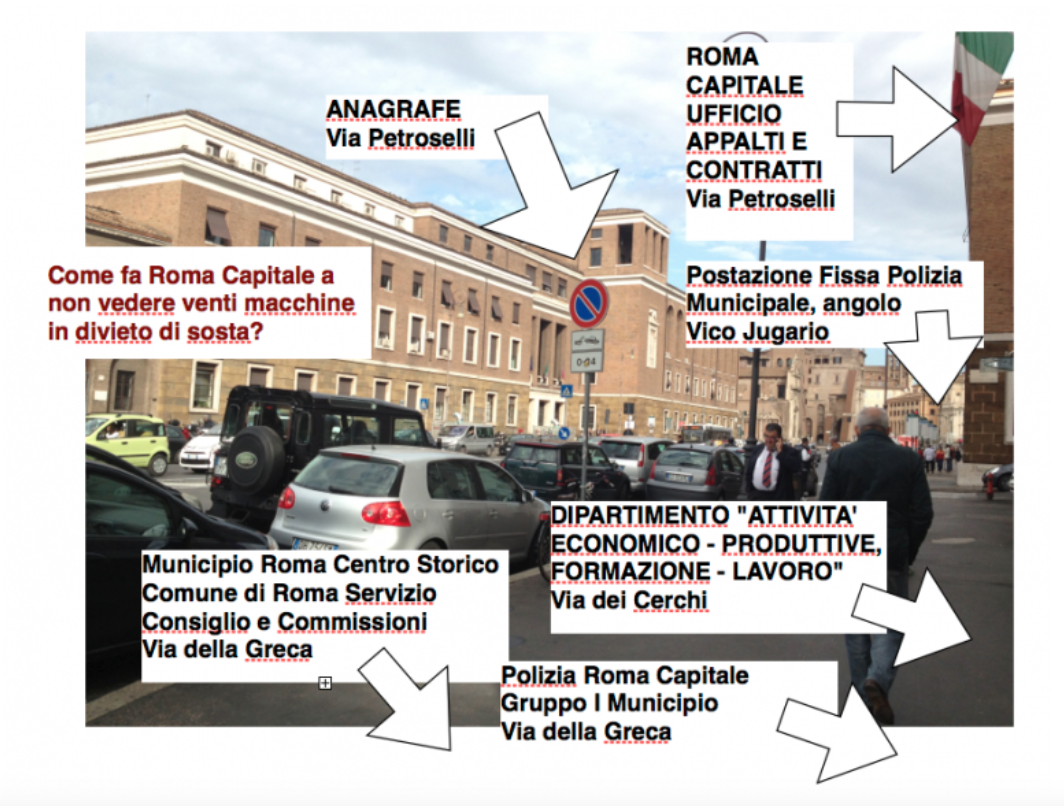
Today, per assurdo, a citizen can send hundreds of segnalazioni a day of violations taking place outside the windows of Municipal Police headquarters. A new system to denounce violations will work better when the violations are the exception to the rule, not the rule. Right now, it would be like hiring someone to wash dishes in a busy restaurant and then asking the diners to provide a list and description of their dirty plates.
We’re happy to help out to do our part. All we ask is accountability. Accountability. To be “accountable.” It’s in the dictionary.
accountable |əˈkountəbəl| adjective1 (of a person, organization, or institution) required or expected to justify actions or decisions; responsible: government must be accountable to its citizens | parents could be held accountable for their children‘s actions.
Creare disagi agli automobilisti
Here’s a great post (in Italian) which I share 100%

Questo post nasce per evidenziare l’enorme fatica necessaria ad uscire fuori dalle gabbie mentali che la società incessantemente provvede a costruire, la perenne difficoltà nel vedere le cose come realmente sono e non come ci vengono confezionate.
Prendiamo un concetto banale come può essere quello di “creare disagi agli automobilisti”. Beh, disagi è una brutta parola, che rimanda ad una sensazione di fastidio. Non sembra bello, o se vogliamo eticamente corretto, imporre disagi ai propri simili. Il vangelo stesso, col quale tutti, volenti o nolenti, siamo stati cresciuti, recita in estrema sintesi: “non fare ad altri quello che non vorresti fosse fatto a te”.
Quindi nel momento in cui si vanno a richiedere sistemazioni in sicurezza per gli spostamenti in bicicletta, nel momento in cui viene sollevata l’obiezione che si creerebbero “disagi agli automobilisti”, immediatamente scatta una reazione istintiva: il senso di colpa derivante dall’essere causa di…
View original post 334 more words
Eyes on Rome
Words don’t work so well to express Rome in the springtime when the weather gets warm and things start to bloom. They end up betraying me, leading me to whine when I should be extolling. I like to show this city to people so as to see it with fresh eyes myself.
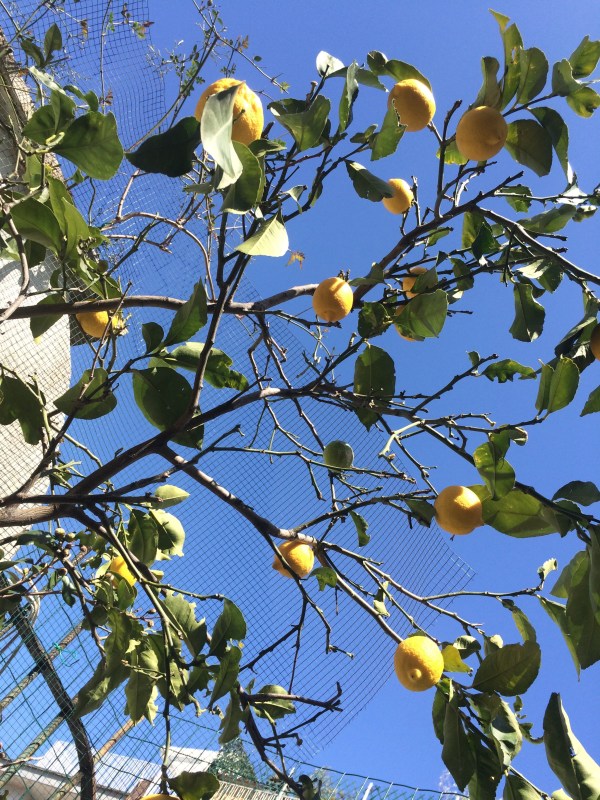
The lemon tree under which I am writing
I had the opportunity to do this over the past few days, exploring Rome with an architect and an antiquities dealer, designing and improvising an itinerary between sacred sites of all eras and all denominations, from the Jubilee Church at Tor Tre Teste to Rome’s Mosque to the Synagogue and the Sistine Chapel, from the MAAM to Bramante’s Tempietto to Sant Ivo to the Pantheon. I’ve also been heavily into EUR and the churches of the Celio. And of course the Tiber where I’m concentrating efforts as Director of TEVERETERNO Onlus. Rome never ceases to amaze.
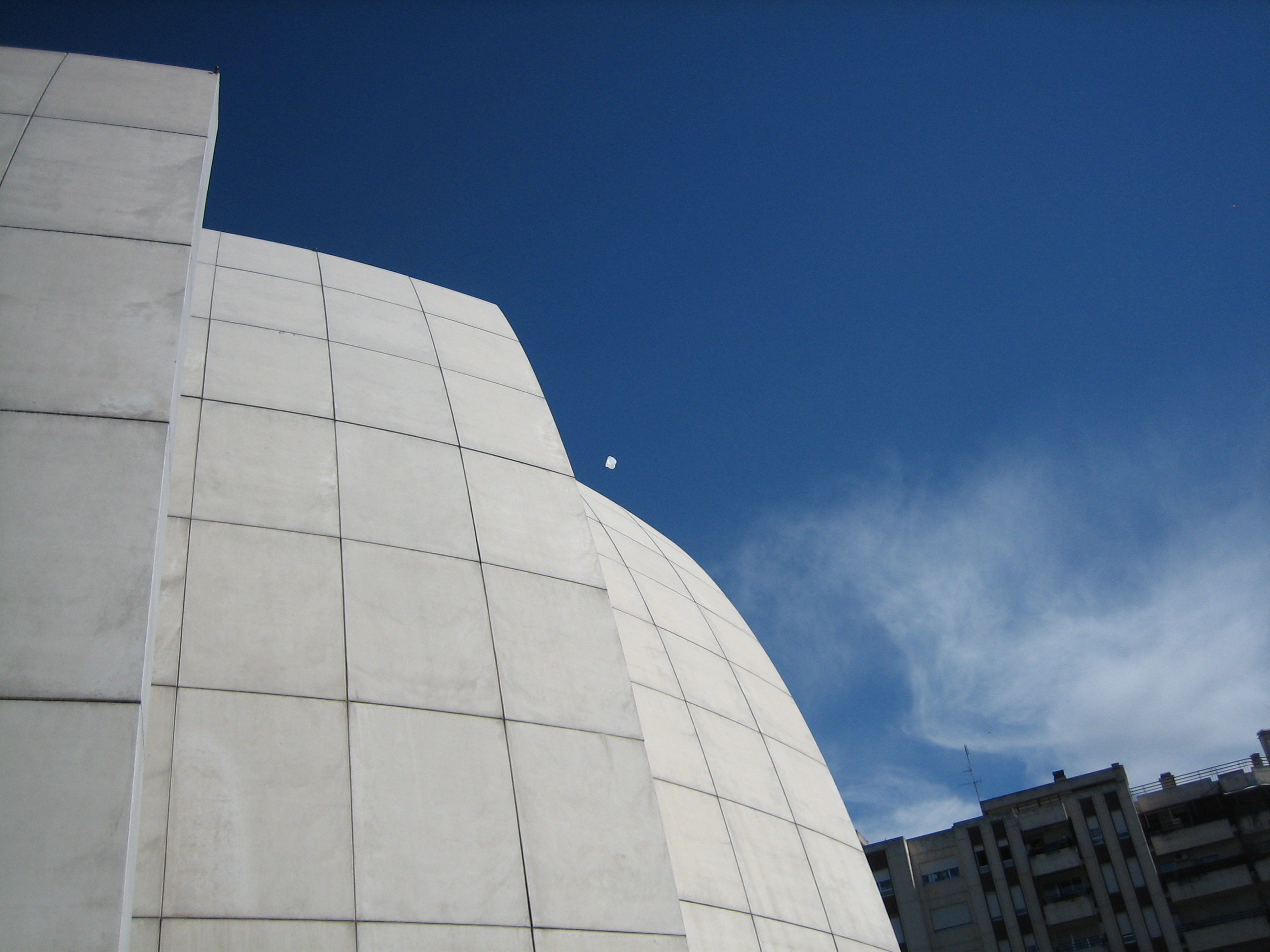
Richard Meier’s Church at Tor Tre Teste “Dives Padre Misericordia”
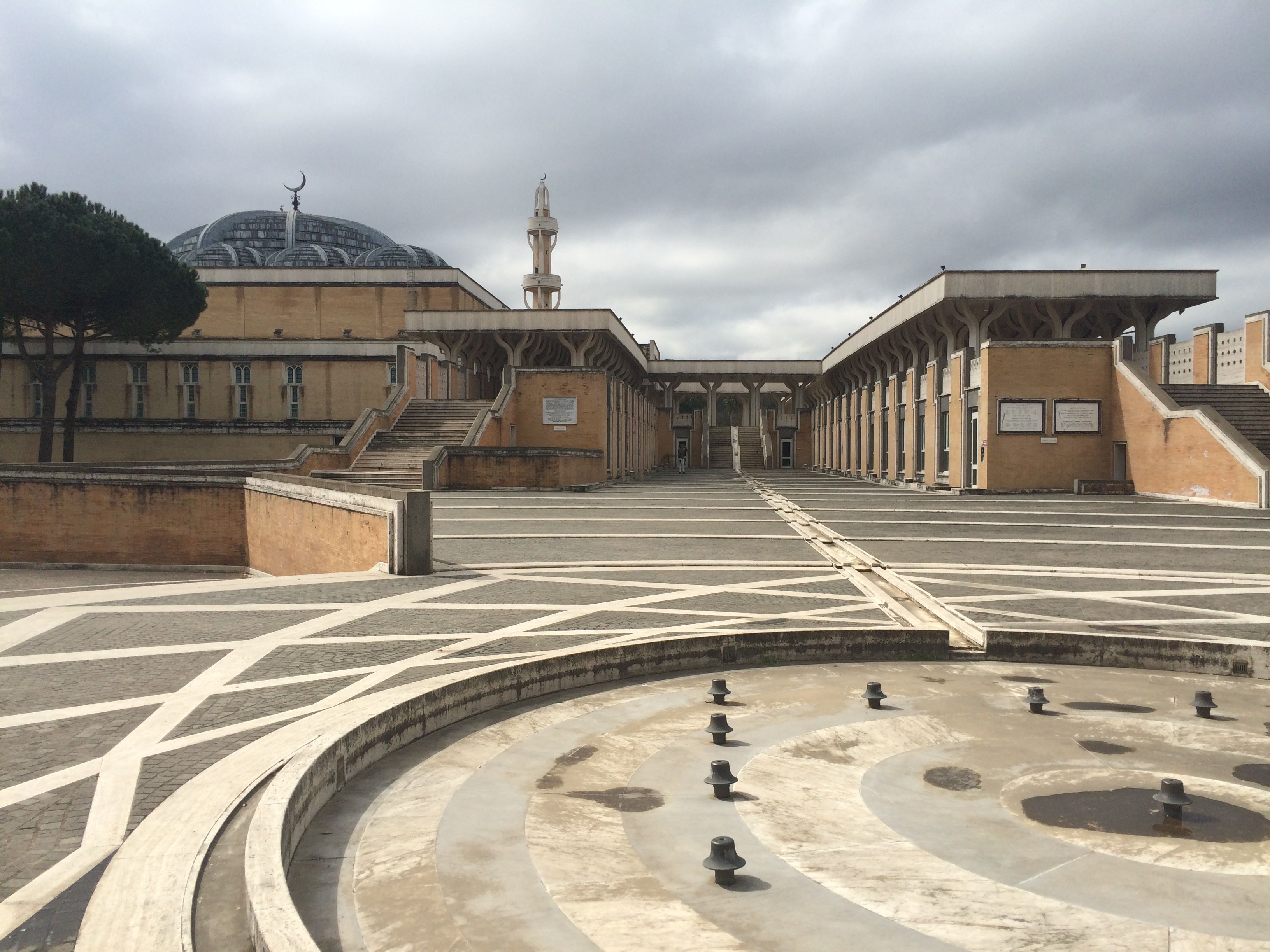
Rome’s Mosque by Paola Portoghesi. Echos of Kahn and Yamasaki.
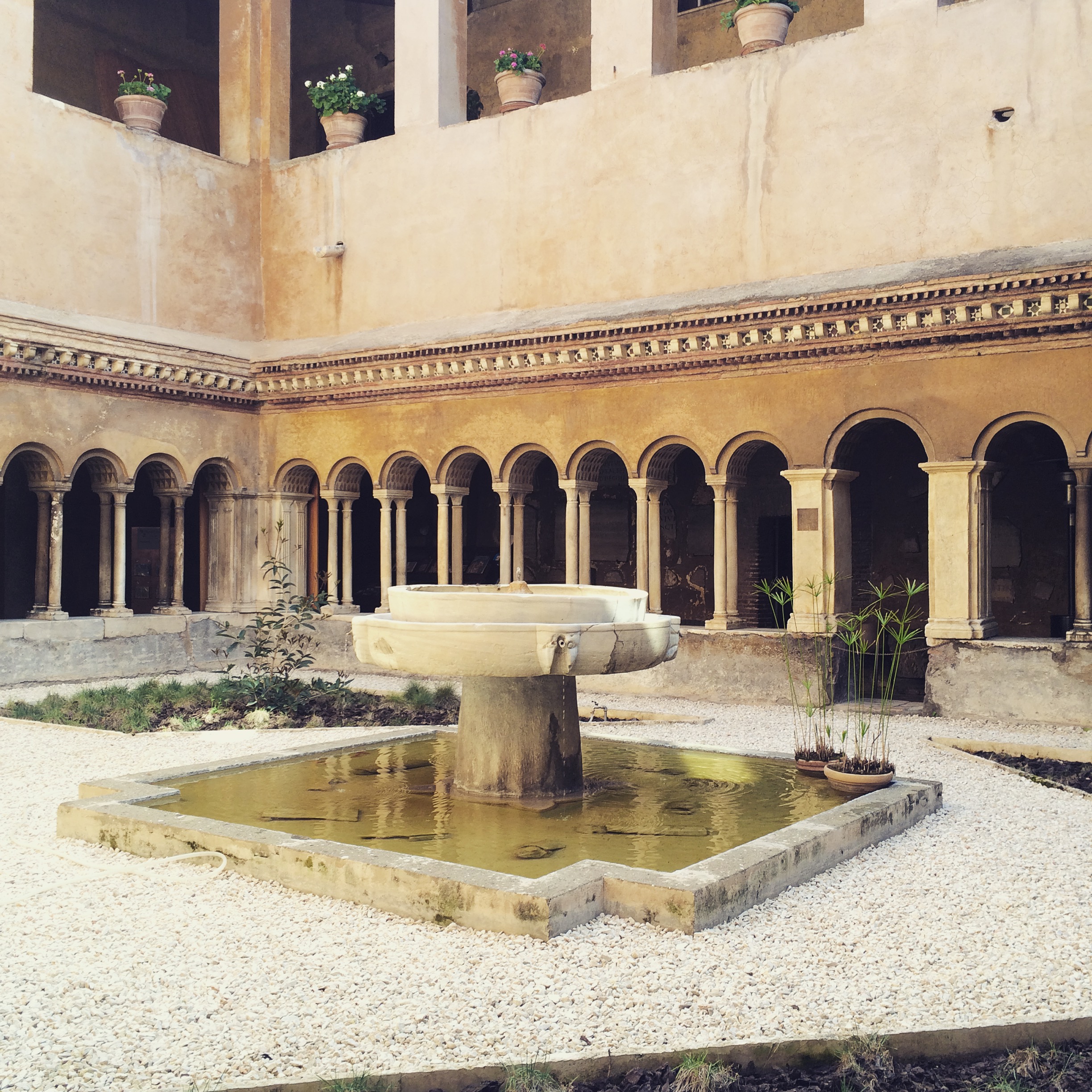
Santi Quattro Coronati Cloister: recently restored and so peaceful
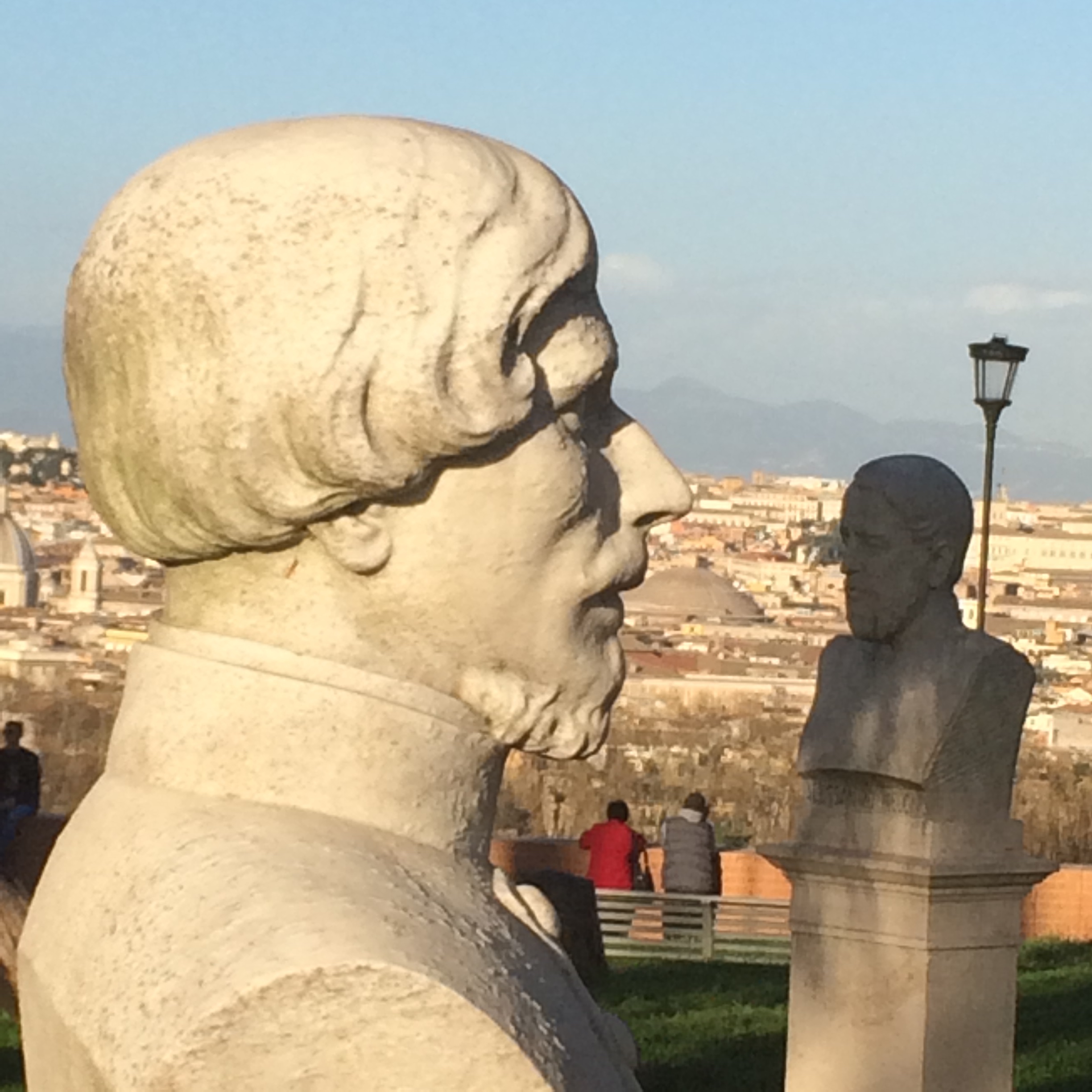
Unification fighters and tourists looking down from the Janiculum
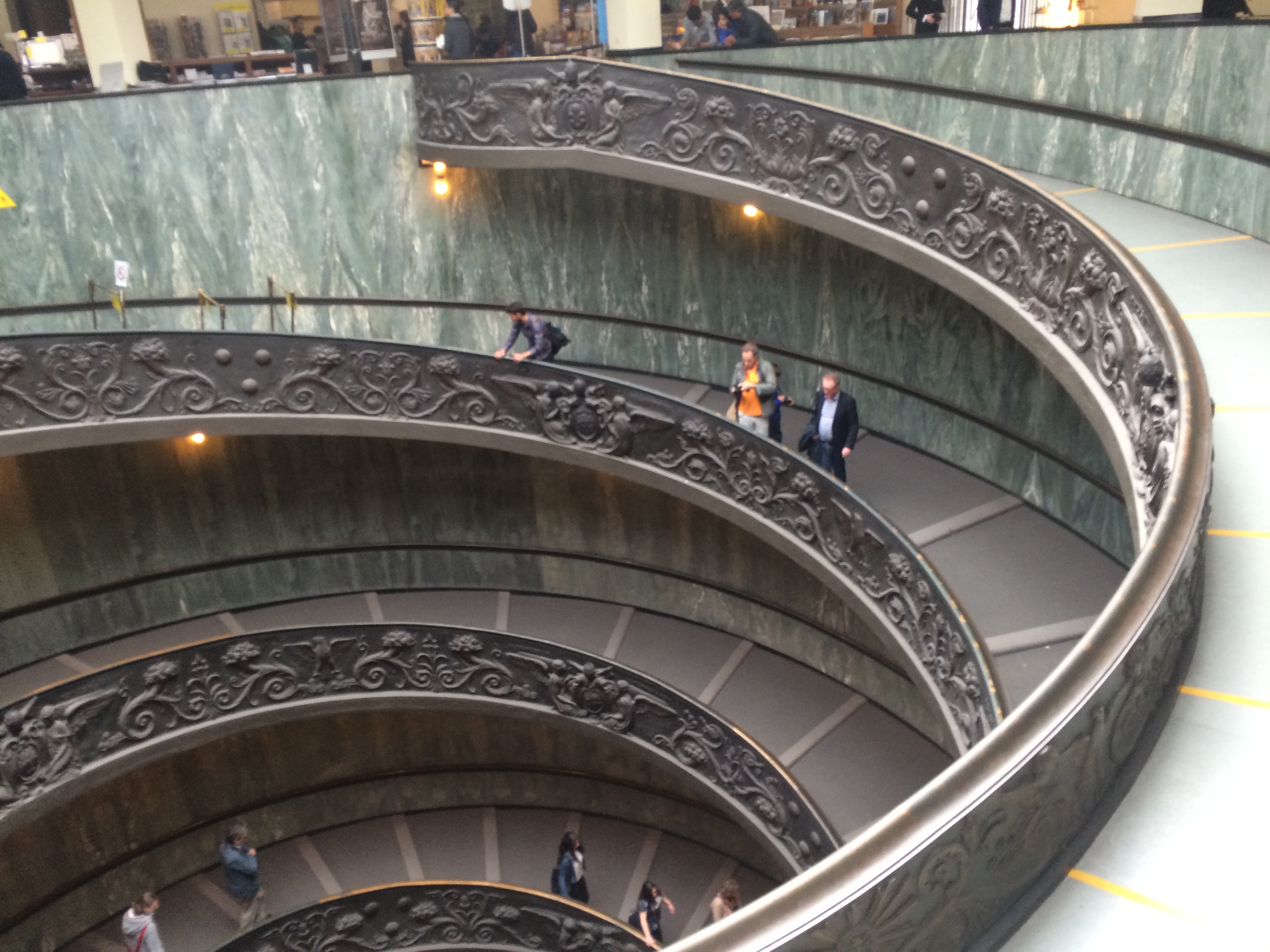
Double Helix in Vatican City
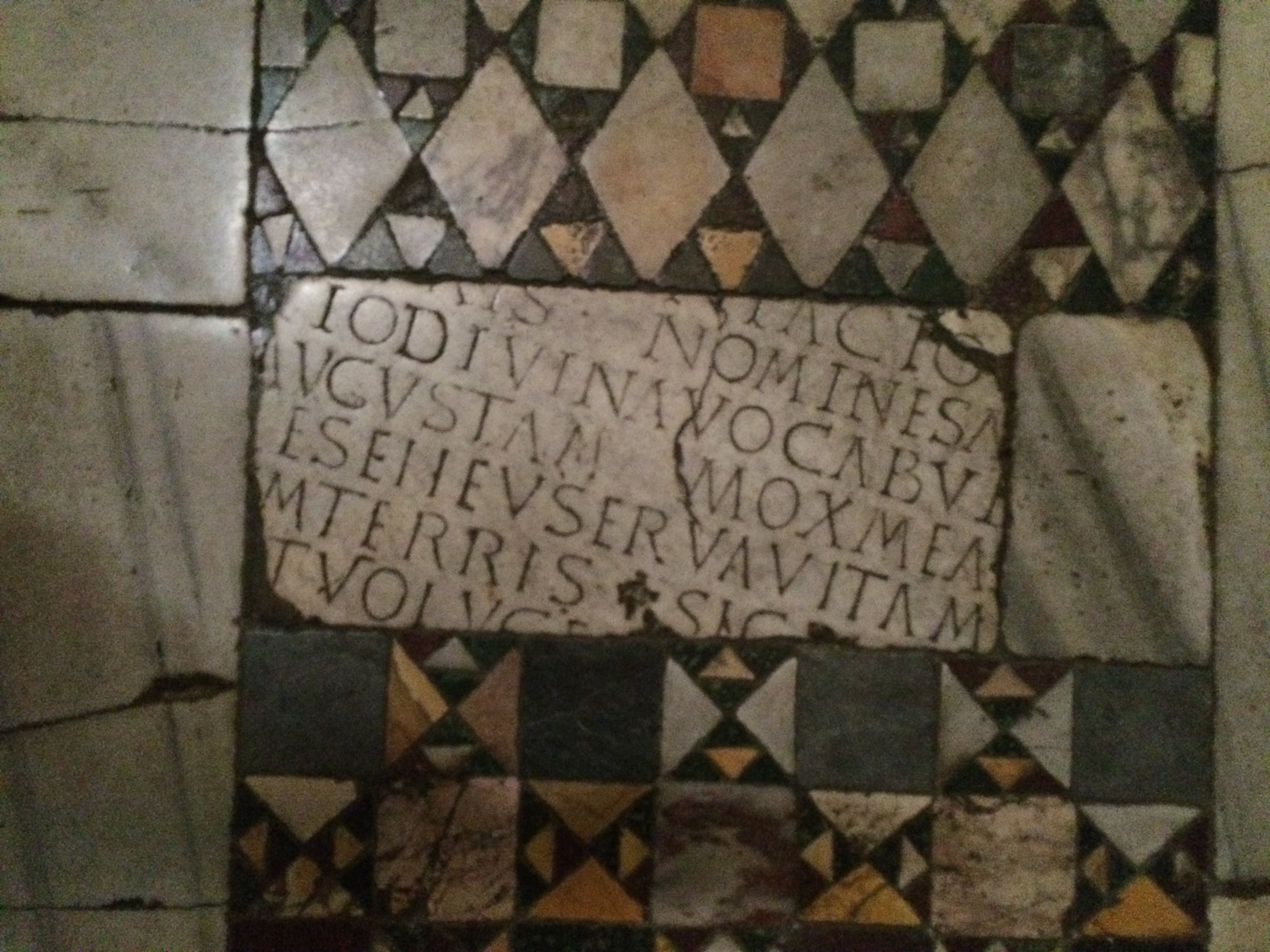
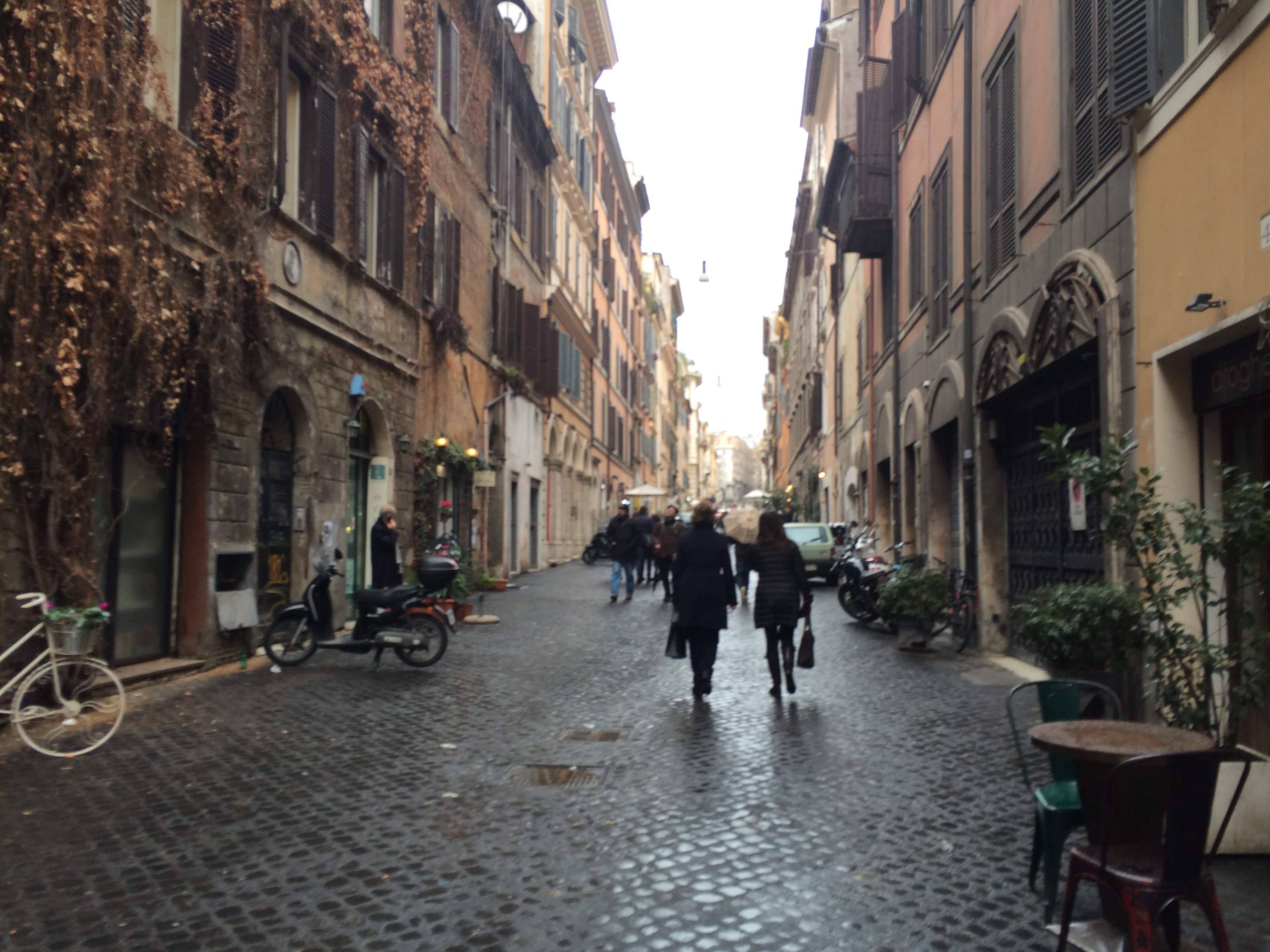
#viaurbanapedonale
Of course it also surprises, and not always pleasantly. My street was closed to traffic for three days this week after trees fell in a windstorm. For three days it was an “open street” safe for people; children were playing in the streets, you could hear the birds and breath the air. Now it’s back to normal, clogged with speeding cars and everyone seems happy, saying it has been “re-opened” when it seems just the opposite.
In the Monti neighborhood Via Urbana is struggling to maintain the civilized state that it achieved when it too was pedestrianized and became an oasis of urban vitality. Some people actually want to go back to the way it was.
And despite the international attention being received by this grassroots movement for civic space, the Mayor hasn’t answered the call. I’m not surprised really. Despite having told me explicitly that his office would answer all queries and suggestions, it’s hard to even get an auto response from Rome’s administration.
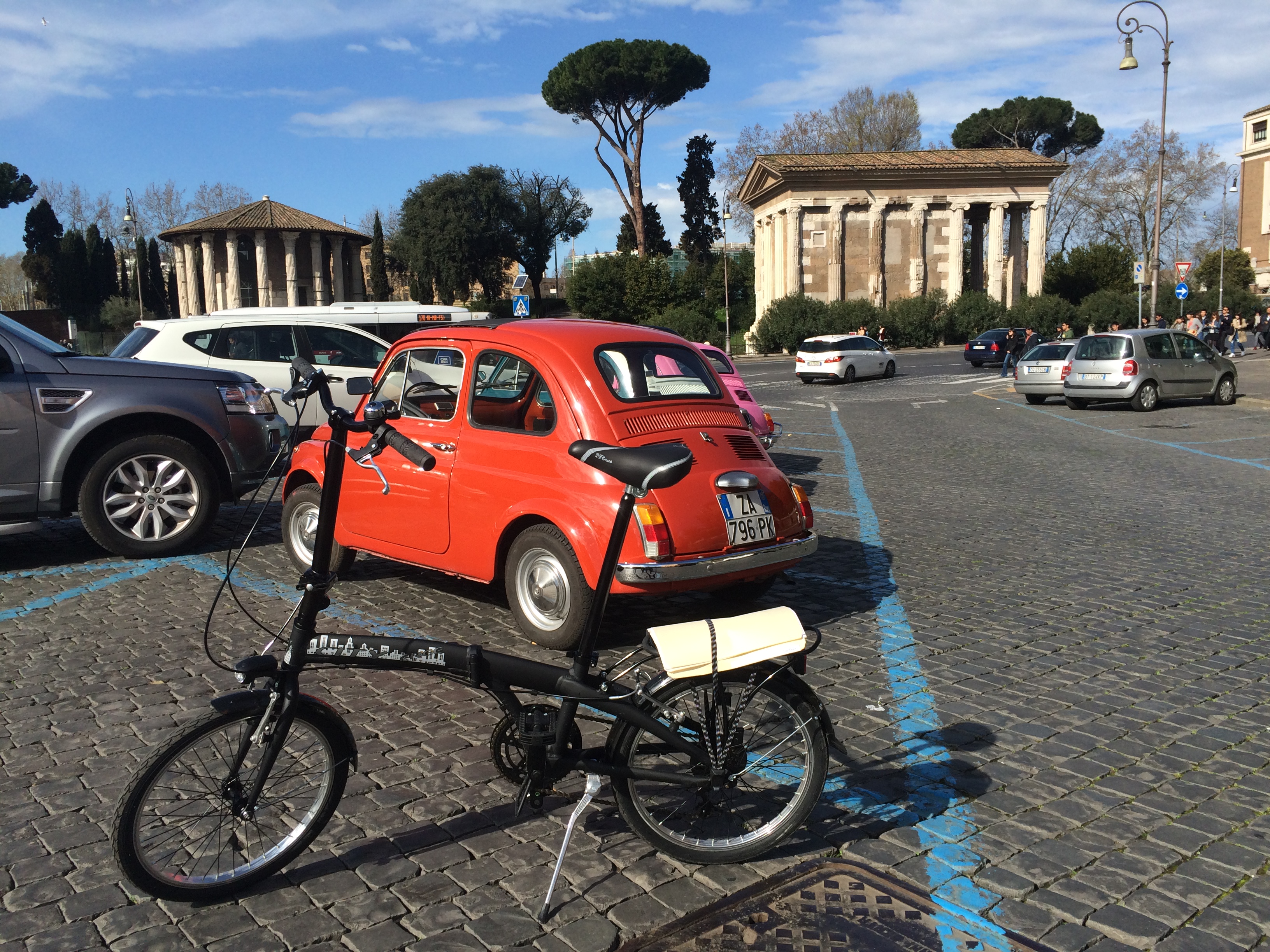
My favorite transportation and temples
Dear Mr. Mayor,
When we spoke last in December you were very clear in your commitment to respond to emails from your constituents. You also spoke of a program you are launching to promote some sort of cultural crowdfunding for the city of Rome. Having worked for 20 years in the cultural heritage management business in Rome, and being in touch on a daily basis with donors and investors interested in contributing to urban transformation projects (such as TEVERETERNO), perhaps I can make a suggestion. Why don’t we launch a program directly on the Roma Capitale cultural portal through which donations can be made to support public projects? I know for a fact millions of people would be thrilled to take part in this, and I know the language needed to make it happen. Sure it must be innovative and ambitious, but it requires one quality for which Italian administrations are not always known: accountability. Why don’t we talk about how to change this?Best regards,Tom RankinP.S. I have yet to receive a formal, substantive answer to any of my emails to date, with the exception of occasional chats with Roberto Tricarico.
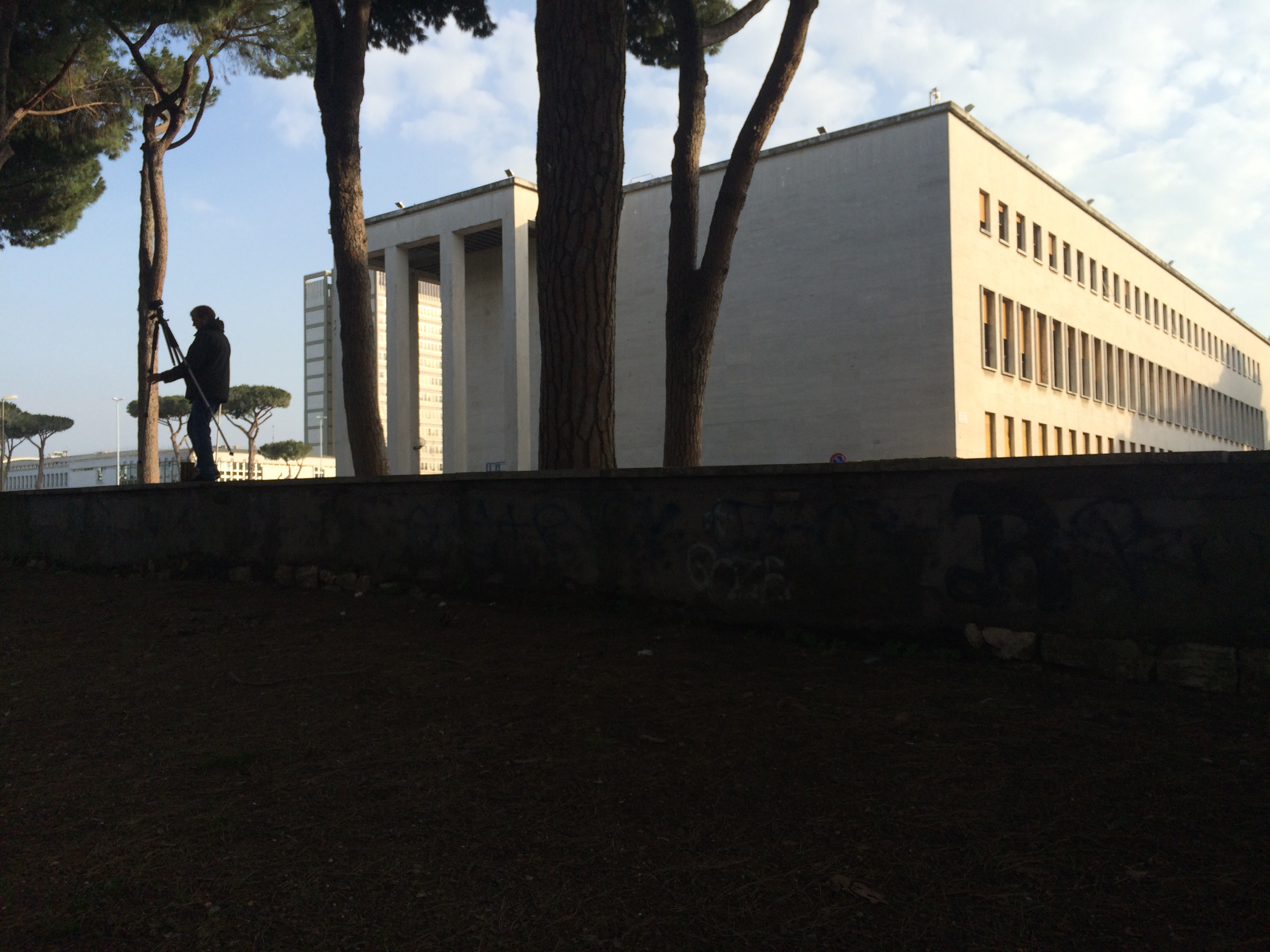
Filming at EUR #eclisse revisited
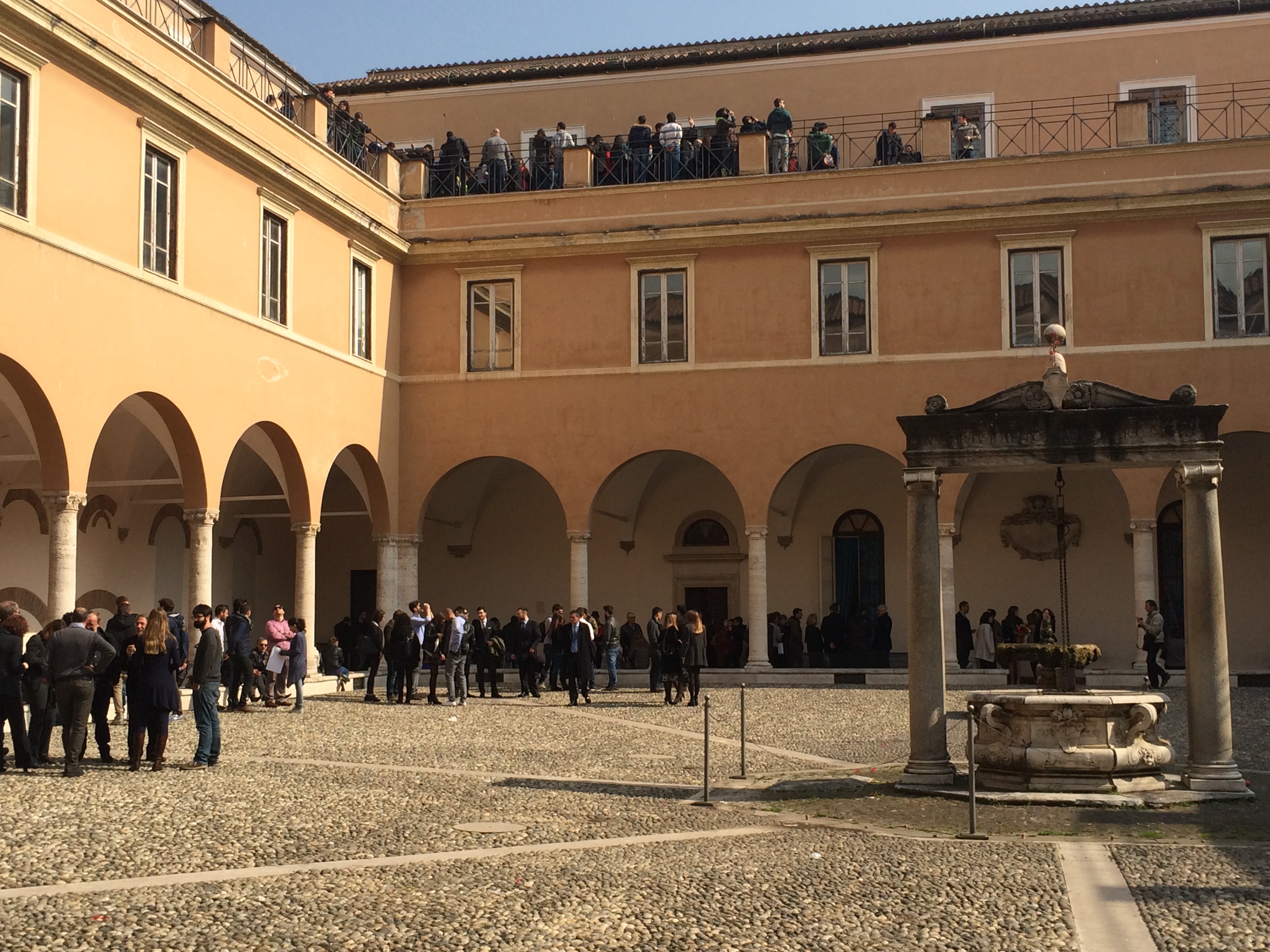
Watching lunar eclipse with my Engineering students in Sangallo’s courtyard next to Julius II tomb (San Pietro in Vincoli)
Rome cannot be better, but it can do better.
 SUSTAINABLE ROME