Kicking around Rome
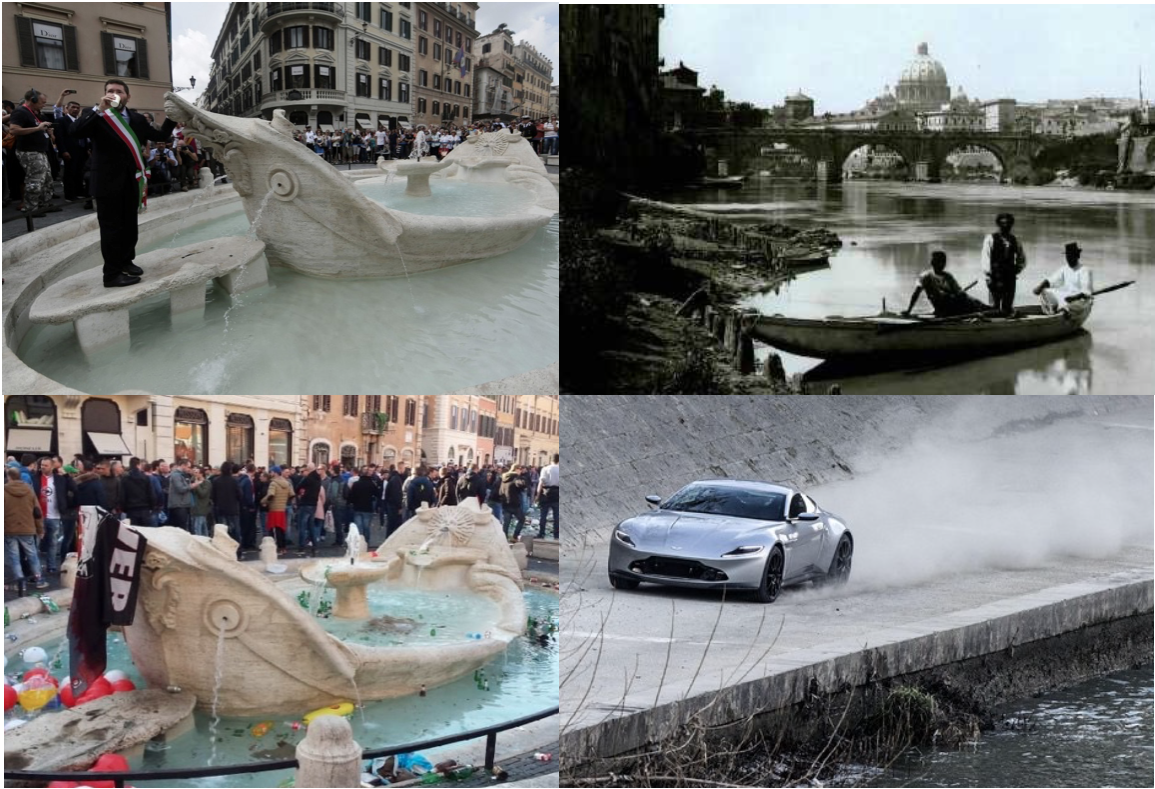
Sometimes a series of events take place in the same place and time and, although they are unrelated, it’s hard not to make connections and comparisons. The beauty of Rome, we know, comes with strings attached. It attracts all, and like a beautiful woman it sometimes falls victim to abuse.

Guardian chooses Sustainable Rome Italy’s Top City Blog
Learning from Bilbao
Starting 2015 with the optimism which inspired this post last summer.

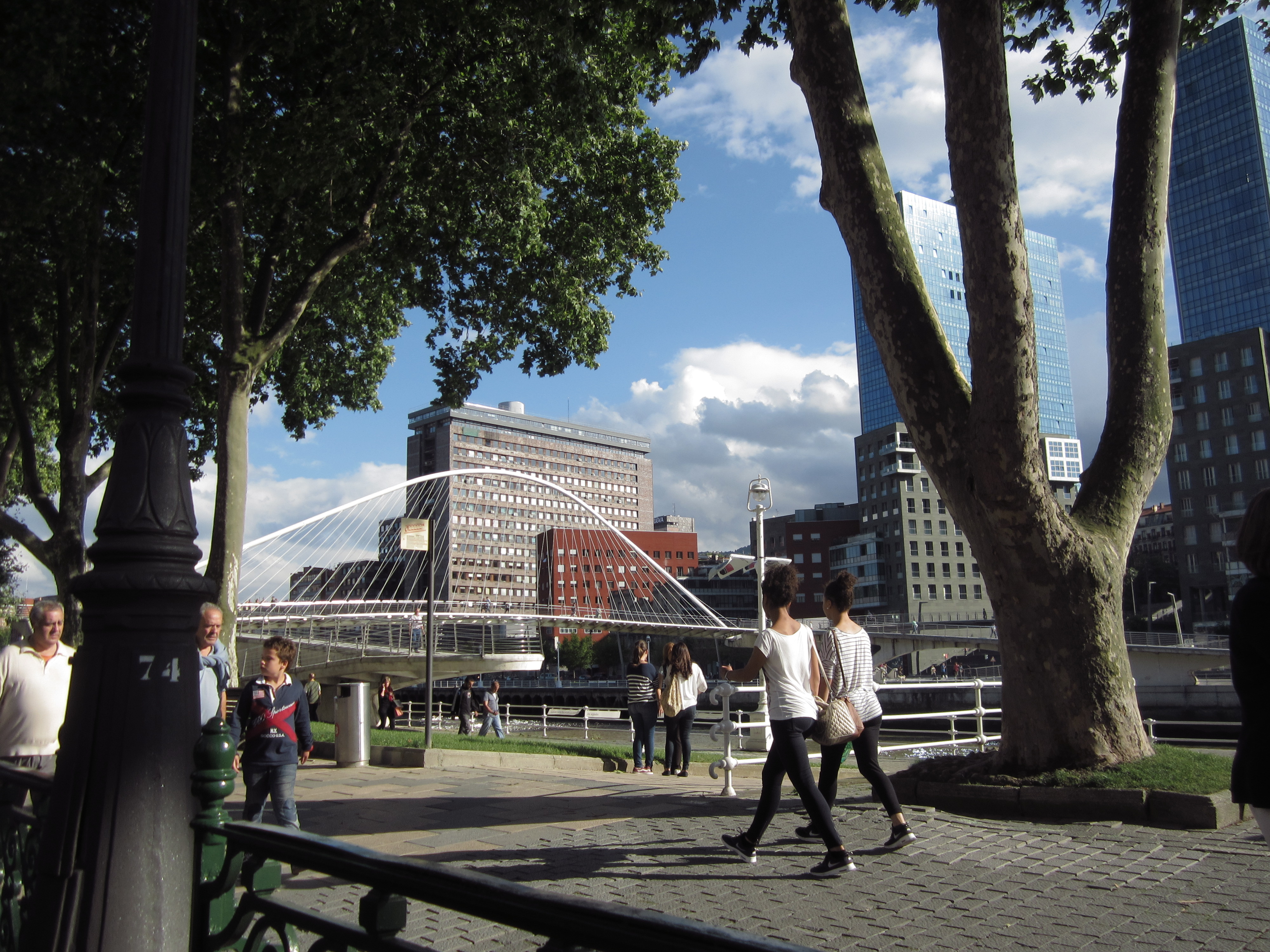 Nervión riverside promenade with Calatrava bridge
A three day trip to Bilbao, Spain reminds me of some simple solutions to apply to Rome. Of course, these are two different cities. Rome has multi-millenial cultural heritage, Bilbao much less. Rome has three times the population, and a much larger tax burden. Oh, and Bilbao is cold and rainy compared to Rome. So, potentially, Rome has more resources and greater attraction, and yet Bilbao is without doubt more livable.
Much has been written about the Bilbao effect, the result of choosing a “starchitect” like Frank Gehry to design a new Guggenheim Museum where a great landmark building and a good international marketing machine make up for a not-so-impressive collection. (Except for Richard Serra that is).
But the Bilbao effect I saw these days was more about public space, sustainable mobility and the rehabilitation of the urban riverfront. All lessons that could be…
View original post 416 more words
White Christmas, Green City
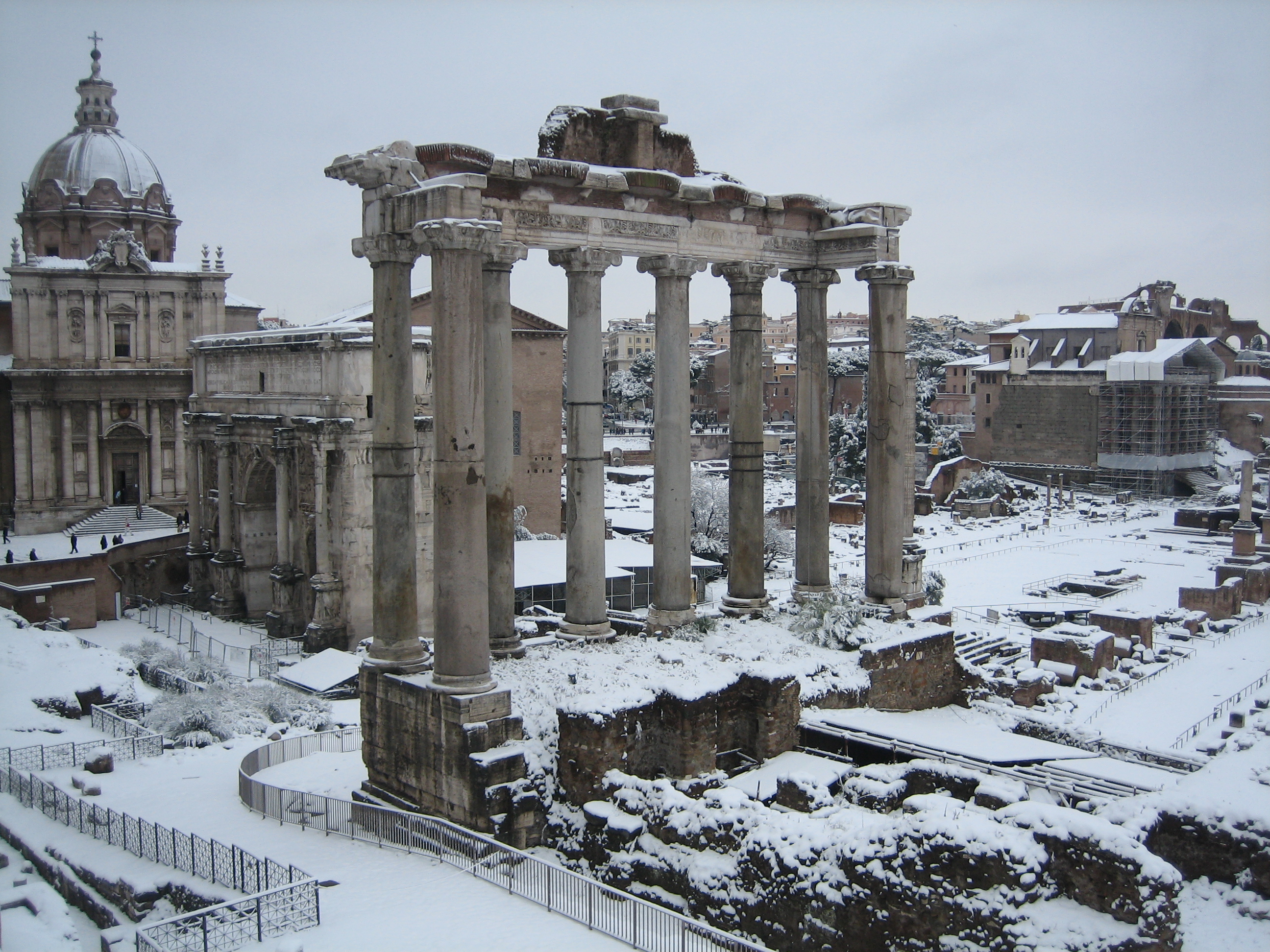
February 2012 Snow in the Roman Forum
Inspired by my friend Elizabeth Minchilli‘s white christmas holiday post, here’s a historic view of Rome from a few years ago. Happy Holidays to all!
100 Resilient Cities: Roma
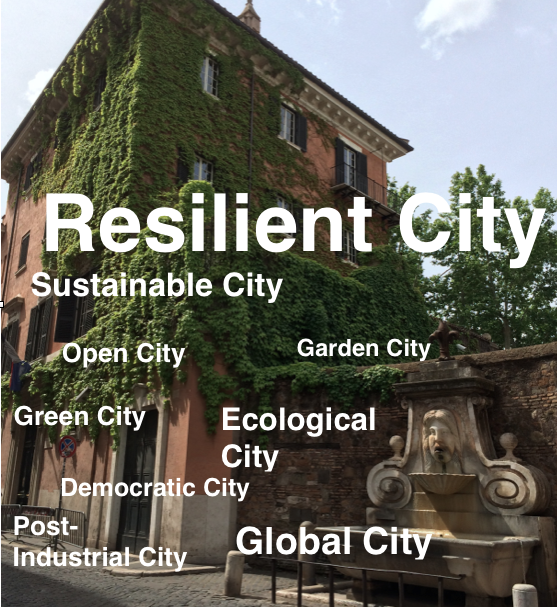
Rome the “Quintessential resilient city”
Thanksgiving Break
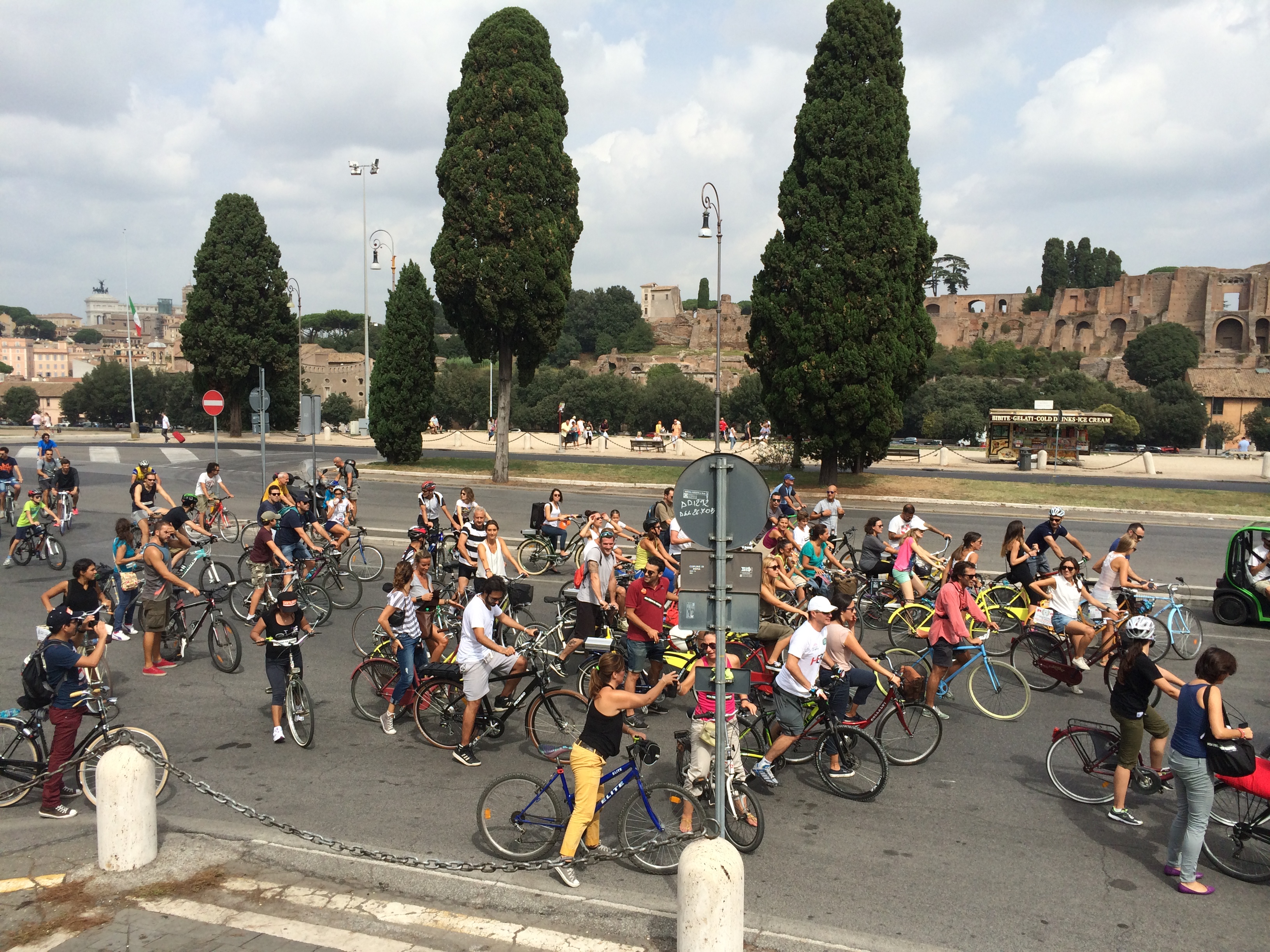
European Mobility Week = Business as usual in Roma
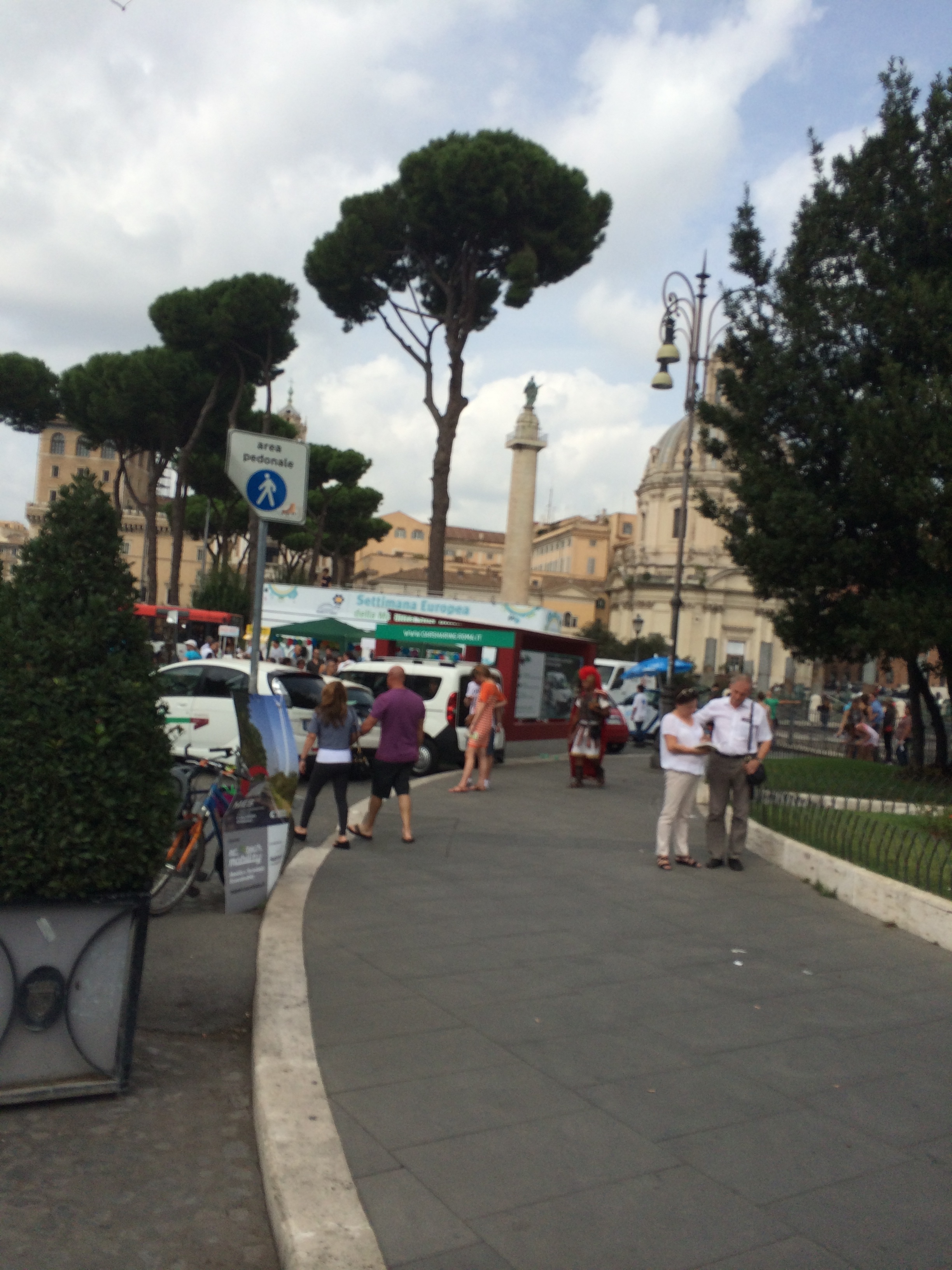
Motor vehicles in Rome’s pedestrian zones to celebrate sustainable mobility (?)
Another week dedicated to Sustainable Mobility, another week of embarrassment and disillusion in Rome. After the press conference at the Campidoglio on Monday I saw:
- the same disorganized and inefficient bus service as always (extra buses, enforced schedules, courteous personnel all would have been great ways to celebrate sustainable mobility!)
- the same pro-auto and anti-legality attitude on the part of city officials (i.e. police encourage cars to pass through red lights, putting pedestrians at risk, to help the traffic flow!)
- the same poorly coordinated communication efforts amongst the associations and the administration (who knew Thursday was “bike to work day”? and how many city officials biked to work apart from the Mayor?)
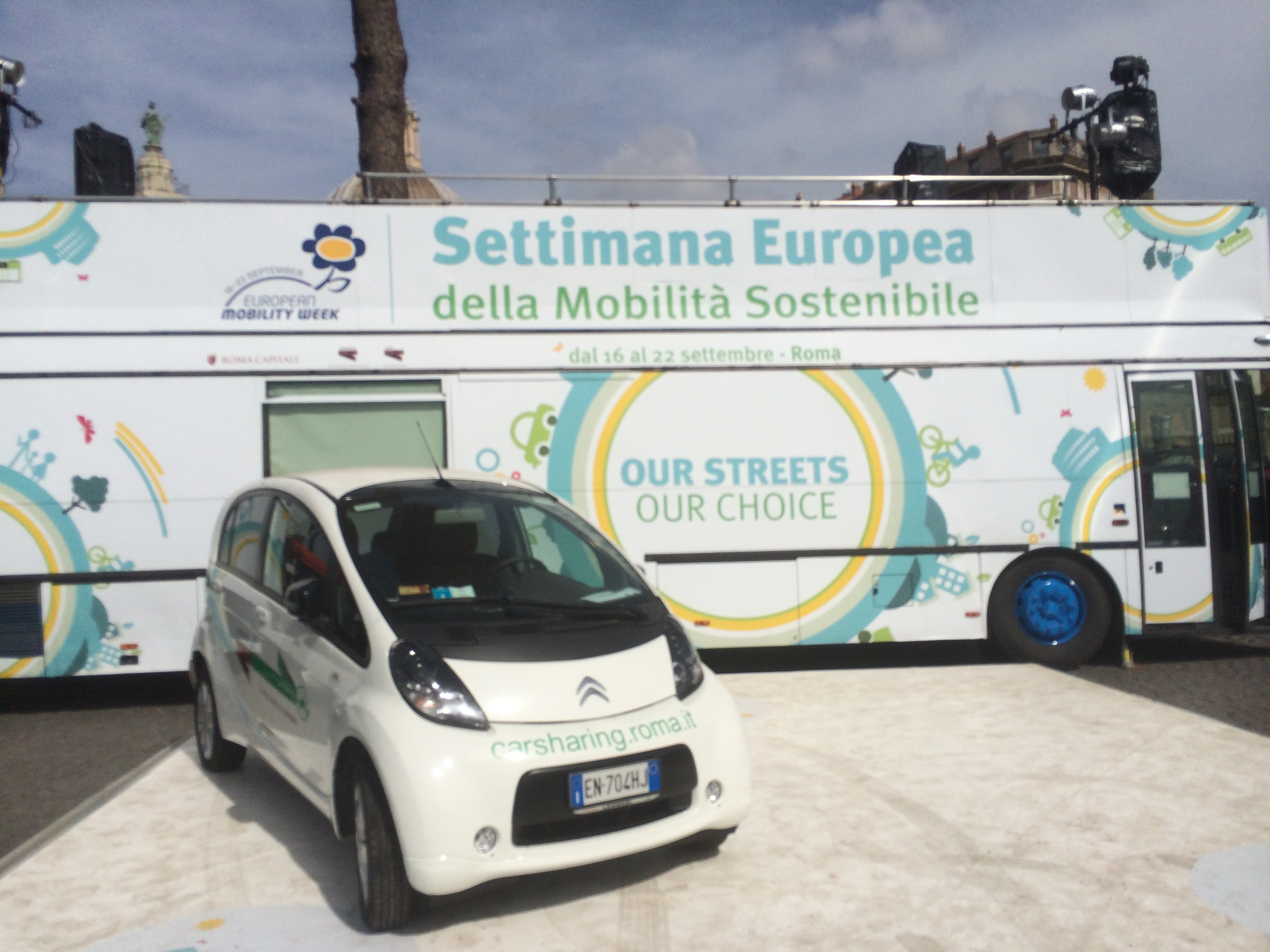
 I attended an event in the pedestrian space by Trajan’s Forum which involved three automobiles advertising “car sharing” programs whose principle selling point is that you can leave your own car parked for free on the streets outside the center and then use a car sharing vehicle to circulate in the city center and park wherever you want. Apparently in Rome “Our Streets Our Choice” means more cars on city streets. The ATAC buses had petroleum-burning generators attached to power the questionable displays and music, marring the otherwise attractive area with both air and acoustic pollution. When I politely asked the staff contracted by ATAC why they were driving a private car in the pedestrian area (honking for me to move my bike) I was threatened with physical violence.
Apparently in Rome “Our Streets Our Choice” means more cars on city streets.
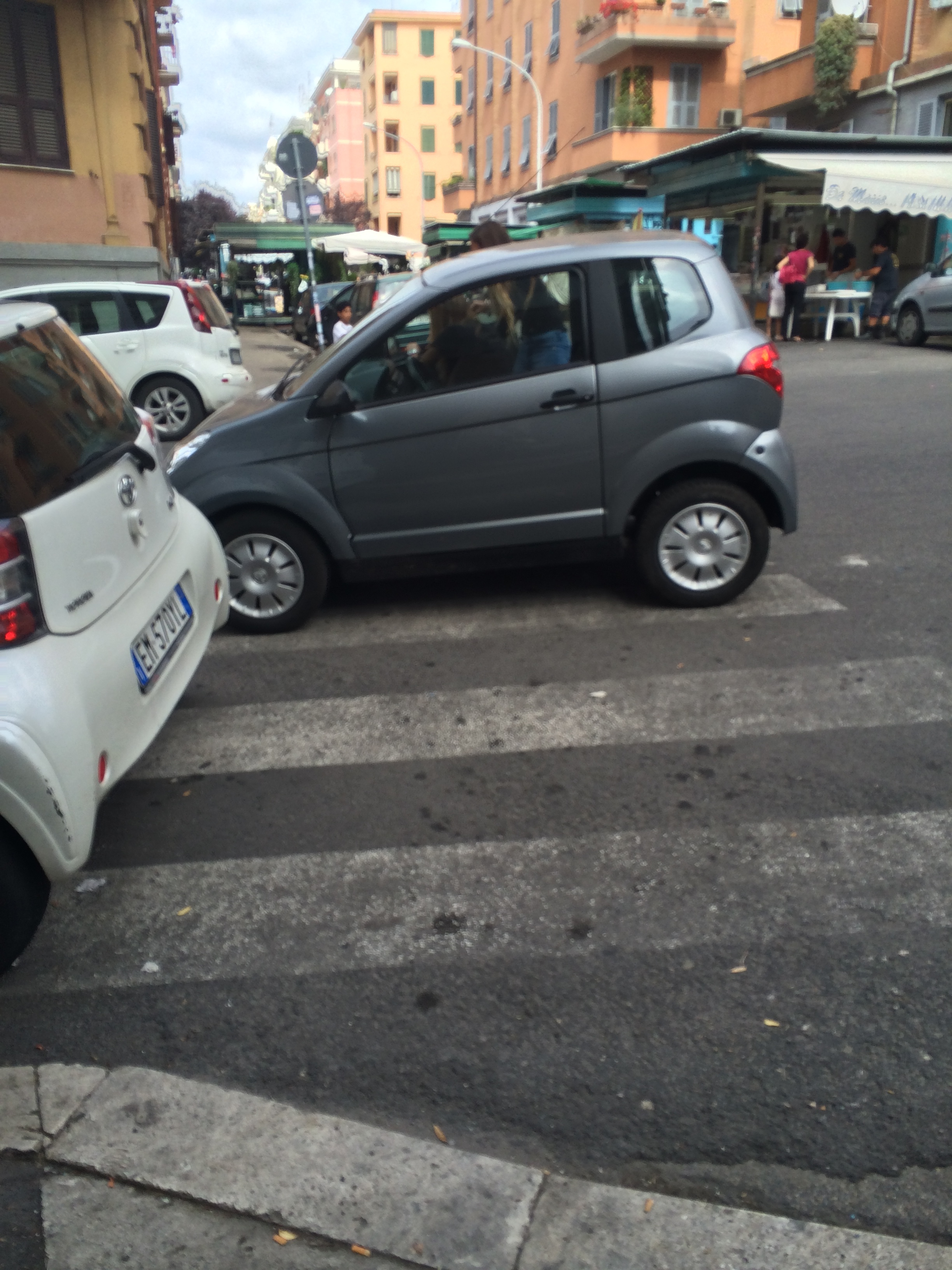
I joined an event dedicated to encouraging urban cycling at which a piazza was made pedestrian for a day but invaded by no less than four police cars and surrounded by streets where cars occupied every conceivable space, sidewalks, crosswalks, double parked (blocking the passage of a public bus 100 meters from Piazza Cucchi). Asked by participants if the police could write up citations for at least some of these violations, they responded that today they were going to be lenient because the cars moved from Piazza Cucchi had to park somewhere after all. During the “bike ride” the police escort held cars at intersections while the few cyclists went through, but ignored dozens of double parked cars on the streets. Wouldn’t it have been preferable to let the cyclists ride normally, stopping at red lights to let traffic pass, and dedicate the limited manpower to enforcing and not suspending traffic laws? Also in my neighborhood I witnessed children double-park a microcar on the pedestrian crossing outside a hair salon, apparently belonging to their parents who, instead of reprimanding the kids defended their uncivil behavior as if it were normal. What is needed is a change of fundamental assumptions by the administration, communicated with clarity and creativity to citizens, but also creative and forceful communication by citizens to get their administration to act.
Cities are for people, not for cars. Rules apply to everyone, and cannot be ignored by people with special privileges. Our shared interest is leaving a better city for our children, not getting ahead in the short term at the cost of the common good. 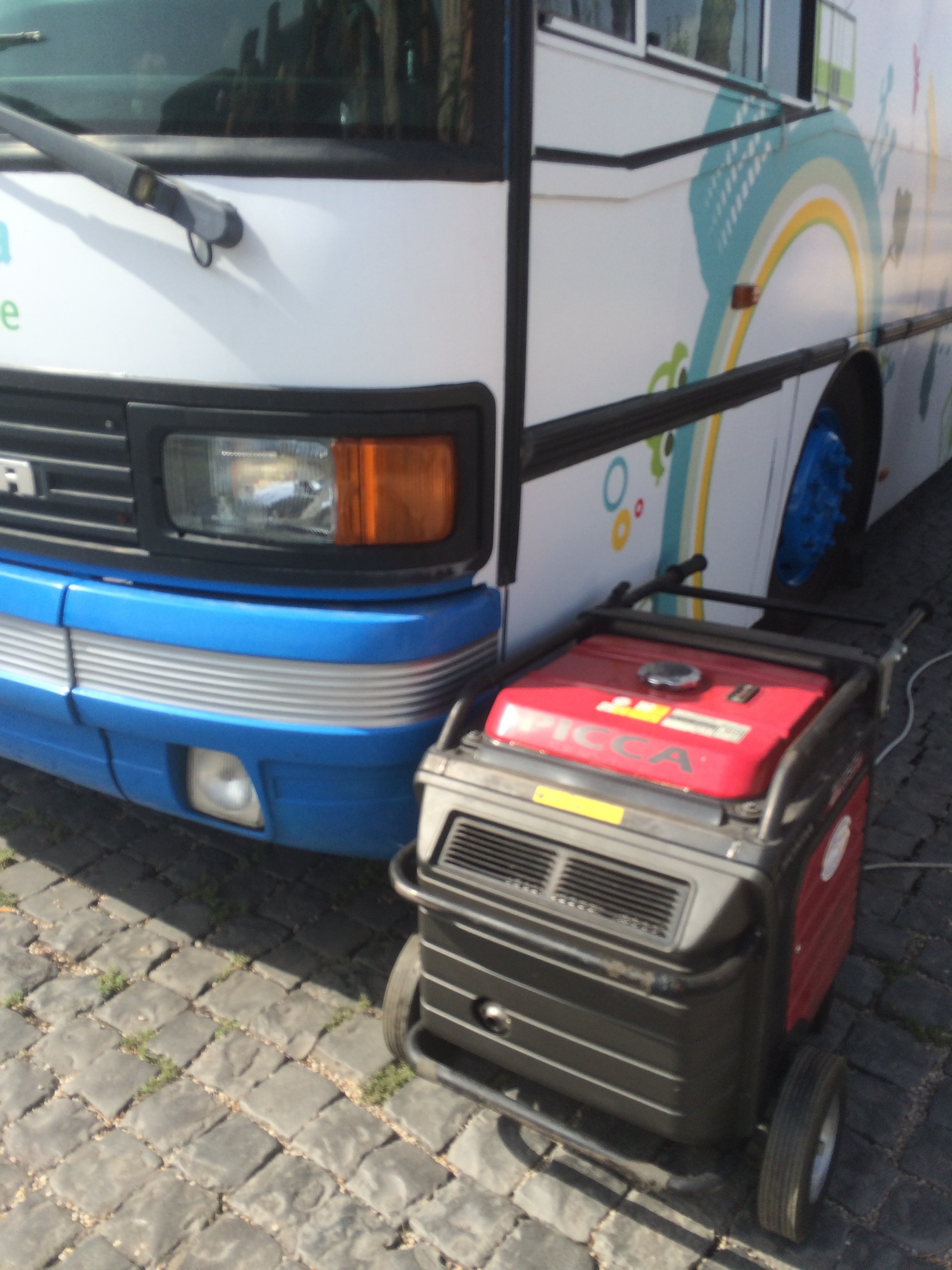
Our shared interest is leaving a better city for our children, not getting ahead in the short term at the cost of the common good.
Engaging Ancient Infrastructure
Rome’s Tiber Riverfront
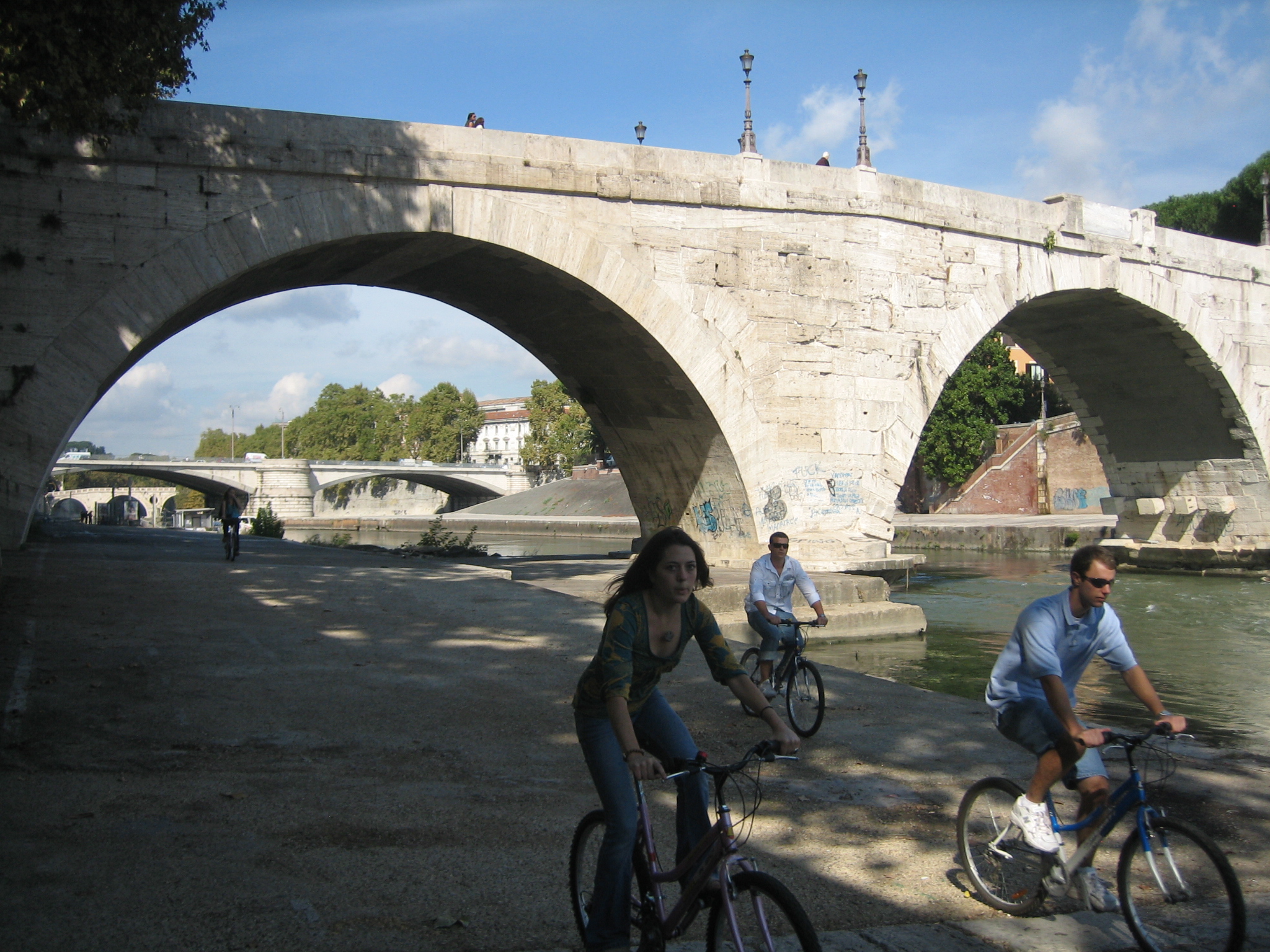
Walking through the caked mud, weeds and scattered refuse which litter the Tiber river’s left bank, you encounter few tourists. High above you, held back by the massive travertine embankment as high as a four-story building, flows a river of cars, trucks, buses and scooters, one of central Rome’s only continuous traffic arteries. The noise of traffic stays up there, surrounding the few tourists who attempt to visit the circular temple of Hercules Victor, the first Roman temple constructed in Greek marble, and the slightly earlier Temple of Portunus, God of the keys, gates, and eventually ports. Most of these adventurers then head to the portico of Santa Maria in Cosmedin, drawn by the mysteriously kitsch appeal of the Bocca della Verità, the ancient (alleged) drain cover in the form of a mask that now sees tourists line up to pose with their hand in its mouth. But a few brave ones dart daringly through the speeding traffic to gaze down into the river.
Where they are standing once stood the sloping riparian banks and later, during the early Republic, bustling port facilities replete with docks, warehouses, and a multitude of temples. Then, in the late 19th century, tired of the frequent floods, the nascent Italian capital undertook the massive public works project that would end the flooding forever. At least that was the idea.
Apart from the occasional jogger or fisherman (fishing for what in this dirty water you ask yourself?) you are alone down here. Ducks and cormorants swim amidst river grasses; Saxifraga and occasional elm trees grow out of the rocky river banks. You may see a nutria, looking something like a large rat or small beaver, a species imported in the fifties from South America for breeding (their meat was thought a delicacy and their fur was used in clothing) but later released into the wild when the farms proved unsuccessful.
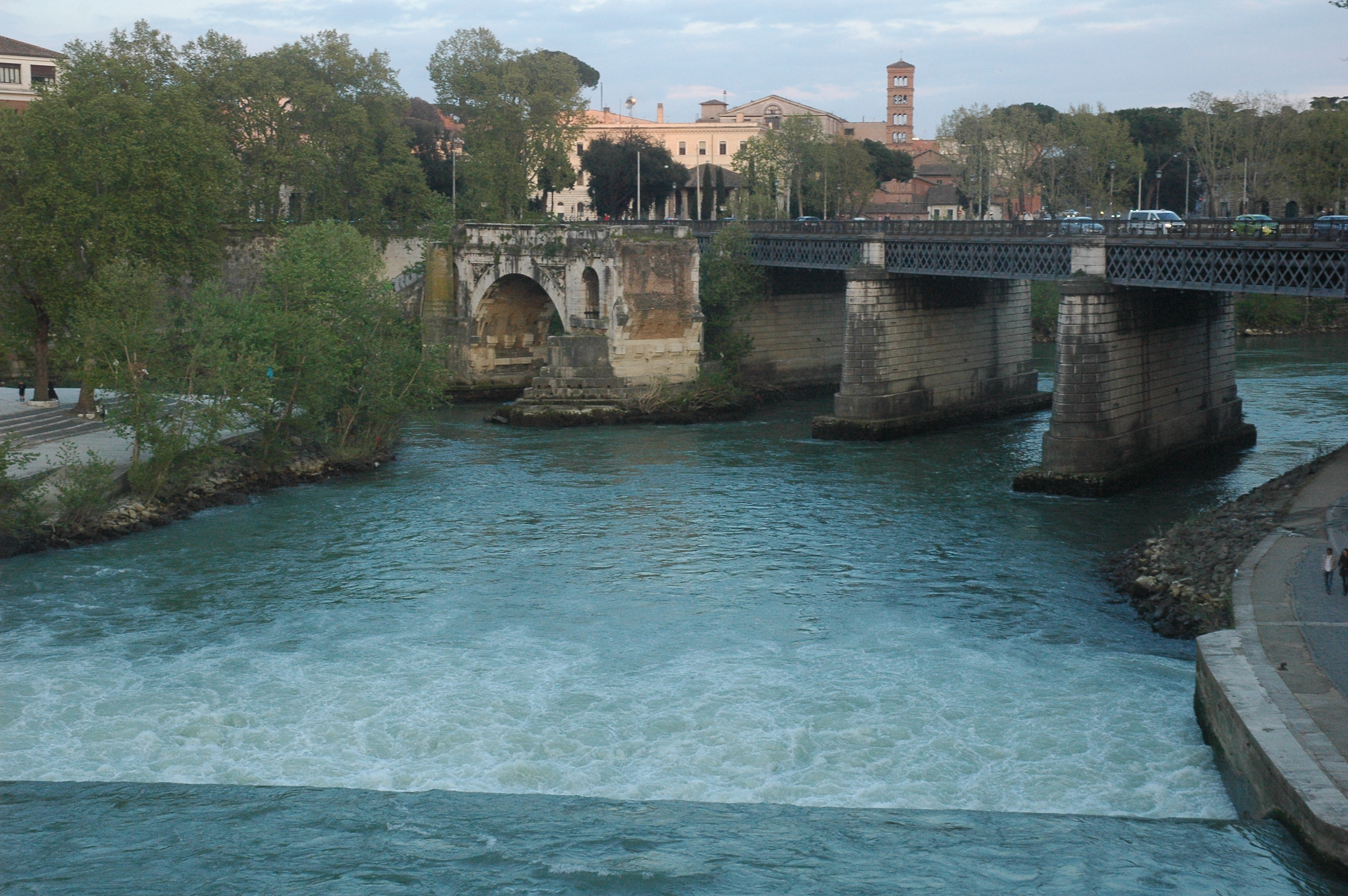
The air is humid, a mist often stirred up by the fast-moving water where the presence of the Tiber Island plugs the river, forming rapids and small waterfalls. Proceeding a little further you pass the remains of the Pons Aemilius (later called Ponte Rotto or broken bridge for reasons which you will find obvious), and then under the high iron trusses of the Ponte Palatino. Before long you encounter a section where the path you are on itself becomes a bridge. Below you the vegetation is far more luxuriant and through it, in the embankment wall, you spy a heavy yellowish-grey stone arch. You have stumbled upon the outlet of ancient Rome’s first permanently engineered structure, the Cloaca Maximus.
Most people expect the first monument of Rome to have been a temple or a palace or perhaps a defensive wall. But the Cloaca Maximus is little more than a mundane sewer pipe. Since the drain’s first construction in the 6th century BCE it has been channeling storm water and runoff from the low-lying wetlands into the Tiber River, leading Lewis Mumford to call it “the world’s most cost-effective public works project.” What better example can one find of smart, sustainable urban infrastructure?
Rome’s Tiber Riverfront
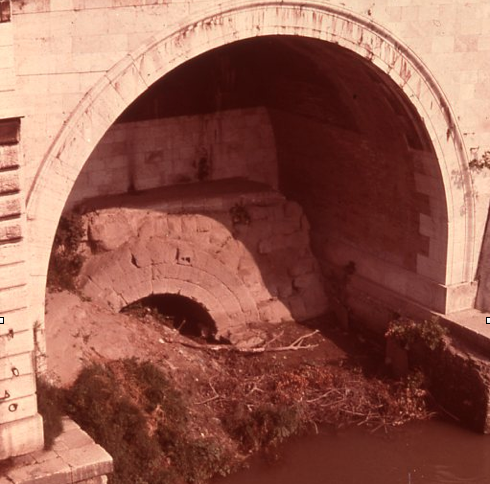
Cloaca Maxima: Rome’s Ancient Sewer
Learning from Bilbao
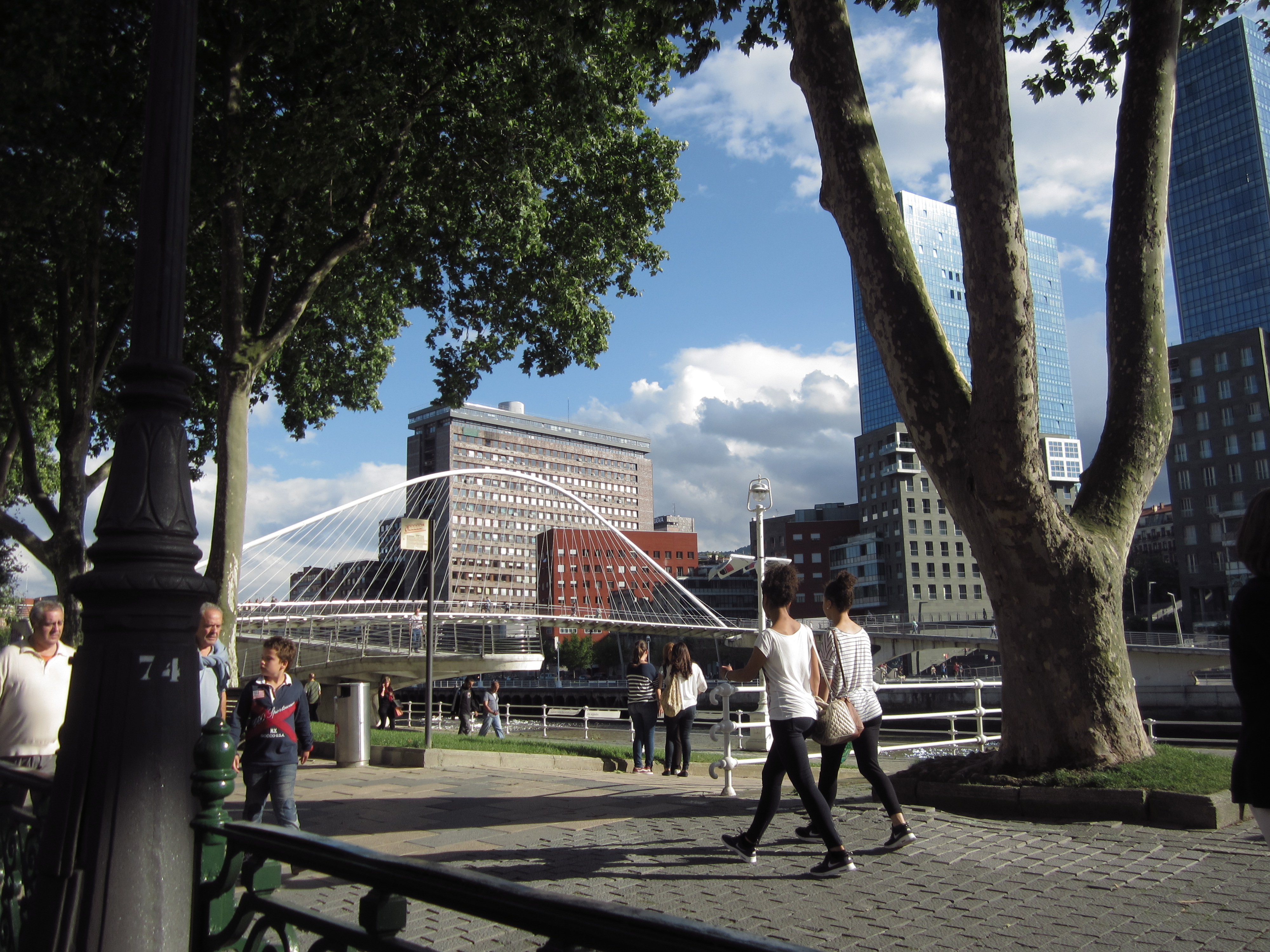
Nervión riverside promenade with Calatrava bridge
A three day trip to Bilbao, Spain reminds me of some simple solutions to apply to Rome. Of course, these are two different cities. Rome has multi-millenial cultural heritage, Bilbao much less. Rome has three times the population, and a much larger tax burden. Oh, and Bilbao is cold and rainy compared to Rome. So, potentially, Rome has more resources and greater attraction, and yet Bilbao is without doubt more livable.
Much has been written about the Bilbao effect, the result of choosing a “starchitect” like Frank Gehry to design a new Guggenheim Museum where a great landmark building and a good international marketing machine make up for a not-so-impressive collection. (Except for Richard Serra that is).
But the Bilbao effect I saw these days was more about public space, sustainable mobility and the rehabilitation of the urban riverfront. All lessons that could be applied to Rome in a few short years remaining in Mayor Marino’s term, if he stays in office.
2013-2014 No change so far but let’s give him the benefit of the doubt, change takes time. It has been surprising, however, to see the same disregard for civic behavior by many civil servants in this administration as the last. I would have thought that enforcing parking and littering laws would have gone into effect on day two of the administration.
2015 All pedestrian zones are cleared of motor vehicles and protected by appropriately designed street furniture. New pedestrian spaces, such as Via dei Fori Imperiali, are furnished with new street furniture, seating, lighting, bike racks, etc. As a result, the average visitors’ stay increases to 3 days.
2016 At the Tiber Riverfront, public competitions for light infrastructure and artistic programming proposed for years by Tevereterno are carried out to revitalize the urban riverfront and create Piazza Tevere as a new cultural magnet for Rome. Traffic along the Lungotevere is reduced, sidewalks are widened, high-quality cultural programming is supported in place of low-quality commercial actives, and the river starts to return to the city as a public space. As a result, the average visitors’ stay increases to 4 days and many young Romans decide to stay and start ventures here rather than emigrating.
2017 A thousand kilometers of new bike paths are created in the city by removing on-street parking, while widening and protecting sidewalks. Car-ownership and traffic mortality drops and Romans start to emerge from their cars and spend money at local businesses again, instead of shopping malls. As a result, the average visitors’ stay increases to 5 days and foreign businesses start to look toward Rome as a respectable city in which to invest.
2018 Six new tram lines are inaugurated and integrated with the existing surface bus system (which has since been contracted to a Swiss company to manage according to a precise schedule) and the Metro system which is now open 24/7 and cleaned by former mid-level managers removed from their office posts for lack of productivity. The city is now a model of resiliency, having rebounded from the near collapse of 2014. Its cultural heritage and world-class public spaces can now be appreciated by all its residents and visitors (including the children, elderly and disabled who in 2014 were unable to use the streets dominated by automobiles).
Note that no big investments or “starchitects” were necessary to bring about this urban renaissance, just an administration with courage and a strategy.
-
- Safe green public spaces
-
- Green mobility
-
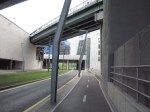
- Green infrastructure
-
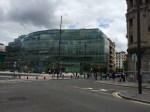
- New zero-carbon architecture and public space
-
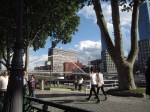
- Nervión riverside promenade with Calatrave bridge
-
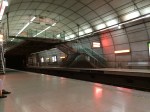
- Norman Foster’s Metro stations
-

- Nervión river
-
- Green space, new buildings, Bilbao
Spring Cleaning along the Tiber
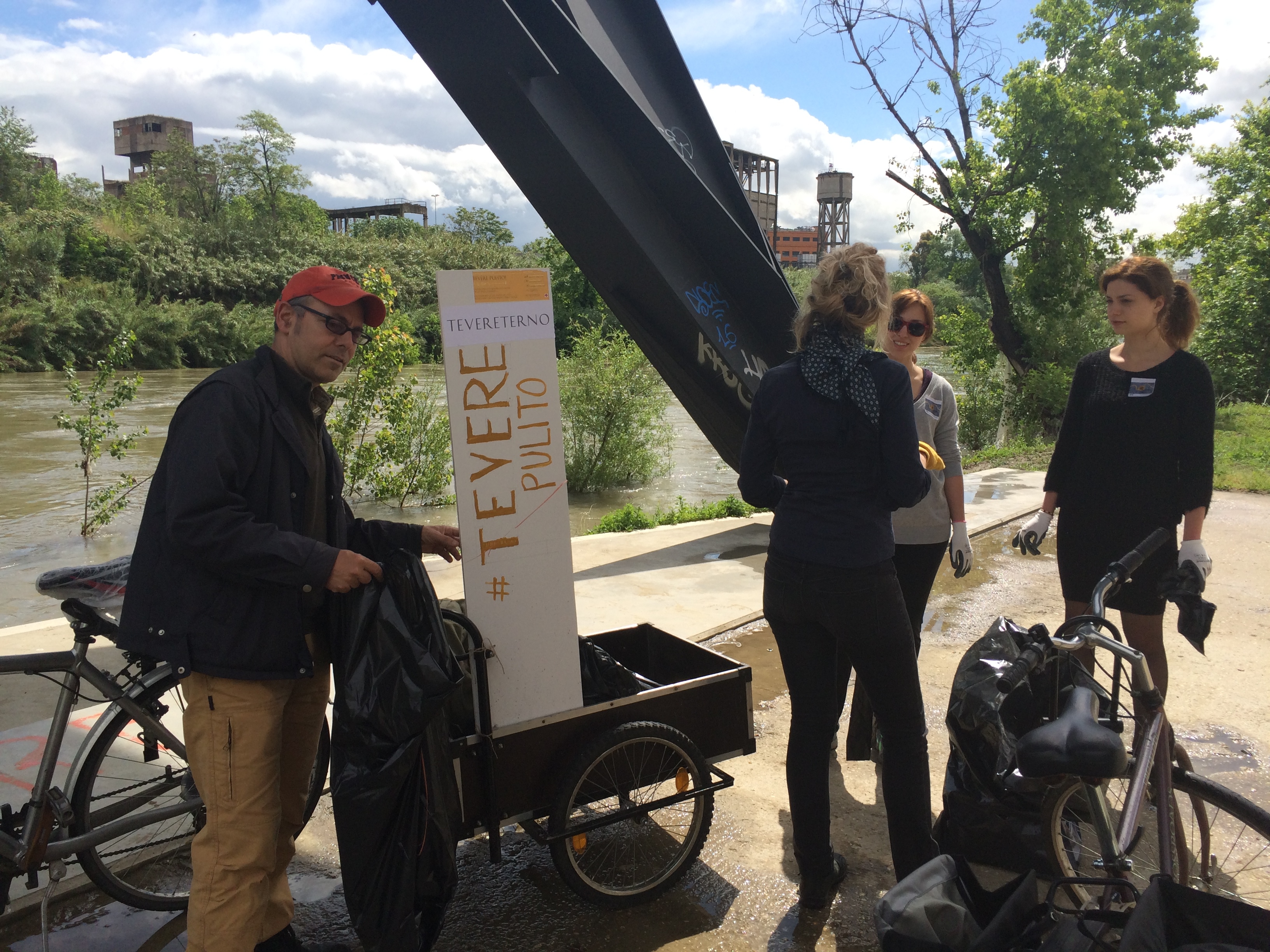
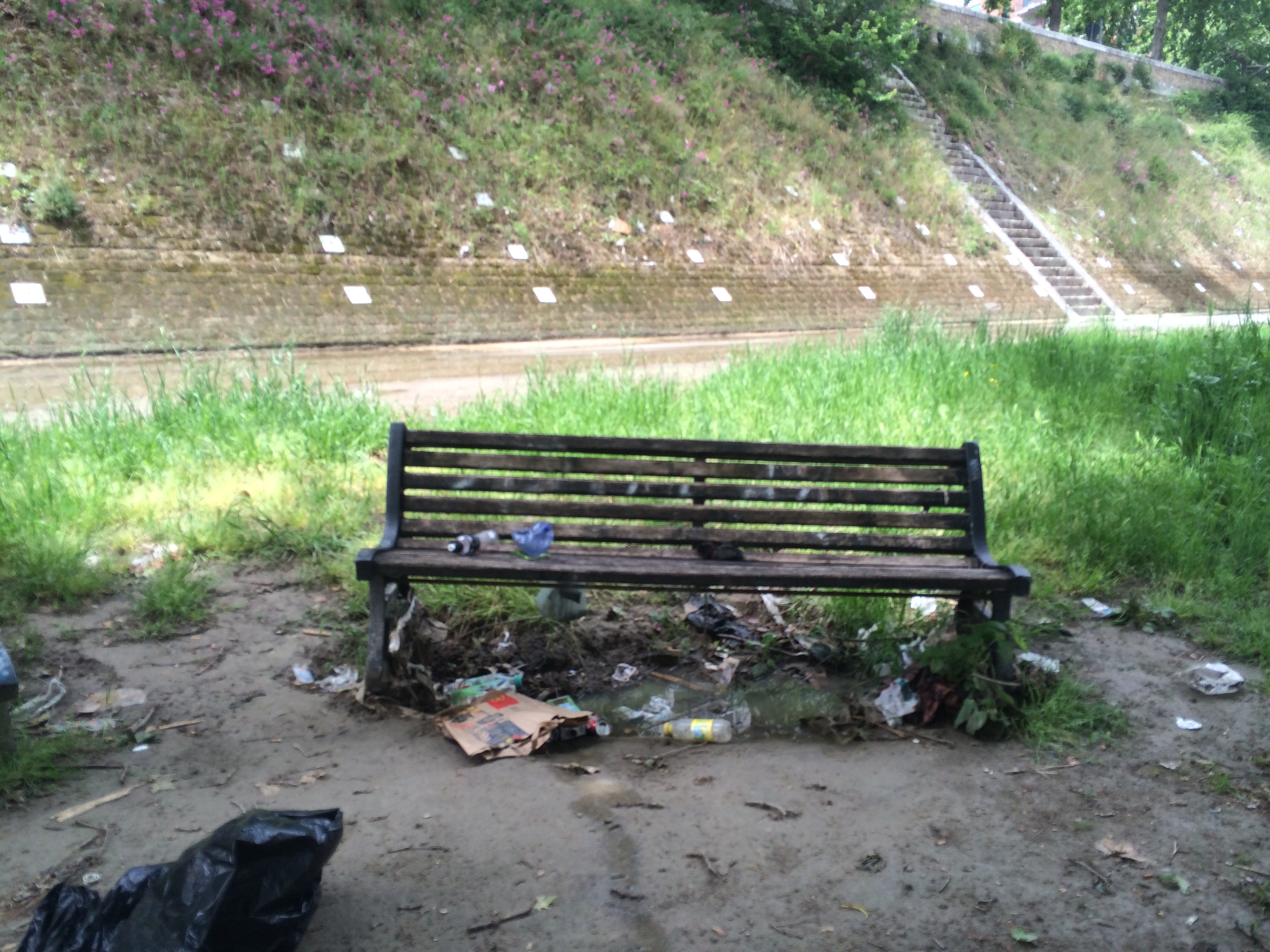
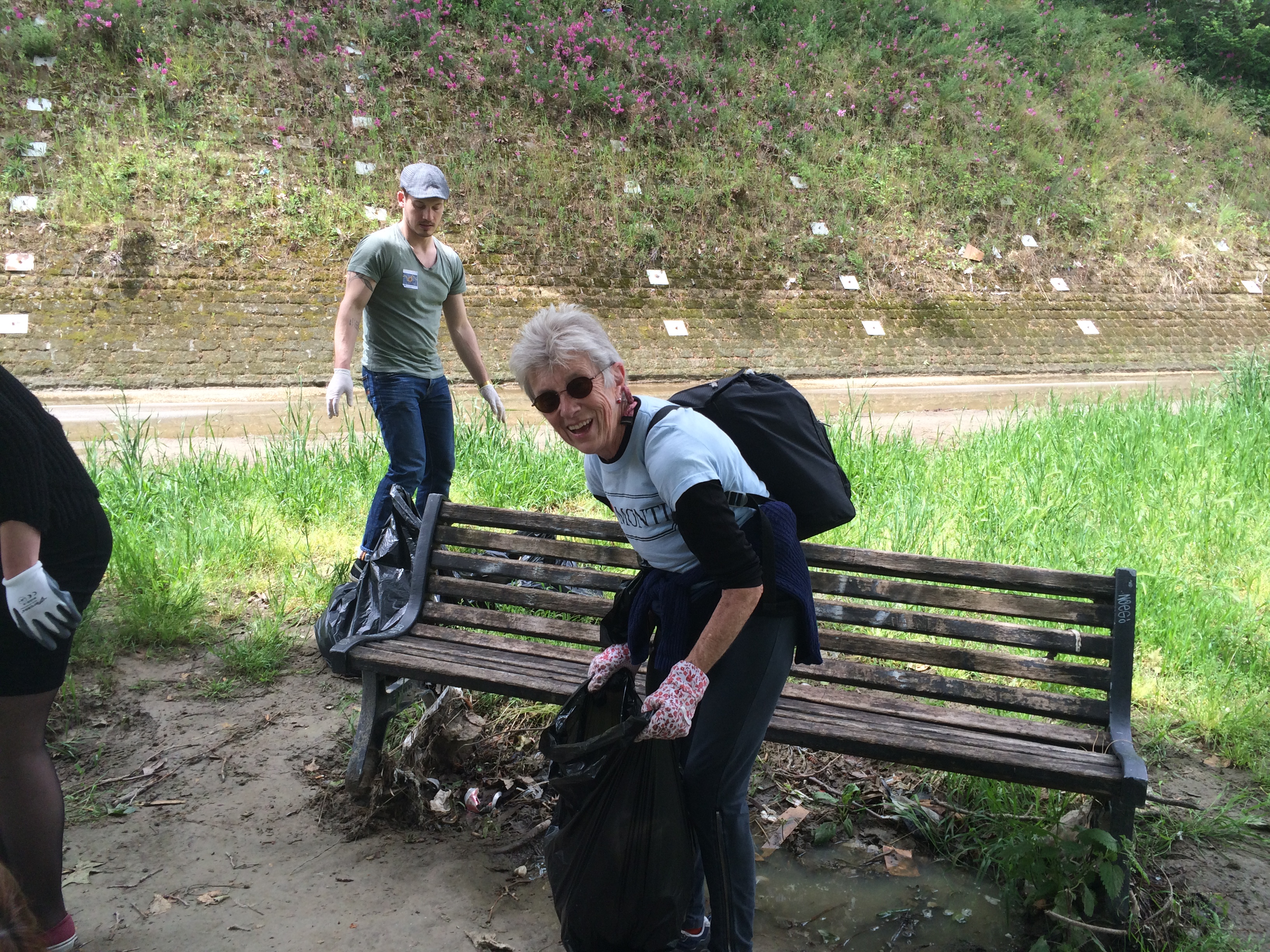
Last Saturday a small group of volunteers turned out to celebrate the cleaning of the Tiber river banks that was carried out last month, and to demonstrate normal civic intentions to keep the river park clean. We brought gloves and trash bags and a bike trailer (thanks to Ciclonauti) to cart away any trash we collected. Despite the best efforts of the city’s waste-management company and others, the river’s edge was still littered with bottles and cans and other detritus.
The event had been scheduled by TEVERETERNO Onlus, the association dedicated to revitalizing Rome’s urban riverfront as a public space for site-specific artistic practices, together with Retake Roma. It had already been rescheduled several times:
- In February, as a parallel event to the Tevereterno presentation at TEDx. But the river was too high and the river banks were flooded.
- April, in agreement with the Mayor’s office and the U.S. Ambassador to Italy. But the mayor cancelled at the last minute because the Mayor of Vienna was in town (and the Ambassador thus cancelled as protocol dictated).
- In mid-April, after having firmed up the date in agreement with the Mayor’s office and the Embassy, the Mayor announced that the river would be cleaned preemptively (actually by social cooperatives financed by the Lazio Region coordinated by AMA). This is when the organizers decided to turn it from a real clean-up into a symbolic celebration of “#teverepulito”, the clean Tiber.
- Finally, yesterday, all was set for the day, Mayor, Ambassador, Councilors, President of Primo Municipio, were all expected to participate.
Early in the morning there was a light rain but by 10:00 it had stopped. But at about the same time the sun came out, a press announcement came in from the mayor’s office saying the event had been called off due to the bad weather. The #teverepulito event was actually not called off at all, but the organizers had to call the Ambassador to explain the Mayor’s decision (and the Ambassador thus cancelled as protocol dictated).
It would be easy to chalk this up to the cultural differences between Italians and the rest of the world–the “fear of weather” that has the city announcing emergency shutdowns when it rains for more than an hour. But the experience also speaks of a more interesting phenomenon, almost an embarrassment on the part of the administration about its river.
Even in the center of Rome the Tiber is a no-man’s land, a hinterland in the middle of the metropolis.
The day before #teverepulito Roma fa Schifo published a series of photos of syringes on the steps leading to the riverbanks. It is easy to point to the river’s blight, but people are only now starting to rediscover the river’s beauty. Which makes it all the more fascinating, and all the more worthy of attention.
 SUSTAINABLE ROME