SustainableRome Blog Supports #salvaiciclisti

Throughout Europe appeals are going out to Mayors and administrators to sign the 8 points for cycling safety promoted by the Times. Here is the Italian letter, in this case appealing to Rome’s Mayor Gianni Alemanno. In this second phase the points have become ten, including an appeal to the mayor to set a good example by bicycling to work (something I suggested in a previous post).
Caro Sindaco,
Come avrà già avuto modo di apprendere dalle notizie degli ultimi giorni, l’Italia si posiziona al terzo posto in Europa per mortalità in bicicletta. Negli ultimi 10 anni, ben 2.556 ciclisti hanno perso la vita sulle nostre strade ed è per porre freno a questa situazione che due settimane or sono abbiamo lanciato in Italia la campagna#salvaiciclisti con cui abbiamo chiesto al Parlamento italiano l’applicazione degli 8 punti del Manifesto del Times.
In questi i giorni il Parlamento sta facendo la propria parte ed una proposta di legge sottoscritta da (quasi) tutte le forze politiche è pronta per la presentazione alla Camera e al Senato.
Senza il suo preziosissimo contributo di amministratore locale, però, anche la migliore delle leggi rischia di restare lettera morta ed è per questo che siamo a chiedere la sua adesione alla campagna #salvaiciclisti per il miglioramento della sicurezza dei ciclisti nella sua città.
Aderendo a #salvaiciclisti si impegnerà quindi a:
1. Garantire l’applicazione a livello locale degli 8 punti del Manifesto del Times per le aree di competenza comunale,
2. Formulare le opportune strategie per incrementare almeno del 5% annuo gli spostamenti urbani in bicicletta nei giorni feriali,
3. Contrastare il fenomeno del parcheggio selvaggio (sulle strisce pedonali, in doppia fila, in prossimità di curve ed incroci, sulle piste ciclabili),
4. Far rispettare i limiti di velocità stabiliti per legge e istituire da subito delle “Zone 30″ e “zone residenziali” nelle aree con alta concentrazione di pedoni e ciclisti,
5. Realizzare, qualora mancante, un Piano Quadro sulla Ciclabilità o Bici Plan,
6. Monitorare e ridisegnare i tratti più pericolosi della città per la viabilità ciclistica di comune accordo con le associazioni locali,
7. Redigere annualmente un documento pubblico sullo stato dell’arte nel proprio comune di competenza della viabilità ciclabile indicando i risultati dell’anno appena trascorso e gli obiettivi futuri,
8. Dotare ogni strada di nuova costruzione o sottoposta ad interventi straordinari di manutenzione straordinari con un percorso ciclabile che garantisca il pieno comfort del ciclista,
9. Promuovere una campagna di comunicazione per sensibilizzare tutti gli utenti della strada sulle tematiche della sicurezza,
10. Dare il buon esempio recandosi al lavoro in bicicletta per infondere fiducia nei cittadini e per monitorare personalmente lo stato della ciclabilità nella sua città
È perché riteniamo che la campagna #salvaiciclisti sia dettata dal buon senso e da una forte dose di senso civico che chiediamo un suo contributo affinché anche in Italia il senso civico e il buon senso prendano finalmente il sopravvento.
Chiunque volesse contribuire al buon esito di questa campagna può condividere questa lettera attraverso Facebook, attraverso il proprio blog o sito, attraverso Twitter utilizzando l’hashtag#salvaiciclisti e, ovviamente, inviandola via mail al sindaco della propria città e ai sindaci delle città capoluogo di regione.
Puoi scaricare da qui la lista degli indirizzi mail delle città capoluogo
Se non conosci l’indirizzo mail del tuo sindaco, puoi trovarlo a questo sito
Il gruppo su Facebook sta aspettando nuove idee per continuare la campagna.
Hanno lanciato la seconda fase della campagna #salvaiciclisti:
- piciclisti.wordpress.com
- amicoinviaggio.it
- rotafixa.it
- biascagne-cicli.it
- nuovamobilita.wordpress.com
- mazzei.milano.it
- www.ediciclo.it
- www.ciclomundi.it
- festinalente.ztl.eu
- milanonmybike.blogspot.com
- areabici.blogspot.com
- greenMe.it (www.greenme.it)
- www.bicizen.it
- Fiab-onlus.it
- LifeGate.it
- lifeintravel.it
- Lucaconti.blogspot.com
- www.raggidistoria.com
- Associazione ciclonauti
- riky76omnium.wordpress.com
- 34×26.wordpress.com
- ilikebike.org
- rotalibra.wordpress.com
- mammiferobipede.wordpress.com
- Urbancycling.it
- biciebasta.com
- muoviequilibri.blogspot.com
- confindustrial.noblogs.org
- ciclistica.it
- milanox.eu
- Casertainbici
- sustainablerome.net
- wildpigs.it
- gherociclo- gheroarte.com
- http://www.magociclo.blogspot.com/
- http://ciclofficinabc.blogspot.com/
- anconasocialclub
- http://cicloappuntamenti.forumfree.it/
- Propulsione Umana http://www.propulsioneumana.it/
- http://anemmuinbiciazena.wordpress.com/
- www.ecocorner.it
Peak Auto in Barcelona and Rome
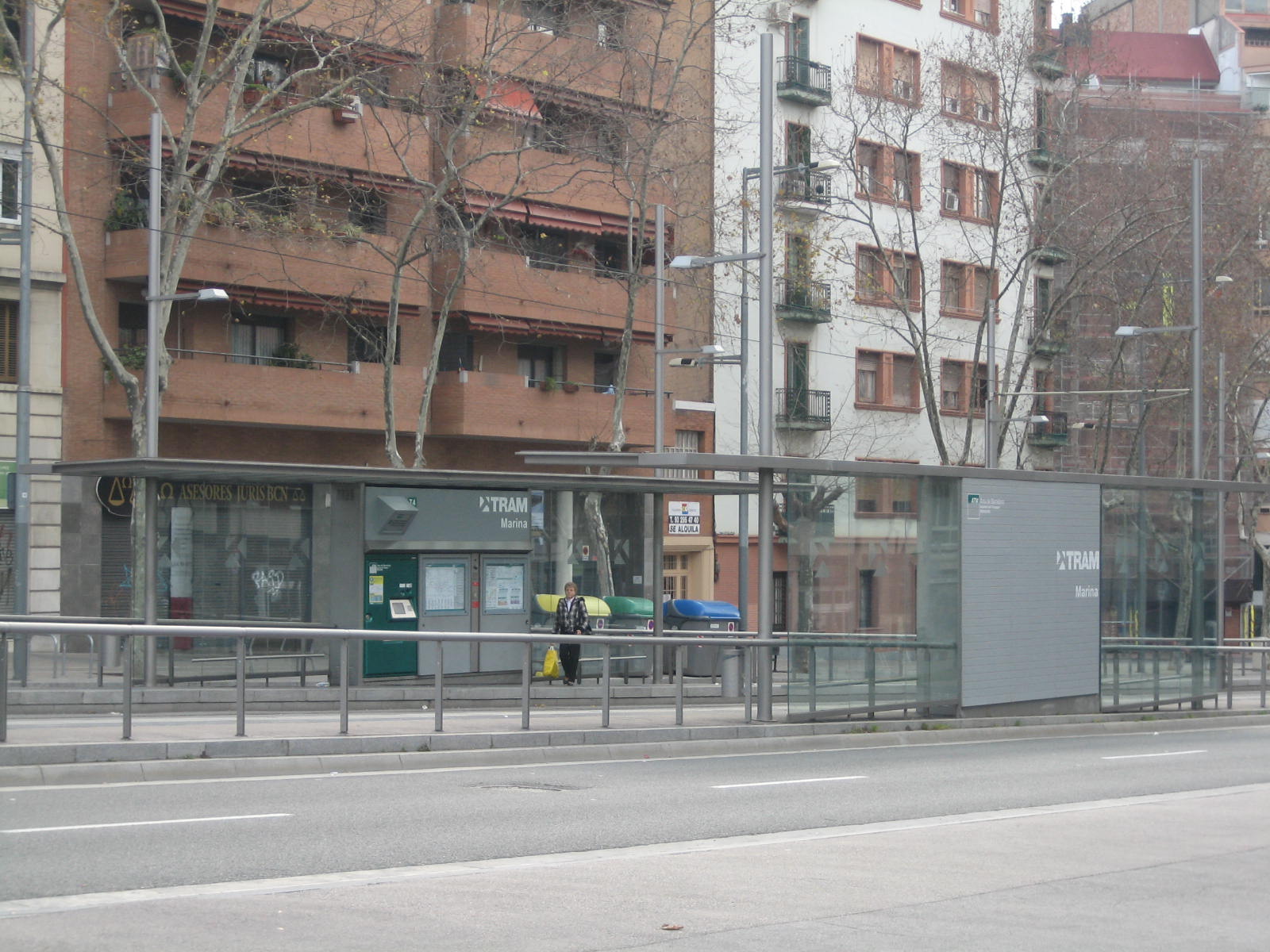
In Barcelona this weekend I was particularly attentive to transportation, to the function of transit in rejuvenating this great Mediterranean city. In the Catalan capital, unlike Rome, it is clear that the moment of what Newman and Kenworthy call “Peak Car Use” has come. There are far fewer cars on the streets than there were 20 years ago when I first visited, and a majority of the streets of the historical district are completely free of motor vehicles. Where there are cars, they are parked neatly below ground or in a few appointed on street spaces. The global effect on the city is that mobility is a reality of every day life, not a challenge to be avoided whenever possible. The local effect is that the city’s public places are not dominated by private automobiles as they are in Rome, but kept free and safe for people.
How did Barcelona achieve this? A modern metro, yes, but also a decent bus system with dedicated lanes and well-designed, well-informed bus stops, trams, funiculars, and a world-famous bike sharing system that works. The key is an integrated system using technology wisely.
Is it perfect? In 4 days I experienced a few glitches. I waited for a bus that never came, apparently because of a demonstration, and had my valid bus pass refused by a machine (demagnetized perhaps) but replaced by friendly transit officials. I would have liked to try the bike-sharing system but it is aimed at residents only, unlike the one in Minneapolis that anyone with a credit card could use. On the whole, it was adequate and in some cases, like the smooth, silent tram that glides down Diagonale, it was exceptional.
Is such a vision possible for Rome? It’s easy to point to the structural problems of Rome’s archaeology and history and geology and accept defeat, but the fact is that all these problems could be overcome if only we could sweep aside corruption and incompetence and vote or hire administrators capable of the task. As they did in Barcelona, resulting in rejuvenation, a lot of new construction which is fantastic to see (and use because much of it is public and shared). The advances made in Barcelona, to its transit and otherwise, are good for the city, and usually, not always, done with the participation of citizens.
Returning to Rome it is exciting to anticipate that these improvements will take place here and this generation of professionals, activists, and administrators– those who opt not to abandon ship and head for more advanced cities like Barcelona or London– will be here to make it happen. My videos from Barcelona are now available at the sustainable rome youtube channel
Update on Metro C
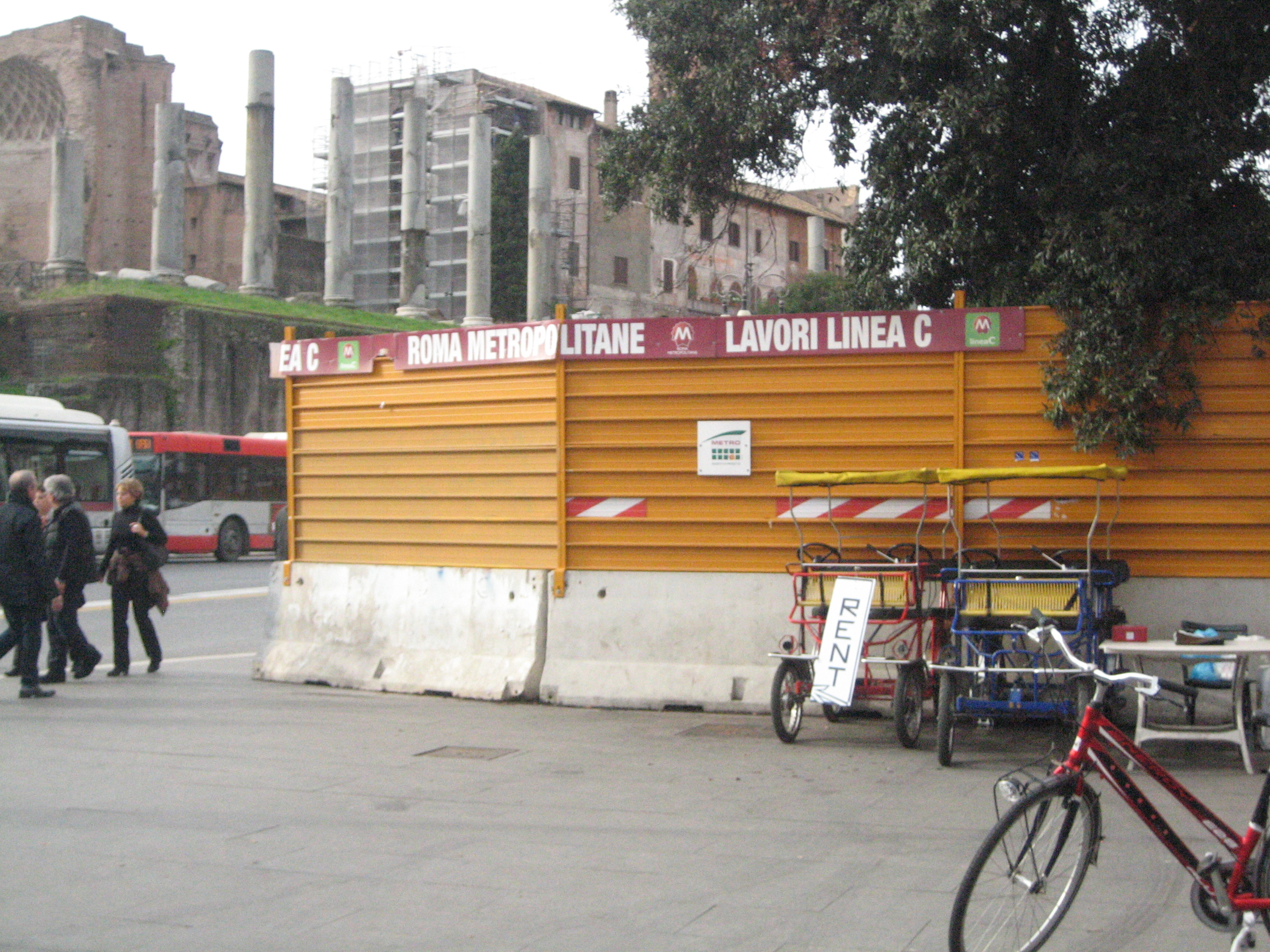
After the recent publication the findings of Italy’s Auditor’s (Corte dei Conti), discussion of the Metro C fiasco has been fervent. As an Addendum to my post here, I am adding several links for further information.
A short Italian-language news documentary on TS Inchieste explains succinctly the situation and interviews Prof. Antonio Tamburrino concerning the alternatives he has been proposing for years. Principle message: a project which was originally to have been inaugurated during the 2000 Jubilee is still nowhere near complete. As progress has slowed, costs have skyrocketed, primarily due to frequent changes in plans during construction.
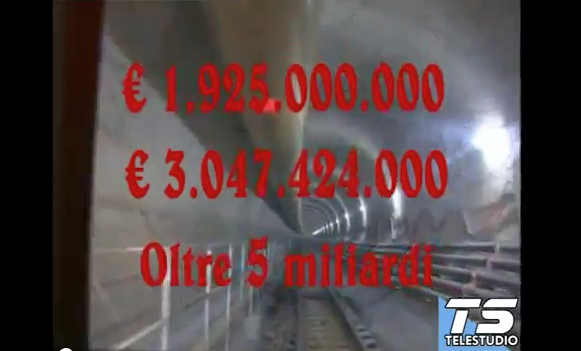
Rome’s English-language newspaper Wanted in Rome has also picked up on the story, publishing yesterday a short piece (with links back to my own blog and videos). It quotes Audit Court president Luigi Giampaolino calling the Metro C “the most expensive and slowest public works project in Europe and the world”. They have asked me to write a piece on the eternal city’s transit challenges which I hope to have by the end of the month.
In the meantime, the videos I produced to share Prof. Tamburrino’s observations about transit in Rome are live on YouTube with English CC subtitles. Part One discusses the history of Rome’s transit predicament and explains why it is essential to start with a strategic plan that introduces modern mobility technologies to connect the life of the contemporary city back to its historical roots. Part Two starts to delineate his proposal for Mobilità 3.0, a smart, effective solution which achieves the following goals:
- liberation of the historical center from private automobiles to transform it and its many historical assets into a dynamic setting for 21st century life
- the restoration of the Tiber and its riverscape from Tor de Quinto to Ostia as an useable (navigable) ecological, cultural resource.
- the completion of and creation of efficient bypass “rings” to facilitate the flow of private traffic around, not through, the center of Rome.
- the construction of new generation light-rail and/or rubber-tyred trams so as to provide complete coverage of central Rome and integrate an efficient public transit solution around the existing ring road and from the ring to the center
- the completion of rail lines where possible to complete the strategy.
I am off to Barcelona this week with students, seeking inspiration from a Mediterranean city which took decisive steps to solve its traffic issues with great success.
Cycling Safe
This is a bilingual post in that I am re-blogging a campaign to promote in Italy the same cycling safety initiative recently launched by the Times of London. Here are the 8 points in English (and below the Italian letter to newspapers asking them to promote a similar campaign).
The Times has launched a public campaign and 8-point manifesto calling for cities to be made fit for cyclists:
- Lorries entering a city centre should be required by law to fit sensors, audible turning alarms, extra mirrors and safety bars to stop cyclists being thrown under the wheels.
- The 500 most dangerous road junctions must be identified, redesigned or fitted with priority traffic lights for cyclists and Trixi mirrors that allow lorry drivers to see cyclists on their near-side.
- A national audit of cycling to find out how many people cycle in Britain and how cyclists are killed or injured should be held to underpin effective cycle safety.
- Two per cent of the Highways Agency budget should be earmarked for next generation cycle routes, providing £100 million a year towards world-class cycling infrastructure. Each year cities should be graded on the quality of cycling provision.
- The training of cyclists and drivers must improve and cycle safety should become a core part of the driving test.
- 20mph should become the default speed limit in residential areas where there are no cycle lanes.
- Businesses should be invited to sponsor cycleways and cycling super-highways, mirroring the Barclays-backed bicycle hire scheme in London.
- Every city, even those without an elected mayor, should appoint a cycling commissioner to push home reforms.
Cyclists killed in 10 years in Britain= 1.275
Cyclists killed in 10 years in Italy= 2556
Gentili direttori del Corriere della Sera, Repubblica, La Stampa, Gazzetta dello Sport, Corriere dello Sport, Il Messaggero, Il Resto del Carlino, il Sole 24 Ore, Tuttosport, La Nazione, Il Mattino, Il Gazzettino, La Gazzetta del Mezzogiorno, Il Giornale, Il Secolo XIX, Il Fatto quotidiano, Il Tirreno, Il giornale di Sicilia, Libero, La Sicilia, Avvenire.
La scorsa settimana il Times di Londra ha lanciato una campagna a sostegno delle sicurezza dei ciclisti che sta riscuotendo un notevole successo (oltre 20.000 adesioni in soli 5 giorni).
In Gran Bretagna hanno deciso di correre ai ripari e di chiedere un impegno alla politica per far fronte agli oltre 1.275 ciclisti uccisi sulle strade britanniche negli ultimi 10 anni. In 10 anni in Italia sono state 2.556 le vittime su due ruote, più del doppio di quelle del Regno Unito.
Questa è una cifra vergognosa per un paese che più di ogni altro ha storicamente dato allo sviluppo della bicicletta e del ciclismo ed è per questo motivo chiediamo che anche in Italia vengano adottati gli 8 punti del manifesto del Times:
1. Gli autoarticolati che entrano in un centro urbano devono, per legge, essere dotati di sensori, allarmi sonori che segnalino la svolta, specchi supplementari e barre di sicurezza che evitino ai ciclisti di finire sotto le ruote.
2. I 500 incroci più pericolosi del paese devono essere individuati , ripensati e dotati di semafori preferenziali per i ciclisti e di specchi che permettano ai camionisti di vedere eventuali ciclisti presenti sul lato.
3. Dovrà essere condotta un’indagine nazionale per determinare quante persone vanno in bicicletta in Italia e quanti ciclisti vengono uccisi o feriti.
4. Il 2% del budget dell’ANAS dovrà essere destinato alla creazione di piste ciclabili di nuova generazione.
5. La formazione di ciclisti e autisti deve essere migliorata e la sicurezza dei ciclisti deve diventare una parte fondamentale dei test di guida.
6. 30 km/h deve essere il limite di velocità massima nelle aree residenziali sprovviste di piste ciclabili.
7. I privati devono essere invitati a sponsorizzare la creazione di piste ciclabili e superstrade ciclabili prendendo ad esempio lo schema di noleggio bici londinese sponsorizzato dalla Barclays
8. Ogni città deve nominare un commissario alla ciclabilità per promuovere le riforme.
Cari direttori, il manifesto del Times è stato dettato dal buon senso e da una forte dose di senso civico. È proprio perché queste tematiche non hanno colore politico che chiediamo un contributo da tutti voi affinché anche in Italia il senso civico e il buon senso prendano finalmente il sopravvento.
Vi chiediamo di essere promotori di quel cambiamento di cui il paese ha bisogno e di aiutarci a salvare molte vite umane.
Chiunque volesse contribuire al buon esito di questa campagna può condividere questa lettera attraverso Facebook, attraverso il proprio blog o sito, attraverso Twitter utilizzando l’hashtag #salvaiciclisti e, ovviamente, inviandola via mail ai principali quotidiani italiani.
Scarica qui la lista degli indirizzi mail.
Tutti gli aderenti all’iniziativa saranno visibili sulla pagina Facebook: salviamo i ciclisti
Hanno aderito all’iniziativa:
- piciclisti
- amicoinviaggio.it
- 34×26.wordpress.com
- rotalibra.wordpress.com
- frrfrc.blogspot.com
- wildpigs.it
- riky76omnium.wordpress.com
- bicizen.it
- urbancycling.it
- lastazionedellebiciclette.com
- rotafixa.it
- americancyclo.wordpress.com
- biciclettedecadence.blogspot.com
- mtb-forum.it
- bdc-forum.it
- lifeintravel.it
- milanonmybike.blogspot.com
- ditrafficosimuore.org
- raggidistoria.com
- ediciclo.it/blog
- pedalopolis.org
- ciclomobilisti.it
- Forum Indipendente Biciclette Elettriche, Pieghevoli e Utility
- casbahcicloclub.com
- ilikebike.org
- bikeride.it
- bicisnob.worldpress.com
- bicicebasta.com
- muoviequilibri.blogspot.com
- festinalente.ztl.eu
- rotazioni
- pisteciclabili.com
- ciclistilombardianonimi.blogspot.com
- ciclospazio.it
- ciclonauti
Underground Rome (Metro C gets an F)
This week Italy’s Corte dei Conti (whose principal role is to safeguard public finance) published its observations on the C-line of the metro. In the 22-year history of the project, costs have skyrocketed, work has been slow, and the project has undergone countless changes. According to experts, this all could have been avoided if, instead of insisting on a misguided strategy which focused solely on one subway line, Rome had instead considered an integrated transit solution. And, if instead of adopting 20th century heavy rail technology incompatible with Rome’s particular archaeological heritage, it had opted for more innovative alternatives.
Counter proposals existed; in 1995 the national government put together a proposal based on light-weight, automated technology, a project which was approved, financed and then ignored. Professionals like engineer Antonio Tamburrino have for years been battling for a more appropriate solution to Rome’s mobility challenge. Tamburrino’s ideas are the focus of a series of videos Studio Rome has produced, to be released on-line in coming months. We are also planning a dedicated web site which will serve as a multi-lingual, international forum for discussion of transportation (and other issues of sustainable urbanism) in Italy’s capital. Advance viewing of the work in progress is available on my YouTube channel (with English captions available by activating “CC” at bottom): Part 1 and Part 2.
Buses as Fixtures
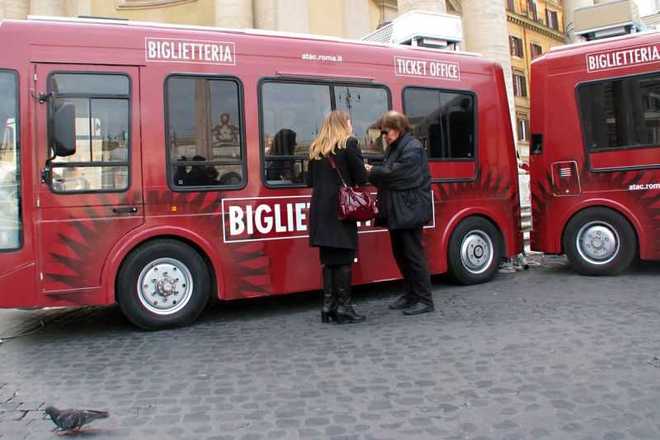
image courtesy of il Messaggero
I just viewed a news video about a new project by Rome’s public transit company, ATAC, for “mobile ticket kiosks” and have a few thoughts to share.
The main task of ATAC is to help people get around the city, in order to free up city streets from private automobile traffic which has devastated it for years. Dedicating electric buses to a fixed function, occupying public space doesn’t further these aims. In the photo above, these buses literally create a wall across the “pedestrian” space of Piazza del Popolo. In fact, buses should never be fixtures, but rather always on the move fulfilling their principle function of mobility. A big problem with Rome’s buses is that spend most of their time stopped, in deposit areas or at capolinea, terminal stops, where they serve only to occupy valuable space and create visual pollution. Could it be that since ATAC makes more money from advertising on the sides of buses than from tickets it’s cost effective to just park buses in public areas?
As for the ticketing system, I always thought it worked pretty well. If you use transit regularly (and any resident of Rome should be practically forced to do so by proper disincentives toward private vehicles) you buy a yearly or at least monthly pass and think no more of it. If you are from out of town you probably arrive by train or plane and one of the first things you do is go to the fixed ATAC kiosk at the station or airport where you pick up a route map and buy a 3-day, 1-week, or other pass. That’s where ATAC’s customer service efforts should go, making sure these fixed kiosks are visible and well-staffed.
If, like me, you generally get around by bicycle or on foot but occasionally use public transit you simply stop by a Tabaccaio or Giornalaio and buy a bunch of single tickets and keep them in your wallet to use when needed. These shops are already there, already providing services, and selling tickets helps attract customers for their other products, a win-win situation. If tourists don’t know where to get them or how to use them, better information should be made available. Not new, confusing places to buy tickets, which might be there one day but when you think you’ve learned where to get a ticket you go back only to find it has moved. That doesn’t make sense at all.
To quote my American architecture students who just reported on their impressions yesterday, public transit in Rome is still confusing, frustrating and slow. Too often the wait for a bus is longer than the time it takes to walk. Schedules are not enforced, buses come sporadically, often two at a time after long delays. The ATAC Mobile system which promises to use gps to track buses in real time, allowing you to verify waiting times, would be great if a. it really worked all the time instead of shutting down at night and b. it provided information about a functioning system (“the next bus will leave in 3 minutes”) and not a dysfunctonal one (“no buses”, which is what I often see when I check, or, right now on the 44 line “Bus terminus (dep. 9:35 AM)” which is great except the time stamp on the message is 9:45!).
Customer care is important, but doesn’t require mobile kiosks and special marketing campaigns. What about a web site that works to allow feedback– this is currently not working–and a phone number with a link to bi-lingual customer service beyond the recording (the only English-language option at 06.57003 now is for tour bus info.).
ATAC, please concentrate on providing efficient, frequent, cost-effective public transit, and leave the innovative new customer service initiatives to those who know how to do that better.
Taxis as Public Transit
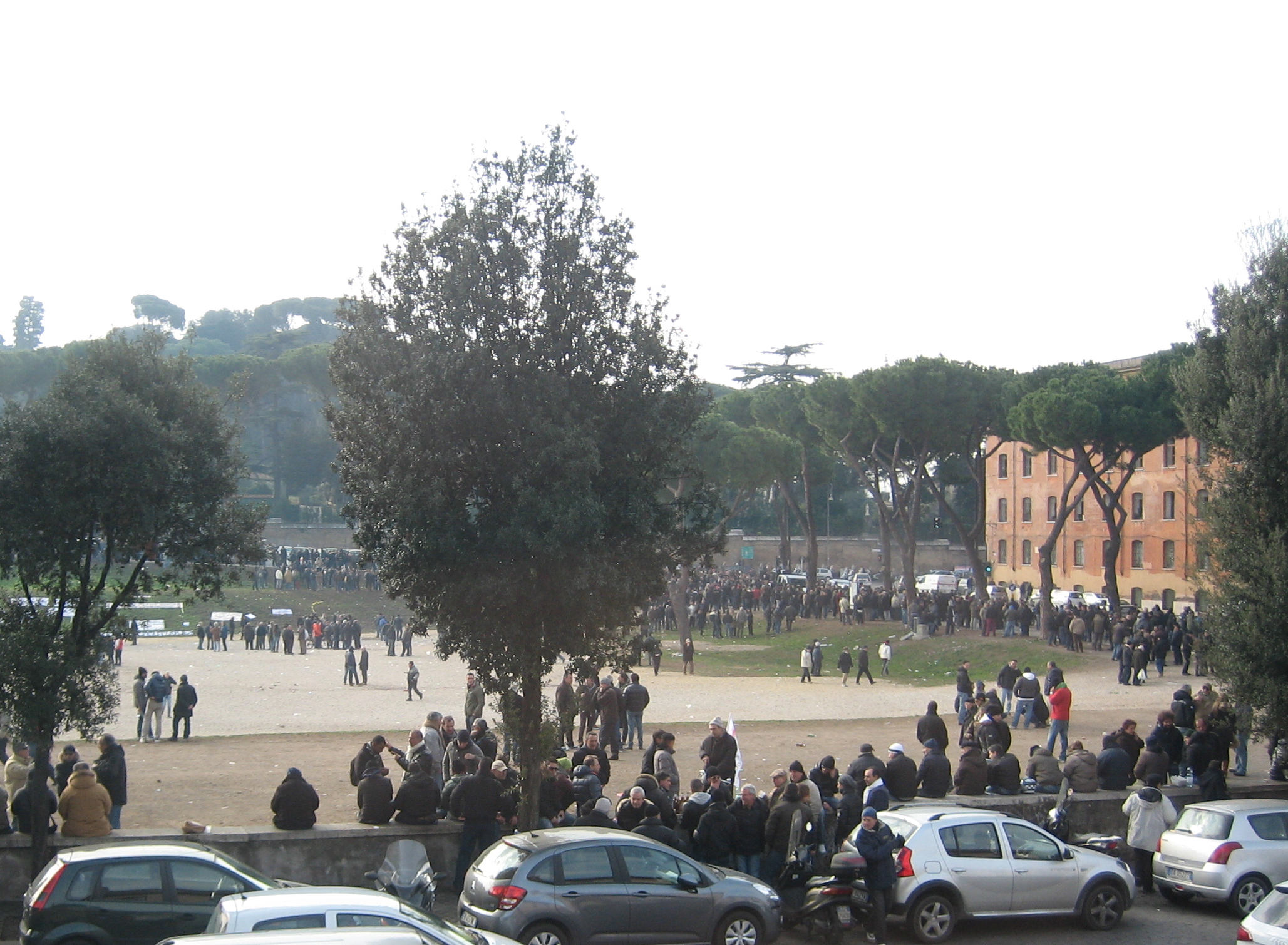
Taxi drivers gather to protest at Circus Maximus, Rome
Taxi drivers in Rome are protesting the threat of “liberalization” which would introduce competition to a sector which has traditionally been highly monopolized in Italy. It’s complicated because drivers have paid hefty fees for their right to drive cabs; for them it is a career choice and it would be unfair to open the floodgates to newcomers without finding a solution that protects their investment in both time and money.
That said, wouldn’t it behoove the taxi drivers to better tailor their public image as “public” transportation? As I write hundreds of cabbies are gathered outside my studio window on Circus Maximus, their cars blocking pedestrians, the litter they left yesterday still strewed across the archaeological park, frequent explosions shaking buildings as they light cherry bombs and worse. How many times have I had to listen to cab drivers expletives, often apologies for violent right-wing policies, while just trying to get across town? How many times have I listened to the complaints of tourists who have been swindled by cabbies, everywhere but especially in Rome? How many times have I watched as taxis ignore traffic regulations, putting tourists and residents alike at risk? It doesn’t make me want to use taxis except as a last resort.
The best way for taxi drivers to improve their lot would be to increase their ridership, which means increasing customer satisfaction. Perhaps lowering, not raising, prices might help? Increasing the number of cabs would too, benefiting all drivers. If people knew they could count on finding a cab they would use cabs more frequently, which would mean less private cars on the street, faster service, greater customer satisfaction. Better service would increase tips as well, as would weeding out the rotten apples that rip off tourists and tarnish the image of Roman cabbies for everyone. Why is it that cabs in New York are cheaper and so much more ubiquitous, but cabbies make more money?
Cab drivers should also be at the forefront of the activism to reduce private automotive use in Rome, to create and enforce more pedestrian zones, It’s common sense, not politics.
Blackout

Auguri
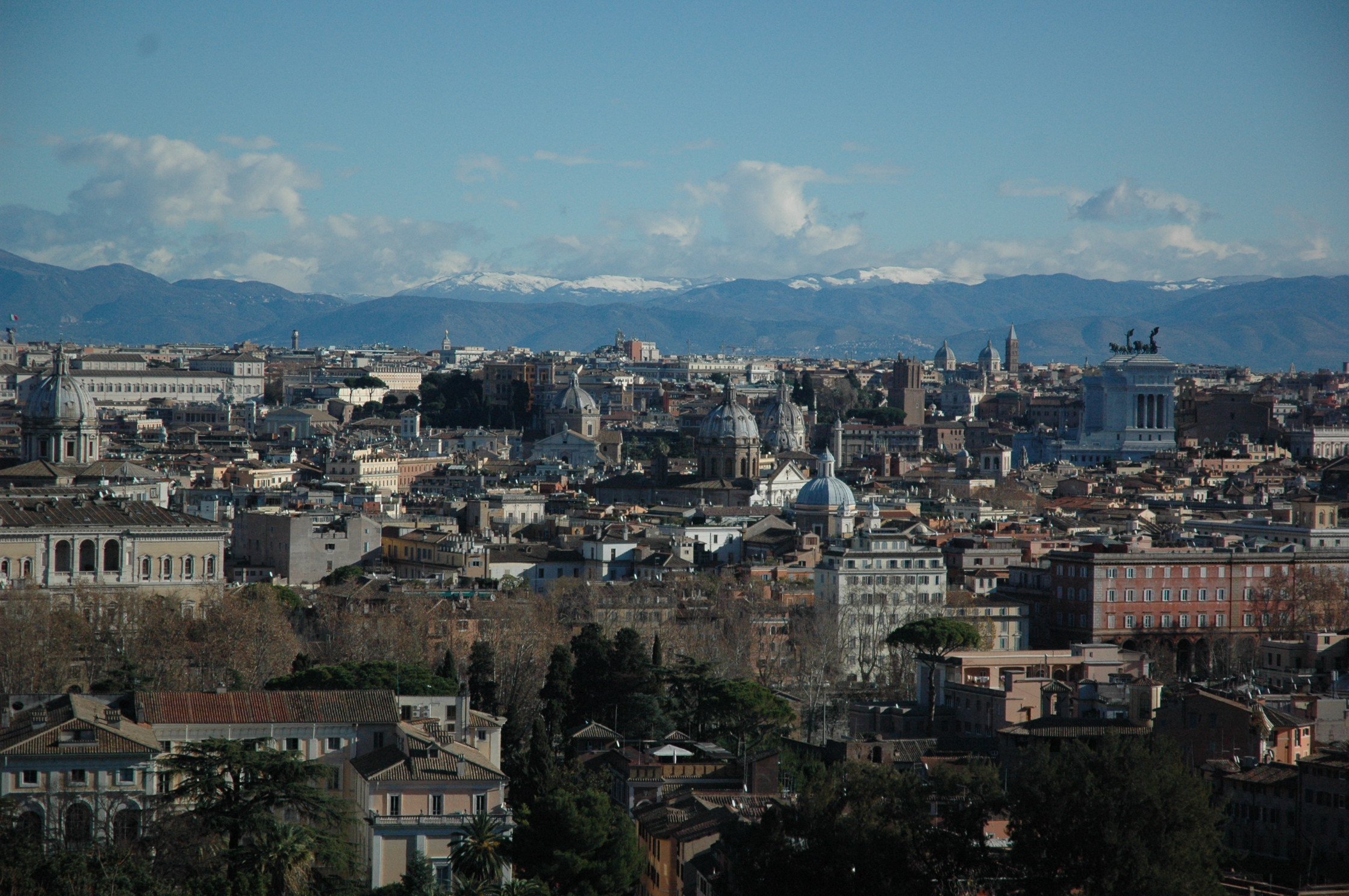
Rome, Christmas Day, 2011.
Ending the year on an optimistic note.
On a crisp and clear day I look across Rome from the Gianicolo and see a city to love and respect, a city that deserves more from its residents, visitors and (above all) administrators. Rome’s problems, like those of Italy, Europe, and the planet, must be solved with intelligence and hard work. No alibis, no excuses, no choice.
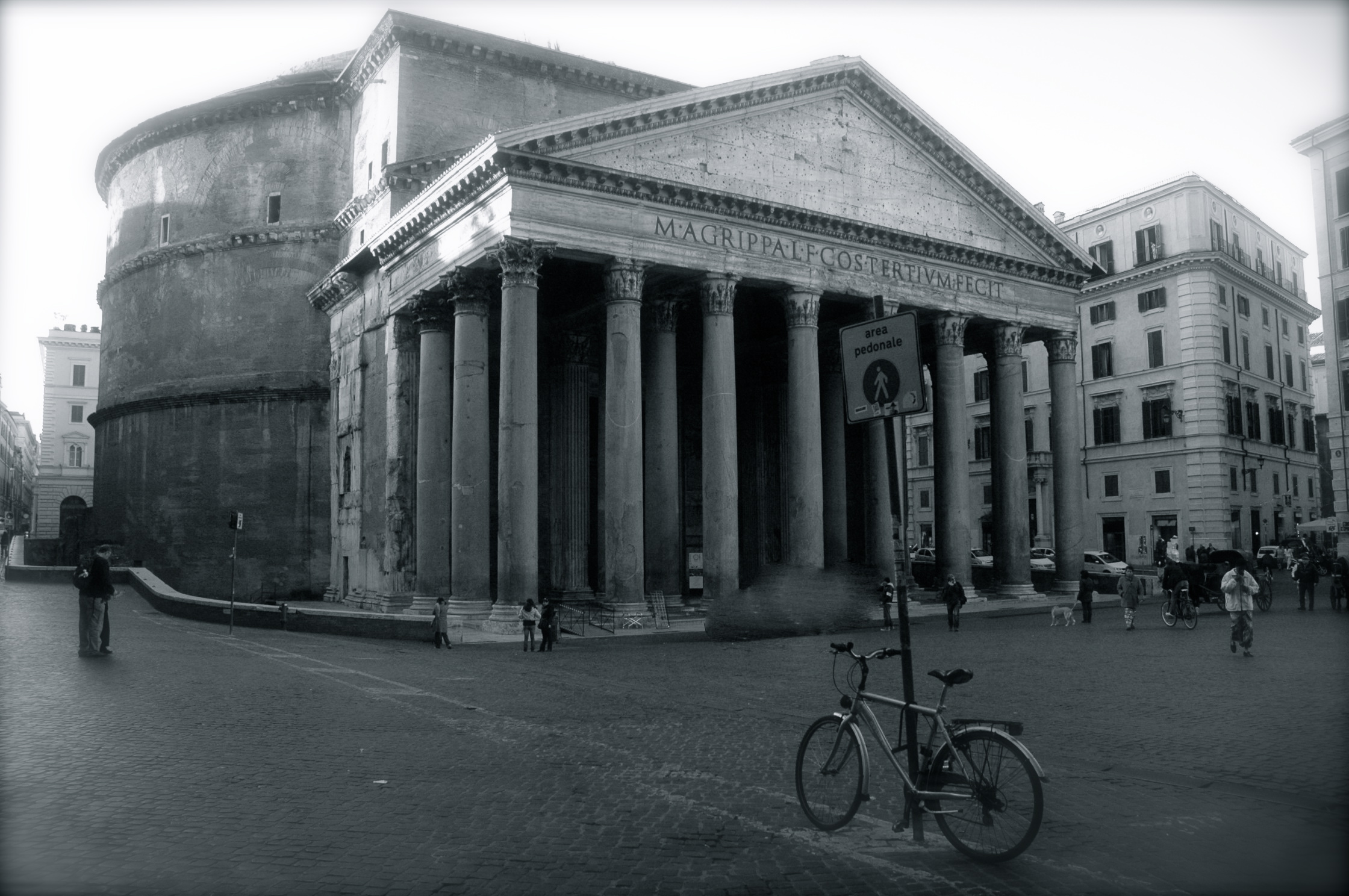
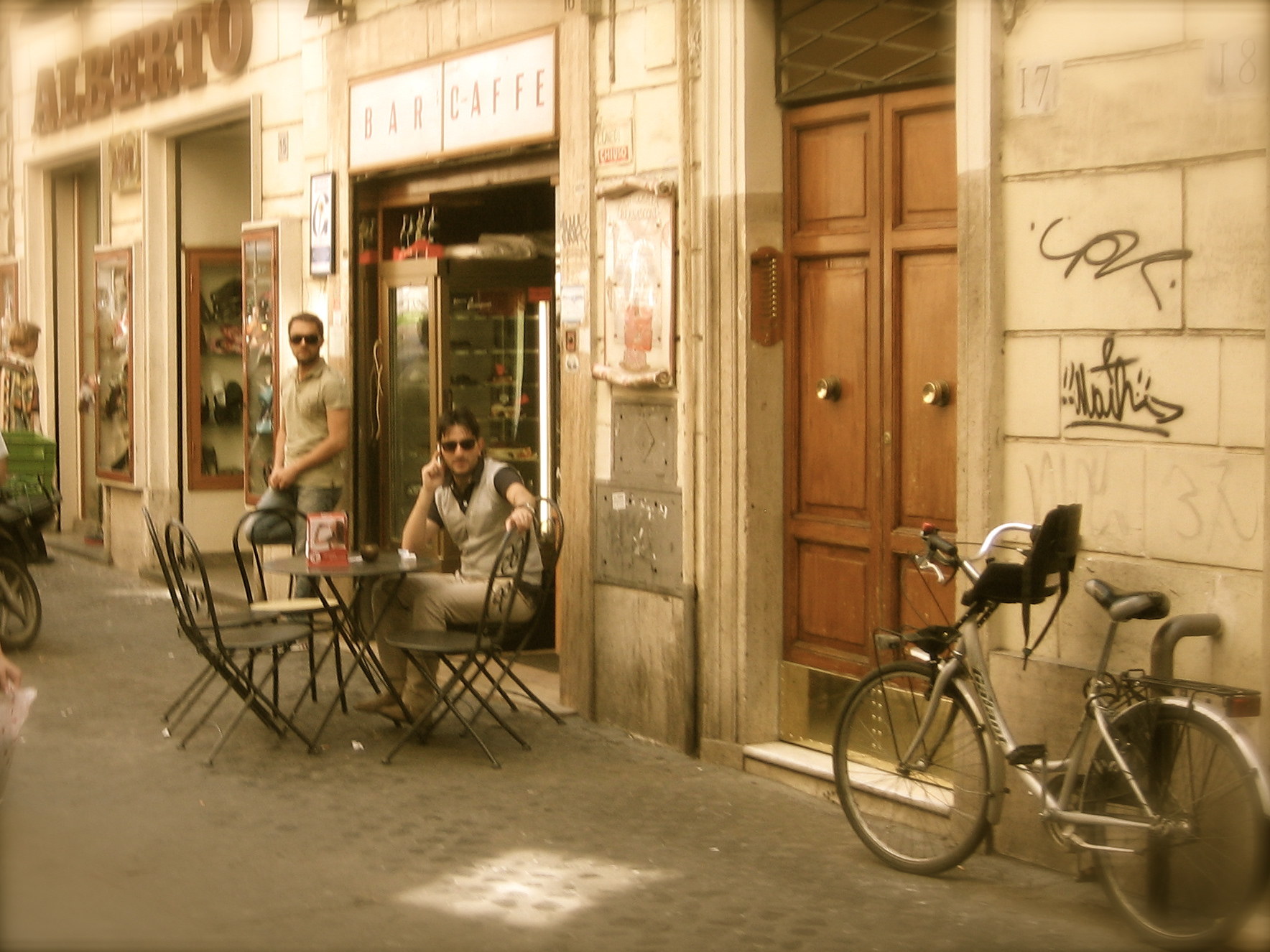
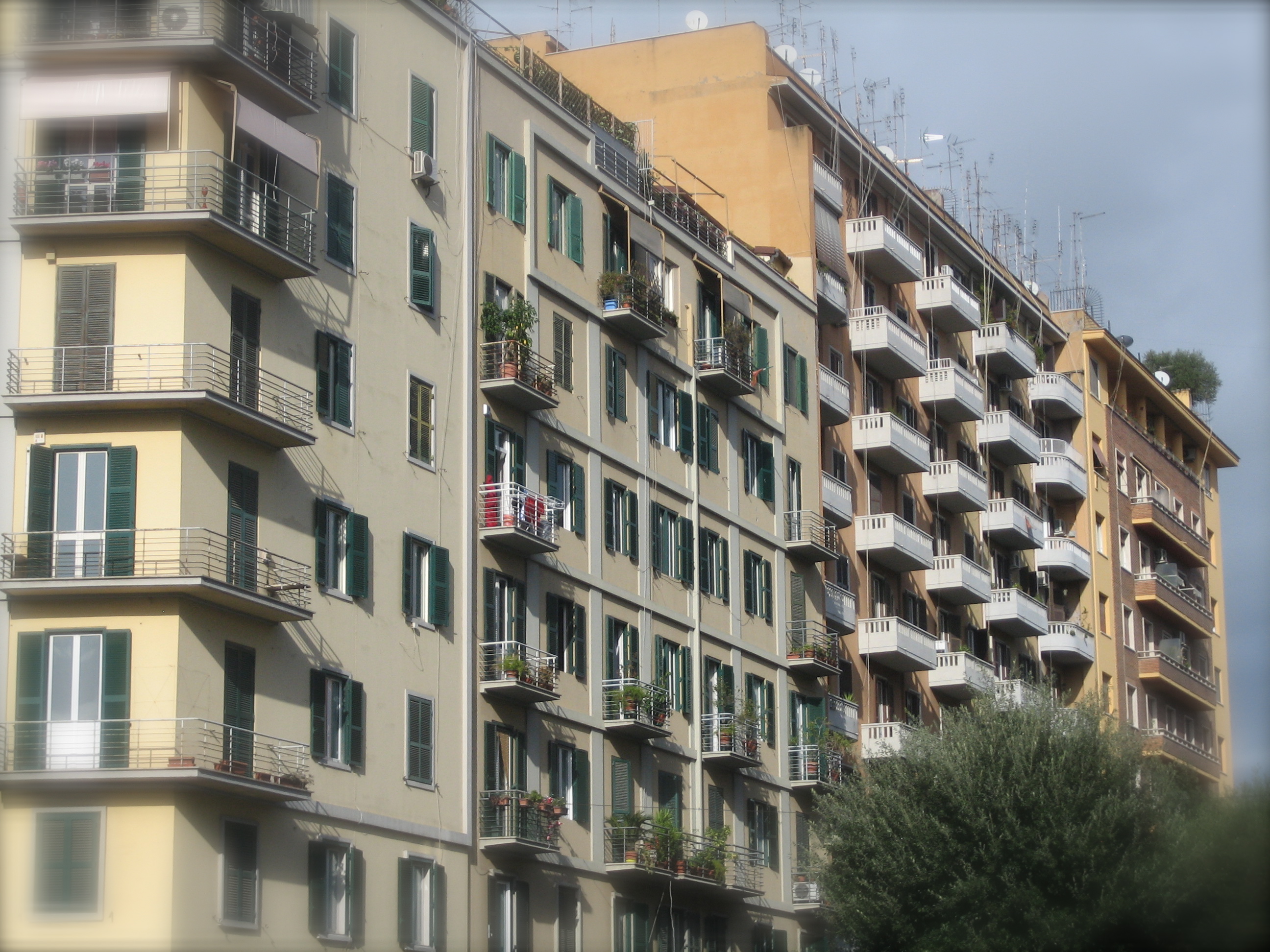
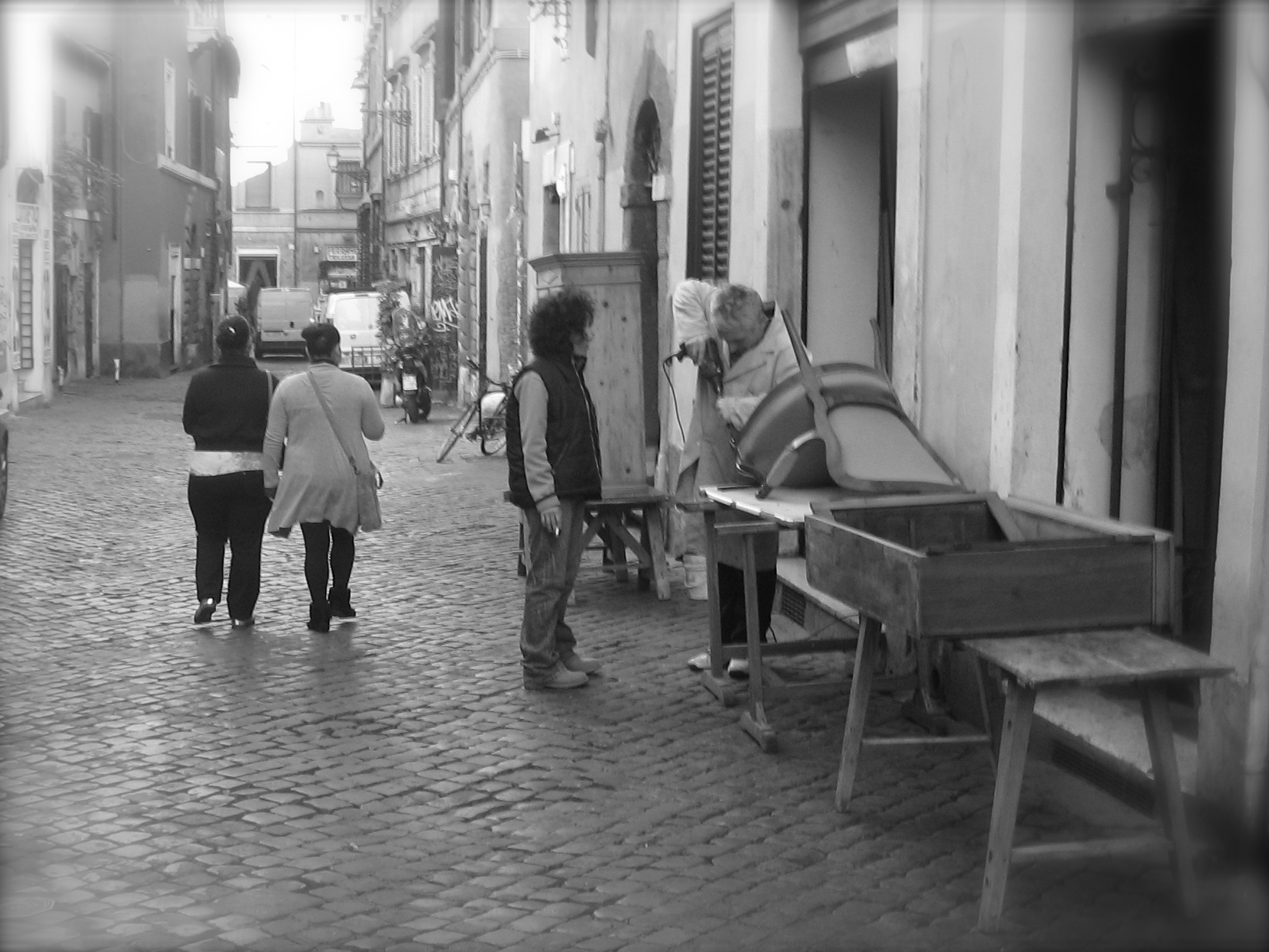
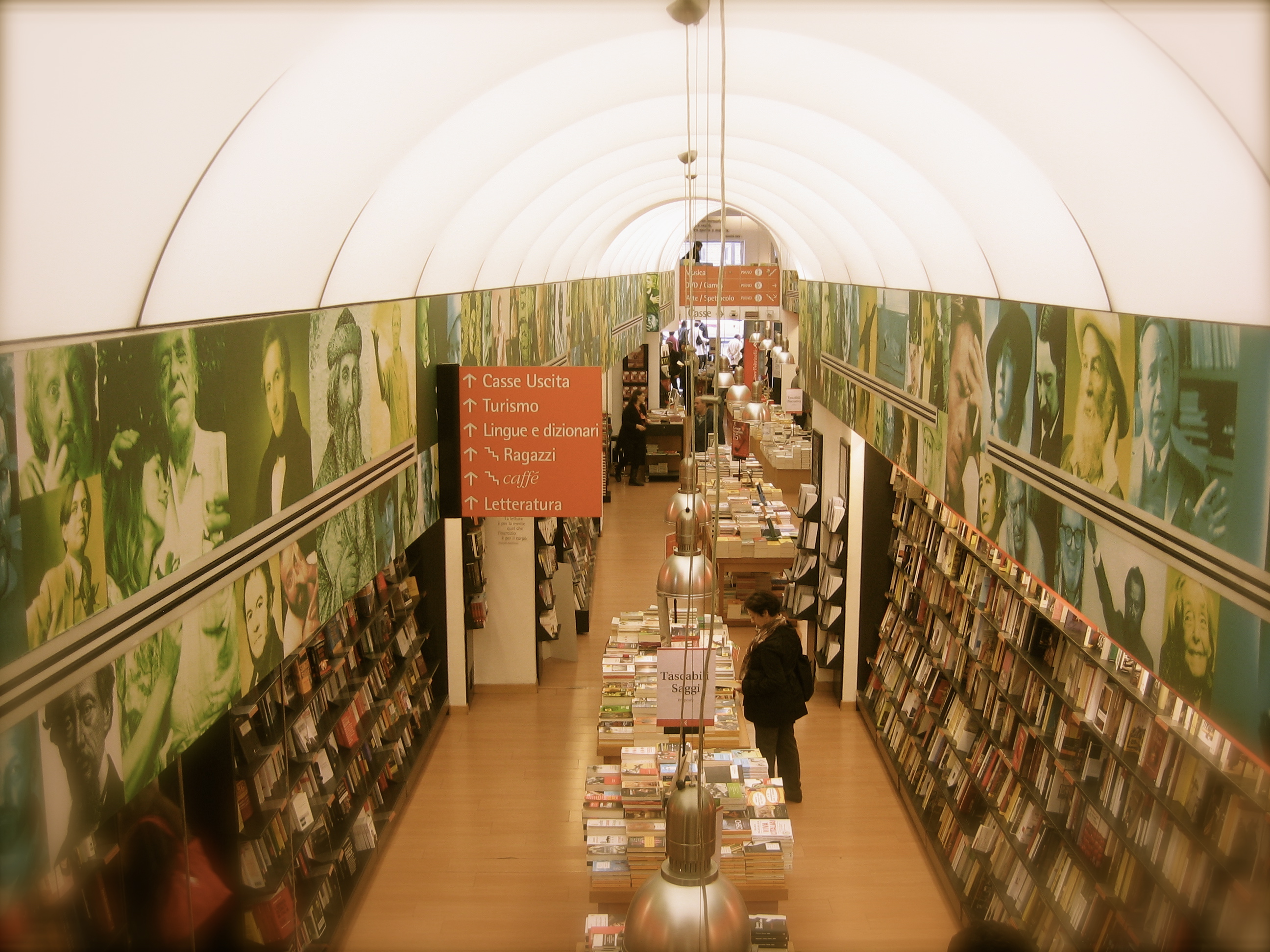
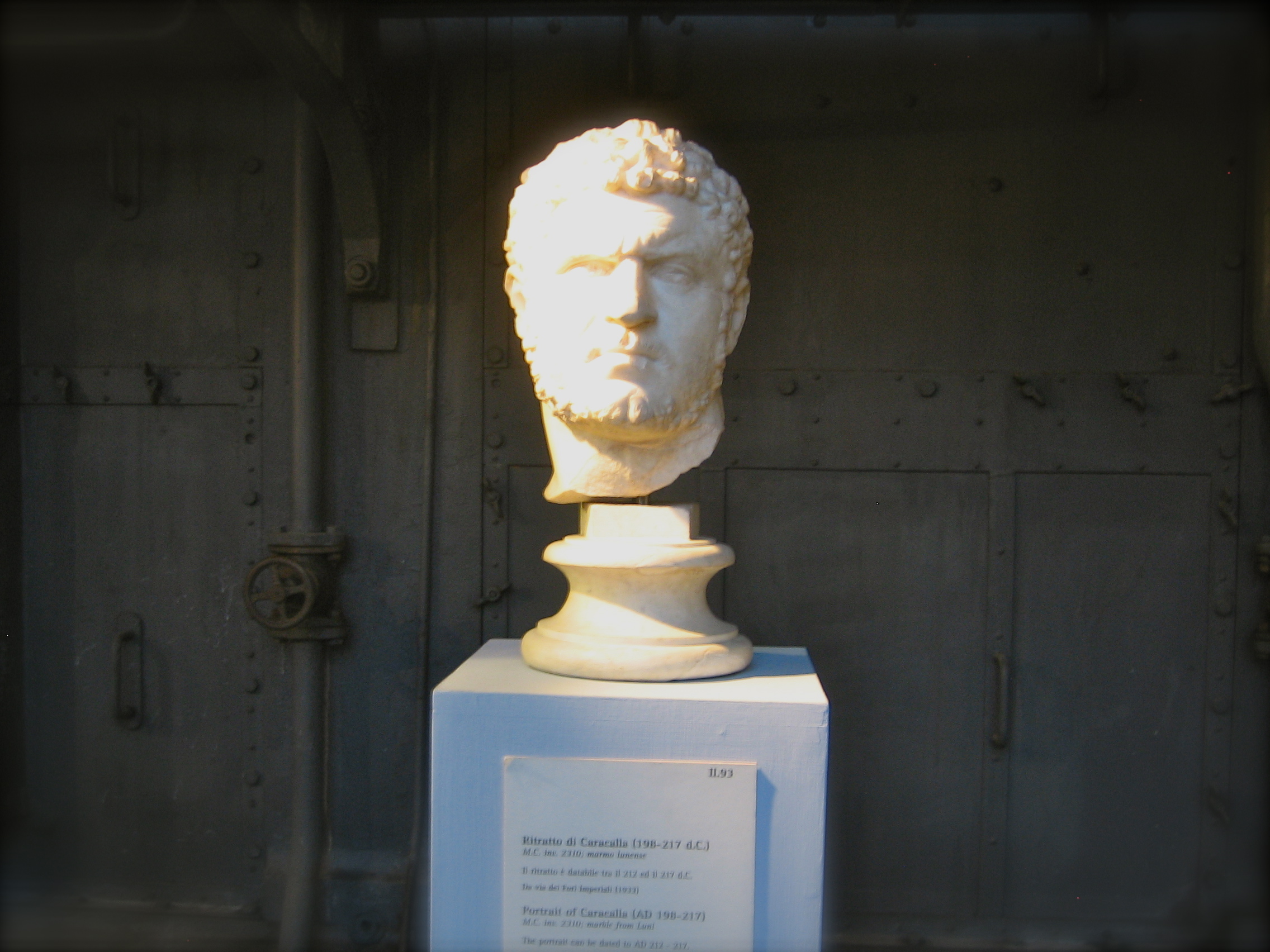
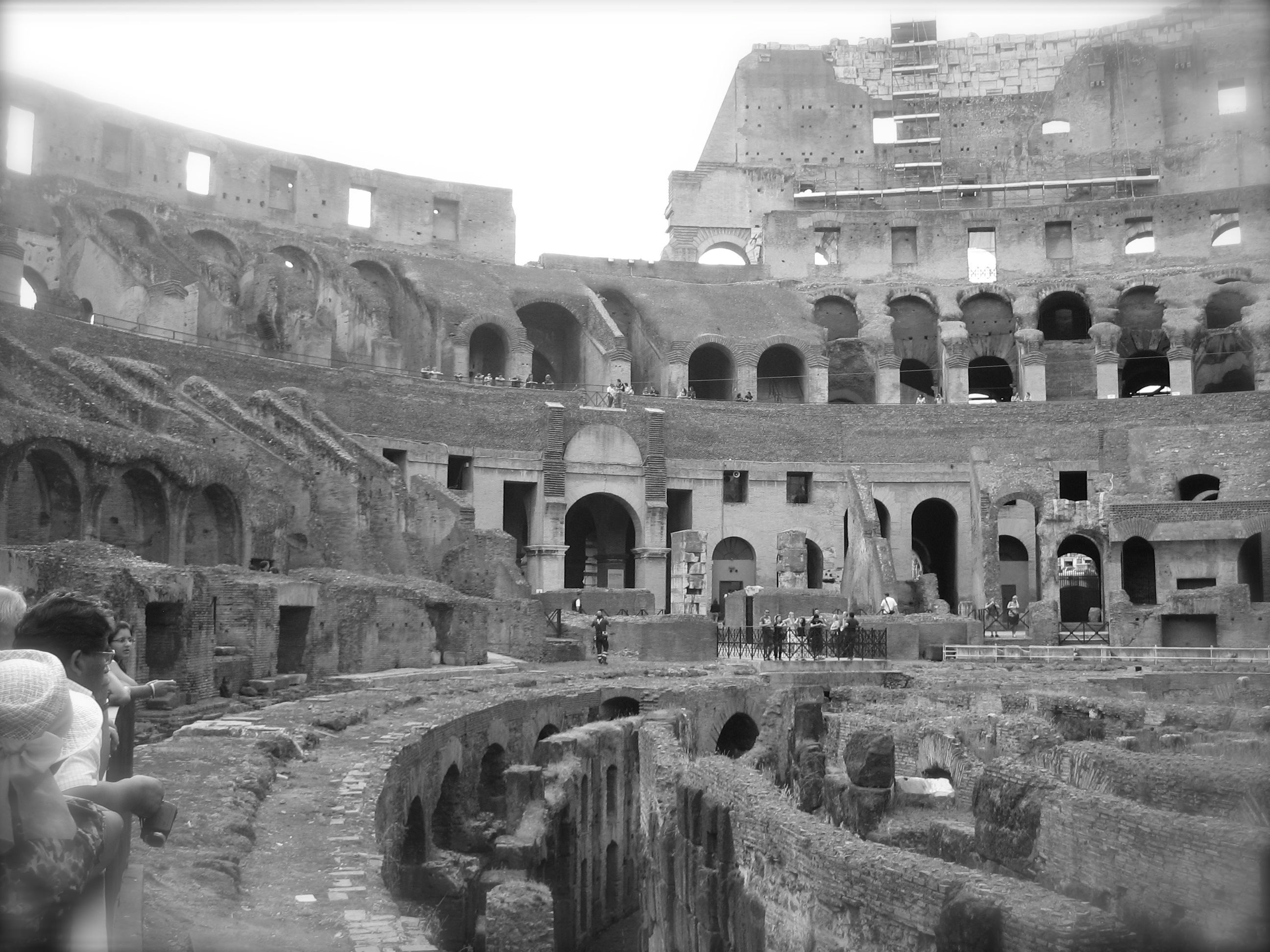
The photos below, taken in and around Rome during 2011 remind me of what is great about this place. Roma, Caput Mundi, Citta’ Aperta, Citta’ Eterna, 2012.



Back to the glorious mess that is Rome
 Back in Rome after some months in a smaller city on the coast and even smaller towns in the mountains, and a couple of trips to big European cities Paris and Amsterdam to see how things are done differently (well, better), I’ve spent my first day back getting re-acclimated to Rome, the real city (traversing it and using it in the course of my first day back) and the virtual city (reading various blogs and newsletters by activist groups).
I’m struck by the multitude of complaints, most of them valid but resulting in the classic battle of good vs. perfect. My barber complains about the homeless sleeping on benches and leaving a mess behind, but cares less about the scooters parked on the sidewalk (including, I presume, his own). There are blogs ranting about graffiti, blogs complaining about illegal billboards, blogs complaining about potholes and blogs whining about inefficient public transit. Letters to the editor complain of countless real problems but often end up bickering amongst themselves, claiming that their pet peeve is worse. I’m especially interested in the blogging battles between the NO-PUPs and PRO-PUPs (“pup”, pronounced “poop”, has nothing to do with dogs or their droppings but stands for Urban Parking Plans). They are both against the presence of illegally parked cars that plague the streets of Rome, but disagree vehemently on whether putting cars underground will solve the problem or simply act as a magnet for more traffic in the city center (as is documented in scientific studies, but there I go taking sides). See, I’m guilty of the same prejudice, more irate about the offenses of the privileged who should know better, the multinational scofflaws, than the casual tagger.
But really, we’re all fighting the same battle to make cities better places for people. So I thought it useful to list the problems facing Rome and try to prioritize them in my own terms with the goal of putting them in perspective. Here’s what I’ve come up with in the order they come to mind, and then in my order of priority. Notice I haven’t included problems like corruption, unemployment or the stagnant economy which are not just urban problems, preferring to focus on the tangible problems facing city-dwellers and visitors on a day-to-day basis. I’ve also listed as separate problems phenomena that are clearly interconnected, such as excess vehicles and danger to people.
What are the problems facing Rome and how do we prioritize them? Here’s my random list:
- Danger and hostility to people (pedestrians, especially children, elderly, cyclists)
- Noise Pollution (primarily from motor vehicles)
- Air Pollution (primarily from motor vehicles)
- Visual Pollution (including illegal signs, graffiti, litter, cars, tv aerials, a.c. units, illegal building additions and constructions)
- Slow mobility for people: congestion on streets, often caused by illegal parking, illegal occupation of public space by merchants.
- Congestion and poor management of public transit
- Excess private vehicles and shortage of parking
- Poor drainage leading to flooding and surface erosion
- Reduction of green space effecting microclimate
- Bureaucracy, causing solution of problems to require excess mobility
And here’s my attempt at prioritizing them (without the detail so see those above)
- Danger and hostility to people
- Congestion and poor management of public transit
- Air Pollution
- Reduction of green space effecting microclimate
- Poor drainage
- Noise Pollution
- Excess private vehicles and shortage of parking
- Slow mobility for people
- Visual Pollution
- Bureaucracy
And some rationalization for the order: the first problem is one that affect the health and very survival of people (Italy has one of the highest traffic mortality rates in the world, with a traffic-related death almost every hour on average). The second is integrally tied to the first. Many of the top problems in my list further intensify the negative experience of the citizen on foot, encouraging more private auto use. I include the problems of illegal merchants, graffiti, etc. as they are clearly unacceptable, but they don’t make it to the top of my list as the most urgent since graffiti rarely kills people the way automobiles do and as a pedestrian I can more easily bypass the illegal gadget seller than I can a double-parked car. But they’re all problems and if someone wants to campaign to fight anything which mars the city, even cigarette butts between cobblestones, more power to them.
 SUSTAINABLE ROME